U.S. envoy says “difficult decisions” lie ahead, as the Kremlin disputes European participation and Kyiv says North Korea is supplying Moscow with more missiles.
Progress is being made towards an agreement to end the war in Ukraine, but important challenges remain, U.S. envoy Jared Kushner said on Monday.
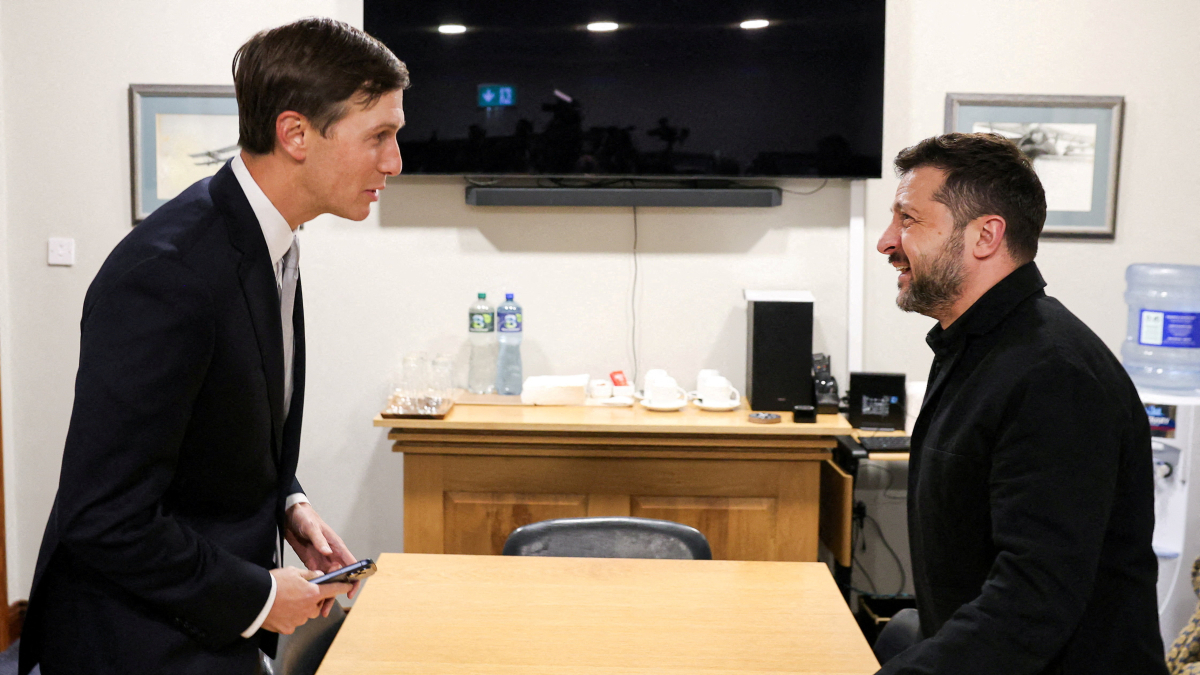
In a post on X, Kushner, President Donald Trump’s son-in-law and adviser, said he and fellow U.S. negotiator Steve Witkoff had spoken with Kremlin aide Yuri Ushakov earlier in the day to discuss the progress made and the next steps.
He said they had also held a productive call with Ukraine and European partners, including the national security advisers of Germany, France, the United Kingdom, Poland and Italy, as well as representatives of the EU and NATO.
“We are making progress, in close coordination with Russia, Ukraine, and Europe, toward an outcome that can end this war, strengthen European security, and create the foundations for lasting peace,” Kushner wrote.
“Important challenges remain, and a final agreement will require difficult decisions.”
He said Trump was “determined to achieve a lasting peace”.
Preparing the next round
Kushner said the envoys had begun preparing the agenda for the next multilateral meeting, which they are working to convene soon.
A central focus of the discussions, he wrote, was “How do we end this horrible war and create post-war security arrangements that make future wars less likely?”
He said that over the past year the talks had made strong progress on key pillars, including “strong, credible security guarantees” to protect Ukraine against future aggression, a path towards European Union membership, and a comprehensive post-war prosperity plan.
That plan, developed with European partners, the World Bank and others, is intended to support Ukraine’s financial stability, reconstruction, investment and long-term economic growth.
Kushner said that when he and Witkoff began their work a year ago, they defined success as a Ukraine that is “a sovereign, secure, and prosperous country, free to determine its own future”.
Any final peace agreement would need to be accepted by both Russia and Ukraine, he said, adding that NATO would remain a critical pillar of European security. The aim, he wrote, was to build on Europe’s existing institutions and agreements by strengthening security commitments, communication, transparency and mechanisms for de-escalation.
While public debate focuses on the differences between the two sides, Kushner said, “positive and constructive ideas” were emerging in serious discussions away from the public spotlight, helping to narrow the remaining gaps.
Russian, Ukrainian and U.S. officials held talks in Abu Dhabi last week, the first in nine months. Kushner and Witkoff then met Russian President Vladimir Putin in Moscow and said afterwards that Europe would take part in the next round.
On Monday, however, Ushakov said Russia had not yet agreed to European representatives joining the next round of talks.
Kushner said the U.S. envoys had discussed how to facilitate direct engagement between Europe and Russia, which he said had been “largely absent over the past four years”.
“It is important that both sides hear each other’s concerns and proposals directly as we work toward a more stable and secure future for Europe,” he wrote.
Zelenskyy: new strikes expected
Ukrainian President Volodymyr Zelenskyy said in his nightly video address that Ukraine had held new online talks with Witkoff, Kushner and European representatives on the prospects for ending the war.
He also said Ukrainian intelligence showed Russia was planning major strikes on Ukrainian targets on Monday evening, overnight and on Tuesday.
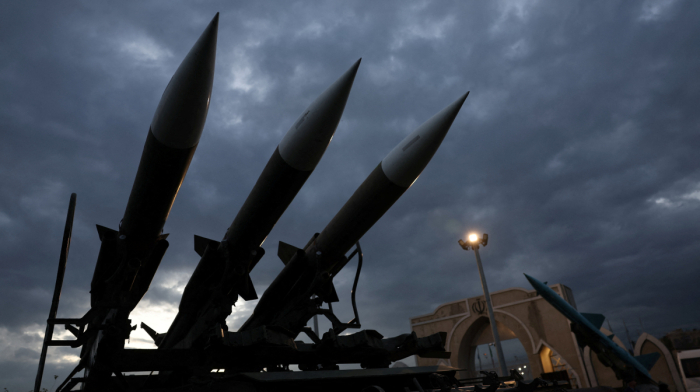
Zelenskyy said intelligence also showed that North Korea was supplying Russia with more ballistic missiles and improving its weaponry.
Neither claim could be independently verified.
Read more:












What is your opinion on this topic?
Leave the first comment