China, South Korea, Australia and the UN meet Southeast Asian leaders, South China Sea code talks enter a “final phase”, and Trump is due on Tuesday for a Quad summit.
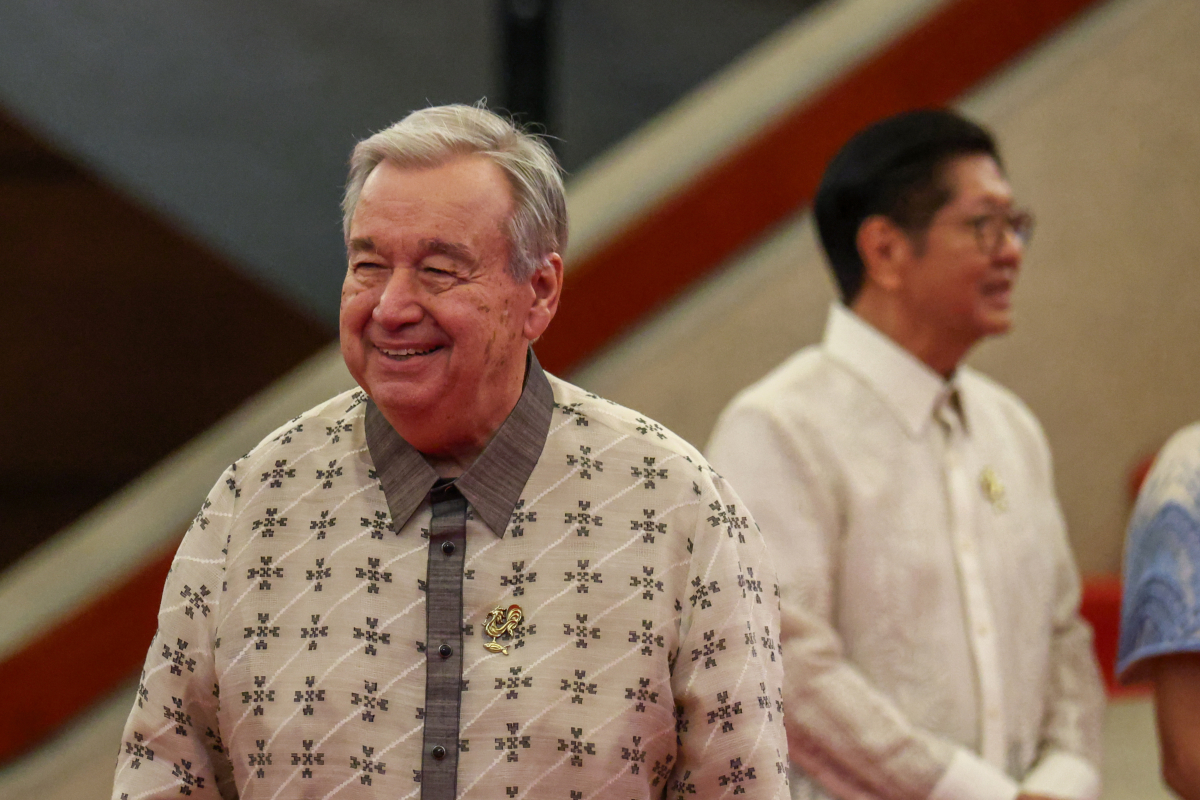
UN Secretary-General António Guterres opened the diplomatic week in Manila by urging the leaders of the U.S., Russia and China to commit to “meaningful denuclearisation”. Southeast Asian leaders, meanwhile, used the first day of their summit to deepen ties with major partners amid global uncertainty.
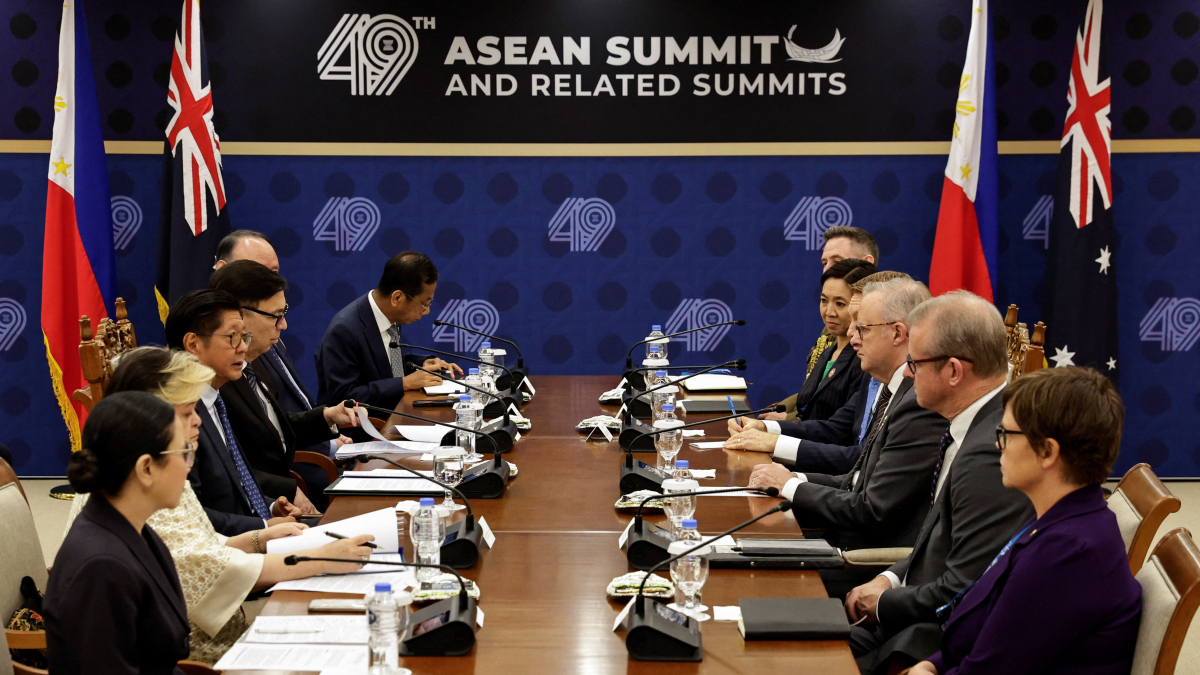
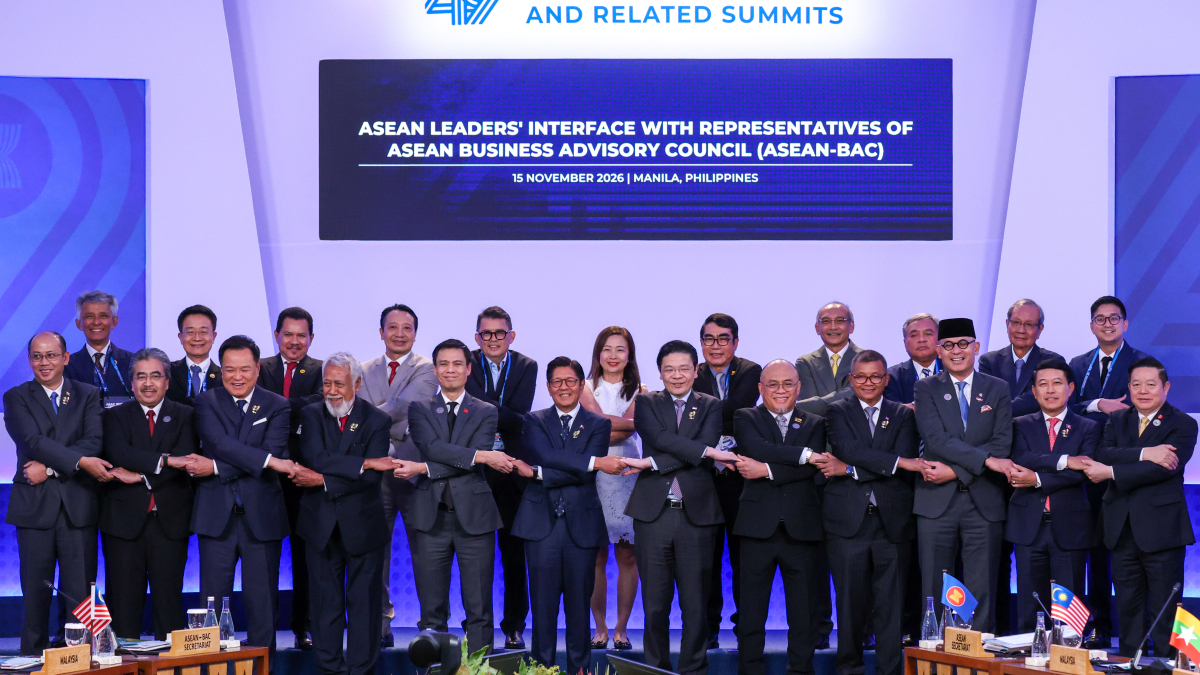
Leaders of the 11-member Association of Southeast Asian Nations (ASEAN) are meeting in the Philippine capital for their 49th summit and a series of meetings with partner countries. The Philippines is chairing the bloc this year.
Guterres: Denuclearisation would be a “greater achievement”
U.S. President Donald Trump, Chinese President Xi Jinping and Russian President Vladimir Putin are due to meet on Thursday in the Chinese city of Shenzhen, on the sidelines of the Asia-Pacific Economic Cooperation (APEC) summit. White House Assistant Press Secretary Olivia Wales said the leaders were expected to discuss nuclear arms reduction.
“We believe that we cannot be completely safe without a world where nuclear weapons are completely eliminated,” Guterres said. The UN was ready to support any denuclearisation initiative, he added, but warned that success was “not yet guaranteed”.
Guterres said global problems could not be solved by any single country, and that multilateral cooperation was more necessary than ever. Institutions including the UN Security Council were created in the conditions of 1945, he said, and should be reformed to reflect today’s world.
Conflicts and the Iran standoff
Guterres called for an end to conflicts in Gaza, Yemen, Ukraine and Sudan, which he said were causing immense human suffering.
On Ukraine, he said: “To be honest, it’s difficult to be optimistic,” adding that the UN’s goal was an immediate and unconditional ceasefire.
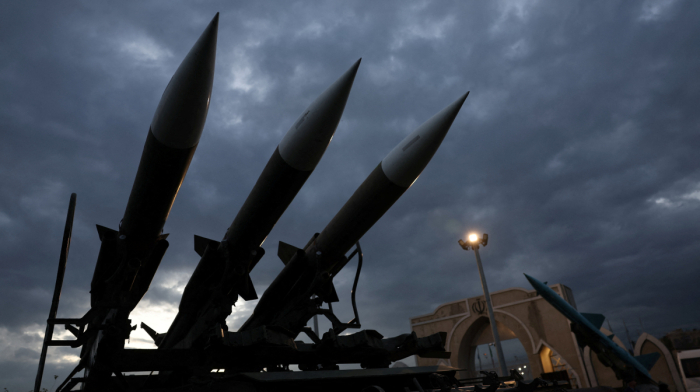
He described the current tension between Iran and the U.S. as “neither peace nor war” and called for a serious diplomatic process to end it. The standoff, he said, was having devastating effects on the global economy, including high fuel prices and difficult access to fertilisers.
Guterres also highlighted what he called the unacceptable scale of the humanitarian crisis in Myanmar. He said airstrikes were the main cause of civilian casualties, that more than 16 million people needed humanitarian aid, and that more than 4 million had been internally displaced.
“Violence must end, impunity must end, and humanitarian aid must reach those in need regardless of who controls the region,” he said.
He said the conditions for the safe return of the Rohingya had not yet been created, and that he had personally witnessed the suffering of the more than 1.2 million Rohingya who were forced to flee to Bangladesh.
“The era of fossil fuels is coming to an end”
On climate change, Guterres called for a faster shift from fossil fuels to renewable energy.
“The era of fossil fuels is coming to an end. Today, renewable energy is both cheaper and safer,” he said.
He said the world’s nine largest oil companies had made $95 billion in profit in the first quarter of this year, and accused the fossil fuel industry of using its profits for lobbying and disinformation that make it harder for the public to understand the science.
“I believe political leaders know what is going on, but so far they have lacked the courage to confront these lobbies,” he said.
Guterres urged developed countries to triple their funding for climate adaptation. “Even if we triple it, we will only be able to meet about 30 per cent of the needs,” he said. The amounts in the loss and damage fund, he added, were “ridiculously insufficient compared to the needs”.
He said global temperatures were expected to exceed the 1.5C threshold in the next few years. That overshoot should be kept as small and as brief as possible, he said, with global emissions cut by about 6 per cent a year.
South China Sea: no new deadline
At the ASEAN-China summit, neither side set a new deadline to conclude negotiations on a Code of Conduct for the disputed South China Sea, Malaysian Prime Minister Anwar Ibrahim said, according to Malaysia’s state news agency Bernama.
“Malaysia remains committed to the Code of Conduct in the South China Sea to ensure regional security and stability,” Anwar told the summit.
The Philippine Department of Foreign Affairs said on Sunday that the parties had reached “substantial completion” of the negotiations, with provisional agreement on more than 80 per cent of the paragraphs in the draft code.
“The negotiations now enter their final phase,” the department said, crediting the co-chairs of the working group, Malaysia and China. The parties agreed to keep working towards an “effective and substantive” code that is consistent with international law, including the 1982 UN Convention on the Law of the Sea, it said.
China and several ASEAN members have competing claims in the sea, and relations between Beijing and Manila have soured over maritime tensions.
Courting China
Philippine President Ferdinand Marcos Jr., opening the ASEAN-China session, called on both sides to find common ground and pursue concrete cooperation in the face of global uncertainty, the Philippine Star reported. He said cooperation had grown since China became a dialogue partner of ASEAN in 1996.
Singapore’s Prime Minister Lawrence Wong said China was one of the most digitally advanced countries, giving it great potential to boost digital connectivity with ASEAN, according to CNA. He described China as a “pioneer” in applying artificial intelligence and called for closer cooperation.
ASEAN countries also signed a memorandum of understanding to increase regional energy cooperation and electricity trade, aiming to improve connections between national grids and gradually expand cross-border electricity trading.
South Korea targets $300 billion in trade
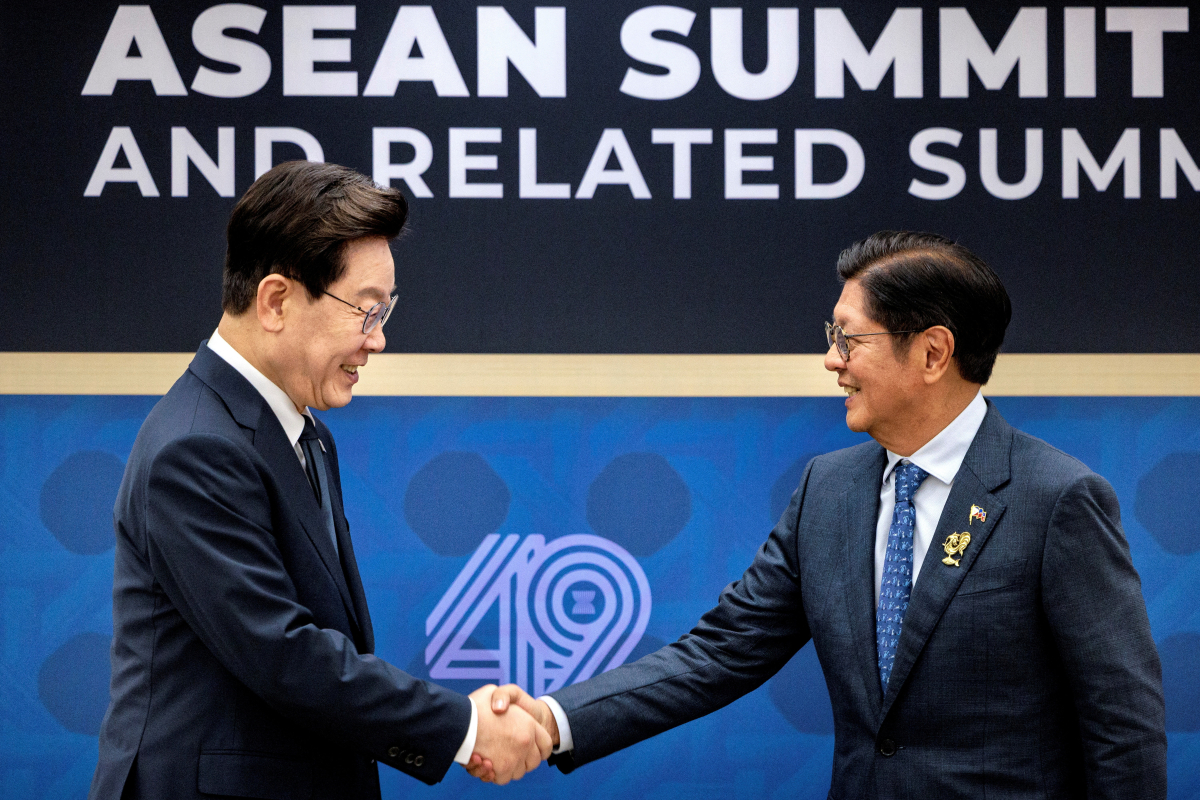
At the 27th ASEAN-South Korea summit, President Lee Jae Myung expressed Seoul’s “firm support” for ASEAN’s central role in the region, describing the bloc as a regional “linchpin” at a time of growing uncertainty.
He said negotiations to upgrade the ASEAN-South Korea free trade agreement had begun, and that Seoul aimed to raise annual trade to $300 billion. He proposed two new initiatives, the ASEAN-Korea AI Companionship Initiative and the ASEAN-Korea Cultural and Creative Industries Initiative.
Lee said South Korea valued ASEAN’s role as a key partner for lasting peace and stability on the Korean Peninsula.
Marcos said ties remained strong despite strategic uncertainty and rapid technological change. He said cooperation under the 2026–2030 Plan of Action covered maritime security, energy security, AI, health, and vocational education and training.
Australia: “Humans must remain in control of AI”
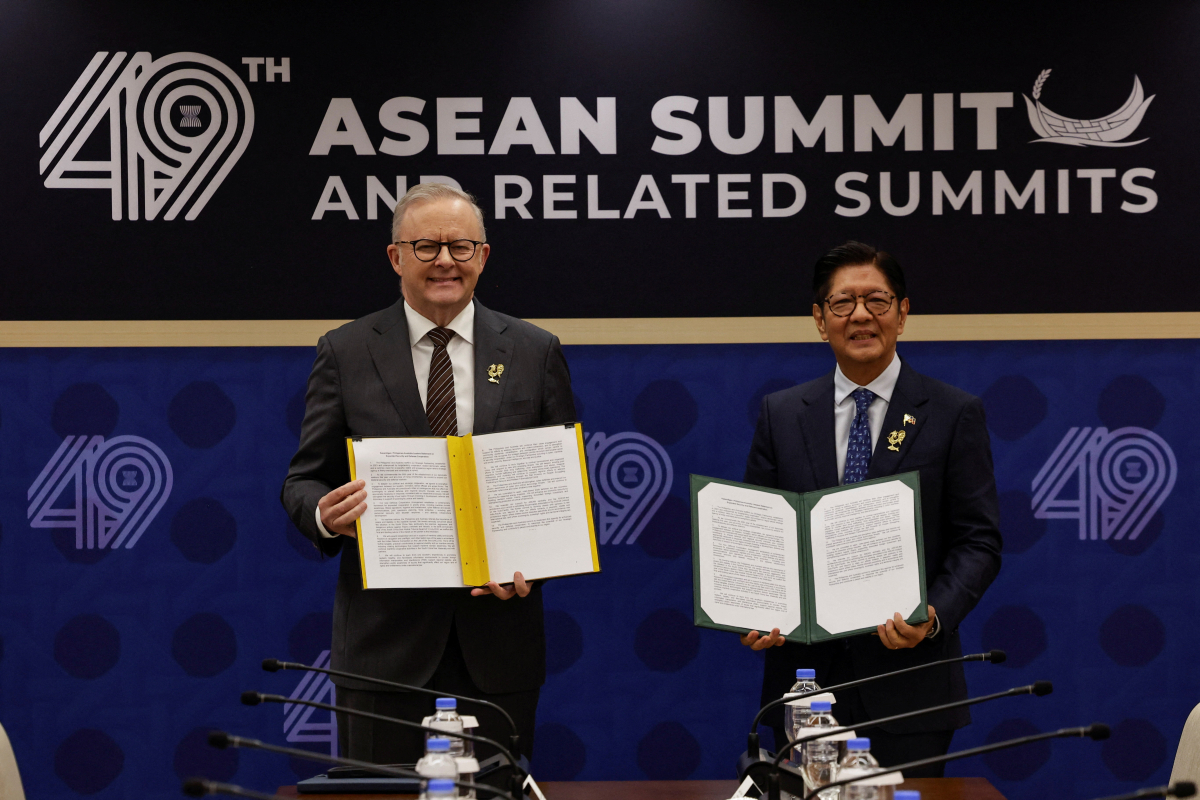
At the ASEAN-Australia summit, which marked five years of the two sides’ comprehensive strategic partnership, Australian Prime Minister Anthony Albanese said his country would deepen cooperation on trade, investment, clean energy, climate resilience, infrastructure, education and maritime security.
“I believe that by working together, we can continue to manage the impact of global conflicts, including the biggest oil and energy shock in world history, especially by investing in the resilience of our shared supply chains,” he said.
He announced a new digital cooperation package to support ASEAN’s digital transformation, including AI safety standards. “Humans must remain in control of AI,” he said.
Marcos said Australia would provide A$15 million for health, disaster management and the protection of migrant workers. He said trade between the two sides reached A$197.5 billion ($129 billion) last year.
The leaders also marked 80 years of diplomatic relations between Australia and the Philippines.
Malaysia’s Anwar on Gaza and UN reform
At the 16th ASEAN-UN summit, Anwar condemned the forced displacement of Palestinians in the occupied West Bank and the worsening humanitarian situation in Gaza.
“Malaysia strongly condemns the ongoing atrocities, forced displacement and starvation inflicted on the Palestinian people,” he wrote on X. He called for an “immediate and permanent” ceasefire, unhindered aid deliveries, protection for aid workers and full UN membership for Palestine.
He said Malaysia appreciated China’s contribution to humanitarian work and reconstruction in Gaza.
Anwar also urged “bolder UN reforms, including abolishing the veto power that has long prevented the UN Security Council from acting fairly and effectively”, and called for the ASEAN-UN Plan of Action 2026–2030 to deliver tangible results.
Japan and India arrive
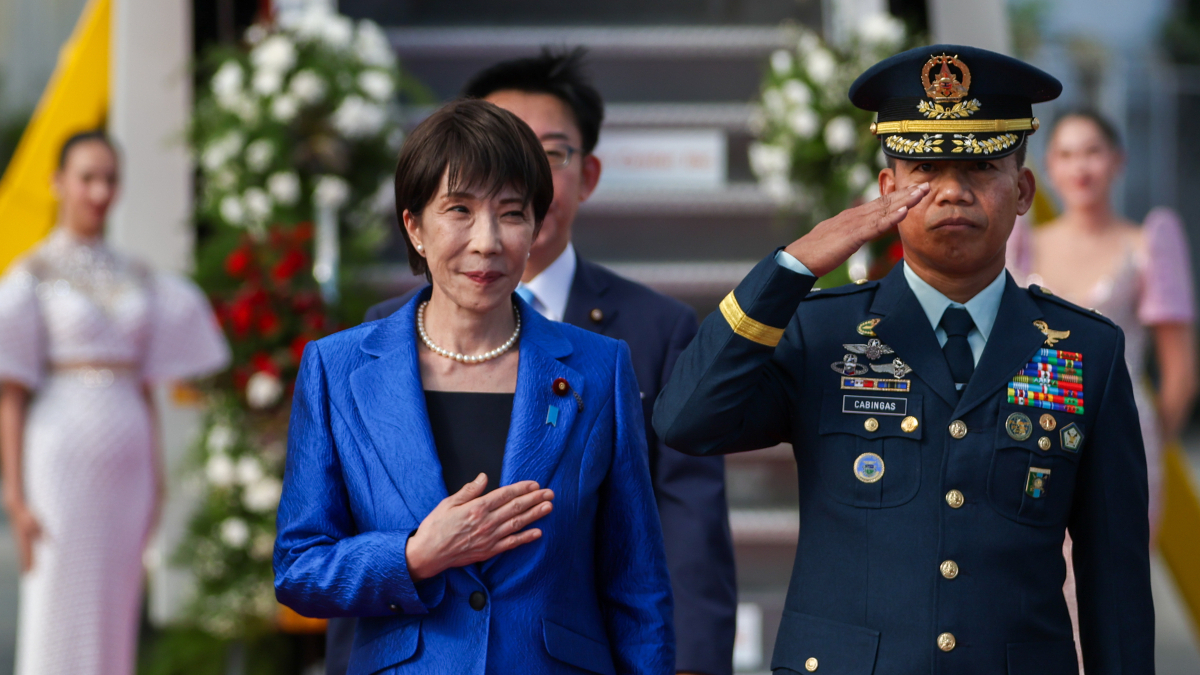
Japanese Prime Minister Sanae Takaichi arrived in Manila and will later travel to China for the APEC summit. Kyodo News reported that she was unlikely to hold formal talks with Xi in Shenzhen. In Manila, she will co-chair the Asia Zero Emission Community, a Japanese-led decarbonisation framework, with the Philippines.
“As the world faces historic changes, I will promote Japan’s efforts to maintain and strengthen a free and open international order based on the rule of law,” Takaichi said before leaving Tokyo.
Indian Prime Minister Narendra Modi left New Delhi for the 23rd ASEAN-India summit and the 21st East Asia Summit. He said relations with ASEAN were “at the heart of India’s Act East Policy”.
Deals on the sidelines
South Korea and the Philippines agreed to expand cooperation in the defence industry, infrastructure, AI, shipbuilding, nuclear power, aviation, space and disaster management. Their trade reached $21.3 billion in the first nine months of this year, already exceeding last year’s total. They signed a grant agreement for Korea International Cooperation Agency (KOICA) projects and a memorandum on science and technology cooperation, including smart agriculture.
South Korea and Thailand agreed to speed up negotiations on a Comprehensive Economic Partnership Agreement and discussed defence, AI and nuclear energy.
The Philippines and Japan agreed to deepen their strategic partnership.
Tuesday: Trump and the Quad
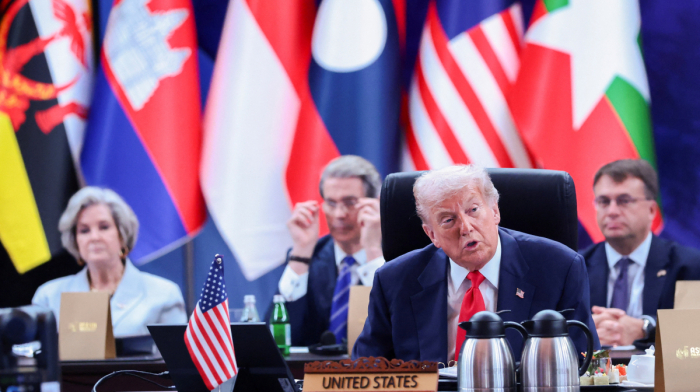
Trump is due to arrive in Manila on Tuesday at 5.30pm local time (09:30 GMT). He will join a summit of the Quadrilateral Security Dialogue, or Quad, at 6.30pm (10:30 GMT), followed by events with ASEAN leaders and the signing of a trade deal with Thailand, according to the White House schedule.
It will be the first Quad leaders’ summit since September 2024. The group, made up of the U.S., Australia, India and Japan, traces its origins to cooperation after the 2004 Indian Ocean tsunami and was formalised in Manila in 2007. Australia will chair it next year.
Before leaving Washington, Trump said he “may” meet North Korean leader Kim Jong Un in China, depending on Kim and Xi. North Korea has not confirmed any meeting. Trump said the Shenzhen talks with Xi and Putin would cover denuclearisation, the Russia-Ukraine war, Iran, and trade.
About ASEAN
Founded in Bangkok in 1967, ASEAN brings together Brunei, Cambodia, East Timor, Indonesia, Laos, Malaysia, Myanmar, the Philippines, Singapore, Thailand and Vietnam. The bloc has a combined GDP of more than $3 trillion and a population of more than 650 million.
Read more:












What is your opinion on this topic?
Leave the first comment