ASEAN and China have failed to finalise a long-delayed code of conduct for the South China Sea, despite reaching provisional agreement on about 80 per cent of the draft, Philippine Foreign Secretary Ma. Theresa Lazaro said on Sunday.
The Philippines had aimed to conclude negotiations during its 2026 chairmanship of the Association of Southeast Asian Nations (ASEAN), but disagreements over key provisions, including whether the code should be legally binding, remain unresolved.
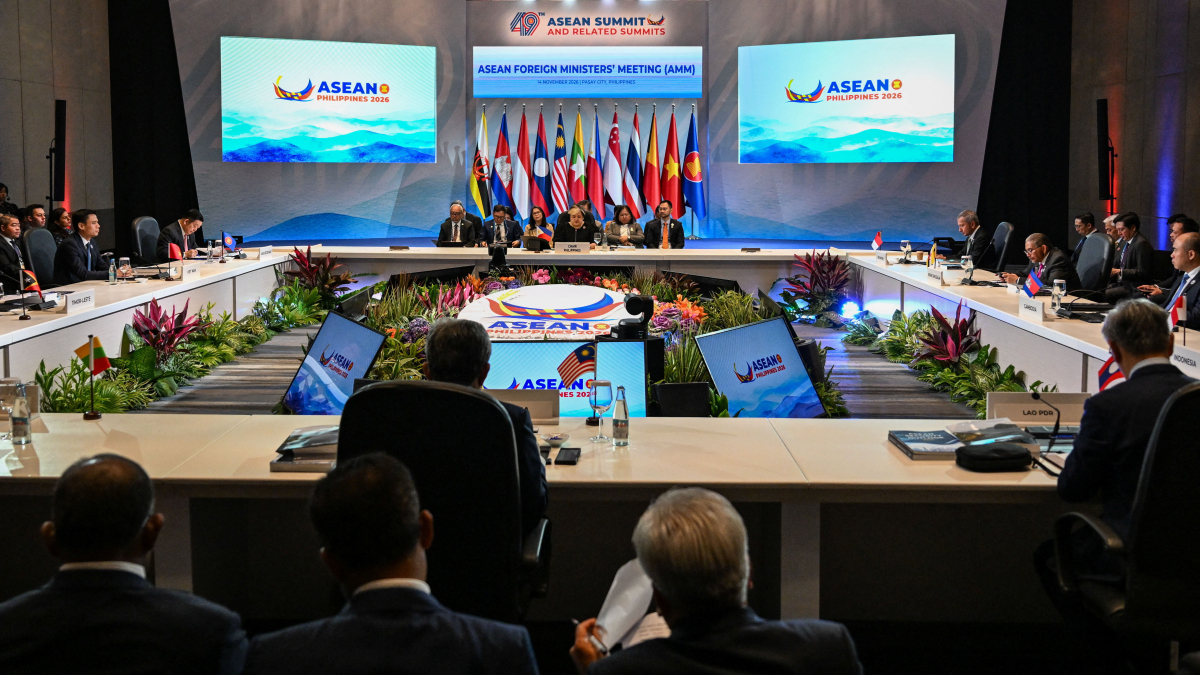
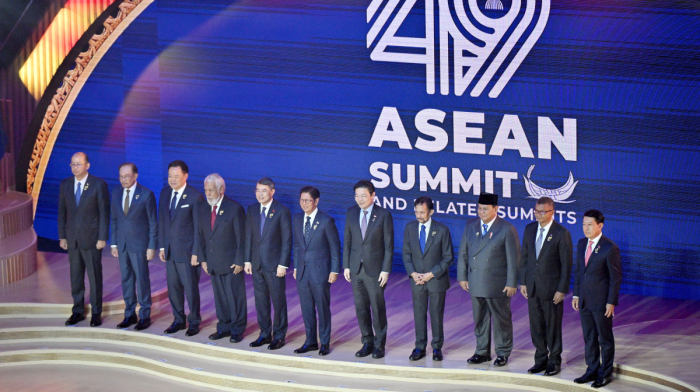
Speaking at the ASEAN summit in Manila on 15 November, Lazaro said the parties had yet to reach a final agreement, highlighting differences between China and the bloc's 11 members over how the disputed waters should be governed.
Two decades of negotiations remain unresolved
ASEAN and China have spent more than 20 years negotiating a code intended to manage maritime disputes, prevent confrontations and reduce the risk of escalation in the South China Sea.
The Philippines had pledged to accelerate the talks and secure an agreement this year.
However, Lazaro confirmed that negotiations remained incomplete.
'There is no conclusion yet,' she told reporters.
She added that ASEAN members and China held differing positions on several issues, including the legal status of the proposed agreement.
Maritime disputes complicate negotiations
China claims sovereignty over nearly all of the South China Sea, overlapping with the exclusive economic zones of Brunei, Indonesia, Malaysia, the Philippines and Vietnam.
Several Southeast Asian governments have called for the code to comply with international law, while accusing Beijing of disregarding established maritime rules.
China maintains that its activities in the disputed waters are lawful and professional.
In 2016, an international arbitration tribunal ruled that China's sweeping maritime claims had no legal basis under international law. Beijing rejects the ruling.
The Philippines and China have also experienced repeated maritime confrontations in recent years.
Manila has accused Chinese vessels of dangerous manoeuvres, using water cannons and obstructing resupply missions within its exclusive economic zone.
Beijing has rejected those accusations and accused Philippine vessels of entering waters it considers Chinese territory.
Divisions within ASEAN also delay progress
Collin Koh, a senior fellow at Singapore's S. Rajaratnam School of International Studies, told Reuters that differences among ASEAN members, including over the geographical scope of the proposed code, have also complicated negotiations.
Koh said resolving the outstanding issues would require significant concessions from the parties involved.
The remaining disputes concern fundamental questions about how the code would operate, where it would apply and whether its provisions would carry legal force.
Singapore to take over negotiations in 2027
Singapore will assume the ASEAN chairmanship in 2027, inheriting responsibility for advancing negotiations with China.
The absence of an agreement under the Philippines' chairmanship leaves unresolved the proposed framework for managing incidents in one of the world's most contested maritime regions.
Neither ASEAN nor China has announced a new deadline for completing the code.
Read more:








What is your opinion on this topic?
Leave the first comment