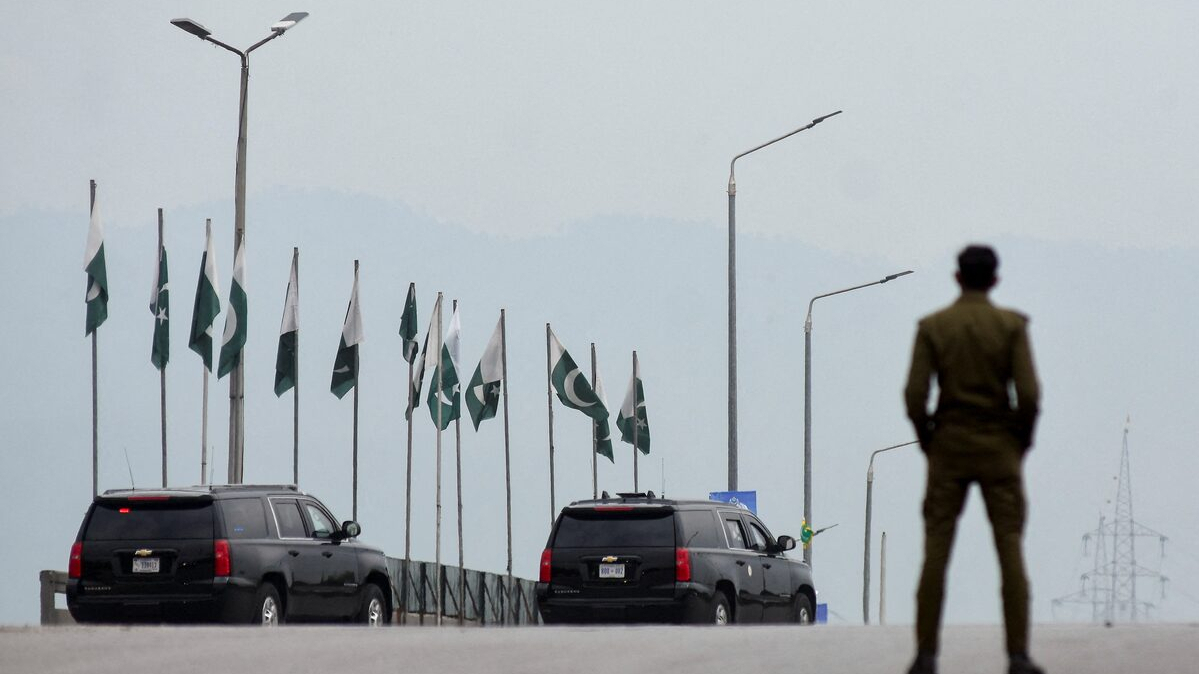
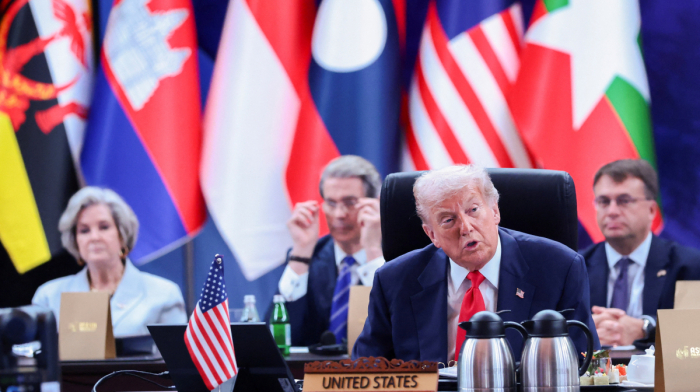
Ministers from nine countries have adopted a 10-year plan to boost regional trade, transport and energy cooperation at a major Economic Cooperation Organisation (ECO) meeting in Pakistan’s capital, Islamabad.
The 30th ECO Council of Ministers meeting concluded on Monday with the adoption of the Islamabad Communiqué and the Strategic Goals of Economic Cooperation 2026–2035. Both documents outline the organisation’s economic priorities for the coming decade.
The ECO is a regional intergovernmental organisation comprising 10 countries across Central, South and West Asia: Afghanistan, Azerbaijan, Iran, Kazakhstan, Kyrgyzstan, Pakistan, Tajikistan, Türkiye, Turkmenistan and Uzbekistan.
Representatives from nine member states attended the two-day meeting, with Afghanistan absent.
Trade and regional connectivity take centre stage
Trade and regional connectivity dominated the agenda, with ministers exploring ways to improve transport and transit routes, ease cross-border trade, attract investment and strengthen regional supply chains. Energy cooperation, digital development and sustainable economic growth were also key areas of discussion.
Pakistan, which holds the organisation’s chairmanship for 2026–2027, has made boosting trade and investment, regional connectivity and human development key priorities.
With access to ports on the Arabian Sea, Pakistan could provide vital trade routes for landlocked Central Asian countries looking to reach global markets.
However, deeper regional economic integration will depend on streamlining border procedures, securing reliable transit arrangements and improving coordination between member states.
Ministers also reviewed progress on the ECO Trade Agreement, designed to make trade within the bloc easier.
Security tensions pose challenges to cooperation
Security concerns emerged as another key issue, with Pakistan’s Deputy Prime Minister and Foreign Minister Ishaq Dar stressing that regional economic cooperation relies on mutual trust and respect for international commitments.
He urged Afghanistan’s authorities to address security concerns raised by neighbouring countries, particularly over terrorism.
Dar added that a peaceful, stable Afghanistan, fully integrated into regional economic networks, could unlock new opportunities for trade, transit and broader cooperation.
His comments come against a backdrop of tensions between Pakistan and Afghanistan, marked by repeated border clashes and disputes over militant activity. Pakistan accuses the Afghan Taliban government of sheltering militant groups, an allegation Kabul denies.
Energy security and climate resilience in focus
Energy security also featured prominently in the talks, with Iran’s Foreign Minister Abbas Araghchi urging member states to establish a reliable regional mechanism to protect energy supplies against geopolitical disruptions.
He also called for a more effective and inclusive regional trade agreement.
Climate resilience and human development formed another part of the discussions. Pakistan's chairmanship priorities include strengthening cooperation on disaster preparedness, early-warning systems, water management and climate-resilient infrastructure.
Education, research and vocational training were also highlighted as priorities for closer regional collaboration.
Tehran to host next ECO summit in December
On the sidelines of the meeting, Prime Minister Shehbaz Sharif held talks with foreign ministers and heads of delegations, focusing on closer regional ties, connectivity and economic integration.
The gathering in Islamabad sets the stage for the 18th ECO Summit, scheduled for 3–4 December in Tehran.
While the newly adopted framework establishes a shared economic vision for the next decade, its success will depend on whether member states turn their commitments into concrete action, from removing trade barriers to improving transport networks and strengthening regional economic ties.











What is your opinion on this topic?
Leave the first comment