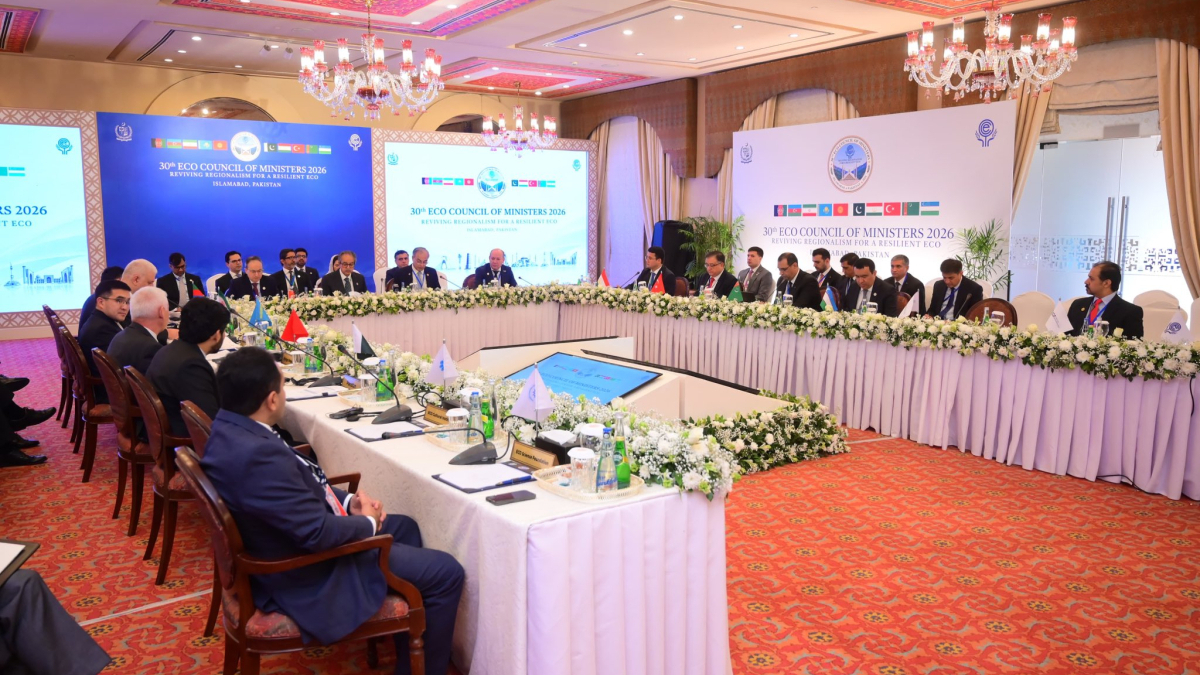
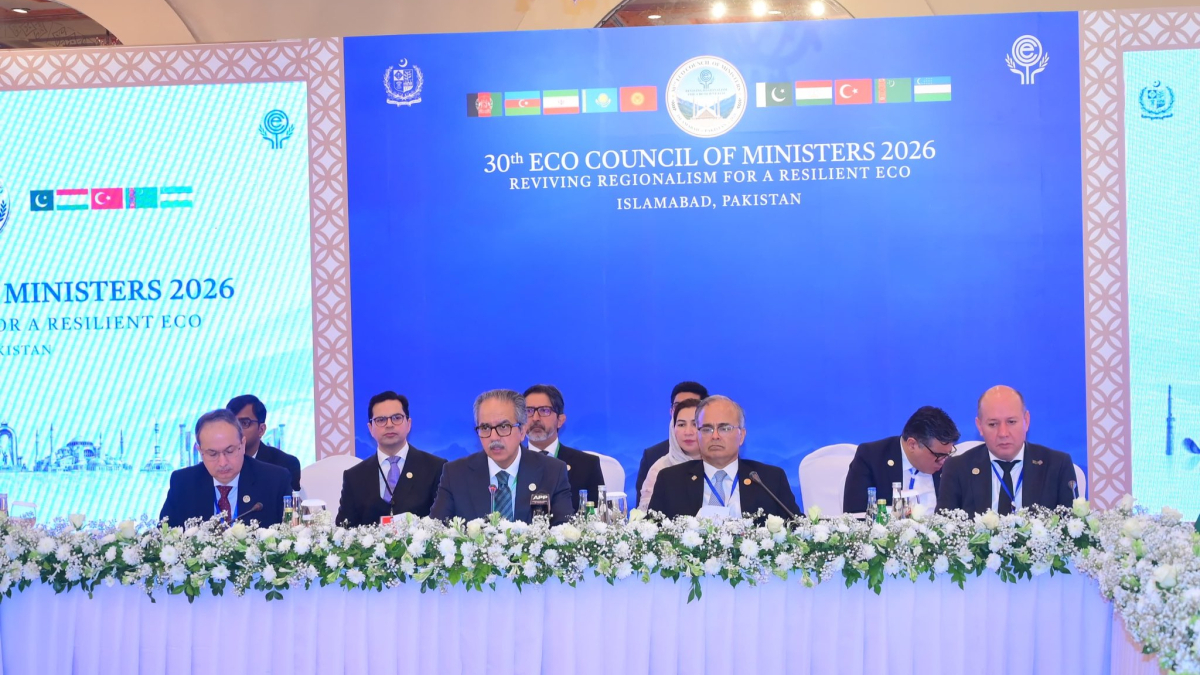
Ministers and senior officials from the Economic Cooperation Organization (ECO) are gathering in Islamabad, Pakistan, on 16 November, to discuss how trade links, transport corridors and economic integration could benefit 10 countries across Central Asia, the South Caucasus and beyond.
The 30th ECO Council of Ministers meeting is being chaired by Pakistan's Deputy Prime Minister and Foreign Minister Ishaq Dar. According to Pakistan's Foreign Office, Islamabad aims to strengthen regional connectivity, improve logistics networks and promote economic cooperation during its 2026–2027 chairmanship.
However, Afghanistan's exclusion has exposed a challenge for the meeting. Although Afghanistan is an ECO member, its Taliban administration says it was not invited, raising questions about regional connectivity efforts without the participation of a country linking Central and South Asia.
What is the ECO ministerial meeting in Islamabad?
The Economic Cooperation Organization was established in 1985 by Pakistan, Iran and Türkiye to promote regional economic development and cooperation.
It expanded in 1992 to include Afghanistan, Azerbaijan, Kazakhstan, Kyrgyzstan, Tajikistan, Turkmenistan and Uzbekistan, bringing its membership to 10 countries.
The ECO's 10 member states had a combined nominal gross domestic product of $3.04 trillion at the end of 2025, according to the ECO Trade and Development Bank.
The organisation covers a geographical area connecting Central Asia, the South Caucasus, the Middle East and South Asia, placing trade, transport, energy and investment cooperation among its priorities.
The 30th Council of Ministers meeting is taking place on 15–16 November. Senior officials held preparatory discussions on Sunday ahead of the main ministerial session on Monday.
According to Pakistan's Foreign Office, the preparatory session reviewed the organisation's activities and programmes, assessed the work of its subsidiary bodies and prepared draft documents for ministers to consider.
What is on the ECO meeting agenda?
Pakistan has adopted the theme 'Reviving Regionalism for a Resilient ECO' for its 2026–2027 chairmanship.
According to the Foreign Office, Islamabad's priorities include strengthening regional connectivity, deepening economic integration, expanding partnerships and promoting sustainable development.
Pakistan also wants to position itself as a regional connectivity hub by improving logistics supply chains and facilitating trade between member countries.
The agenda reflects the economic importance of transport networks linking Central Asian markets with neighbouring regions and international trade routes.
However, the extent of progress will depend on whether governments agree on specific measures and implement them.
Why does ECO cooperation matter for Azerbaijan and Central Asia?
For Azerbaijan, Kazakhstan, Turkmenistan and other Central Asian economies, improved connectivity could support trade diversification and strengthen access to neighbouring markets.
Azerbaijan's position on transport routes linking the Caspian region with Türkiye and Europe makes regional logistics cooperation particularly relevant to its economic interests.
Closer coordination among ECO members could also help address obstacles to cross-border trade, including transport arrangements and supply-chain inefficiencies.
Azerbaijan is represented at the Islamabad meeting by Deputy Foreign Minister Elnur Mammadov, according to Pakistan's Foreign Office.
Kazakhstan's Deputy Foreign Minister Arman Issagaliyev and Turkmenistan's Foreign Minister Rashid Meredov are also attending.
Why is Afghanistan excluded from the ECO meeting?
Afghanistan remains one of the ECO's 10 member countries, but its Taliban administration says it was not invited to the Islamabad meeting.
According to the Kabul Tribune, citing Taliban Foreign Ministry official Zakaria Jalali, Kabul has criticised the decision and argued that meaningful regional economic integration requires Afghanistan's participation.
Jalali said trade, transit and economic cooperation should help overcome political differences rather than be restricted by them.
He also said Taliban representatives would attend an ECO meeting scheduled for Tehran in December.
The Kabul Tribune reported that Pakistan's Foreign Ministry had confirmed the Taliban administration was not invited to the Islamabad gathering.
Afghanistan's geographical position is significant for regional connectivity.
The country lies between Central and South Asia, making its territory potentially important for transport corridors linking markets across the two regions.
Its exclusion highlights a challenge for an organisation seeking closer economic integration among all its members.
The issue also raises questions about how regional transport initiatives involving Afghanistan could advance without its representatives participating in the ministerial discussions.
Who is attending the ECO ministerial meeting?
Pakistan's Foreign Office confirmed the arrival of several foreign ministers and senior officials ahead of Monday's session.
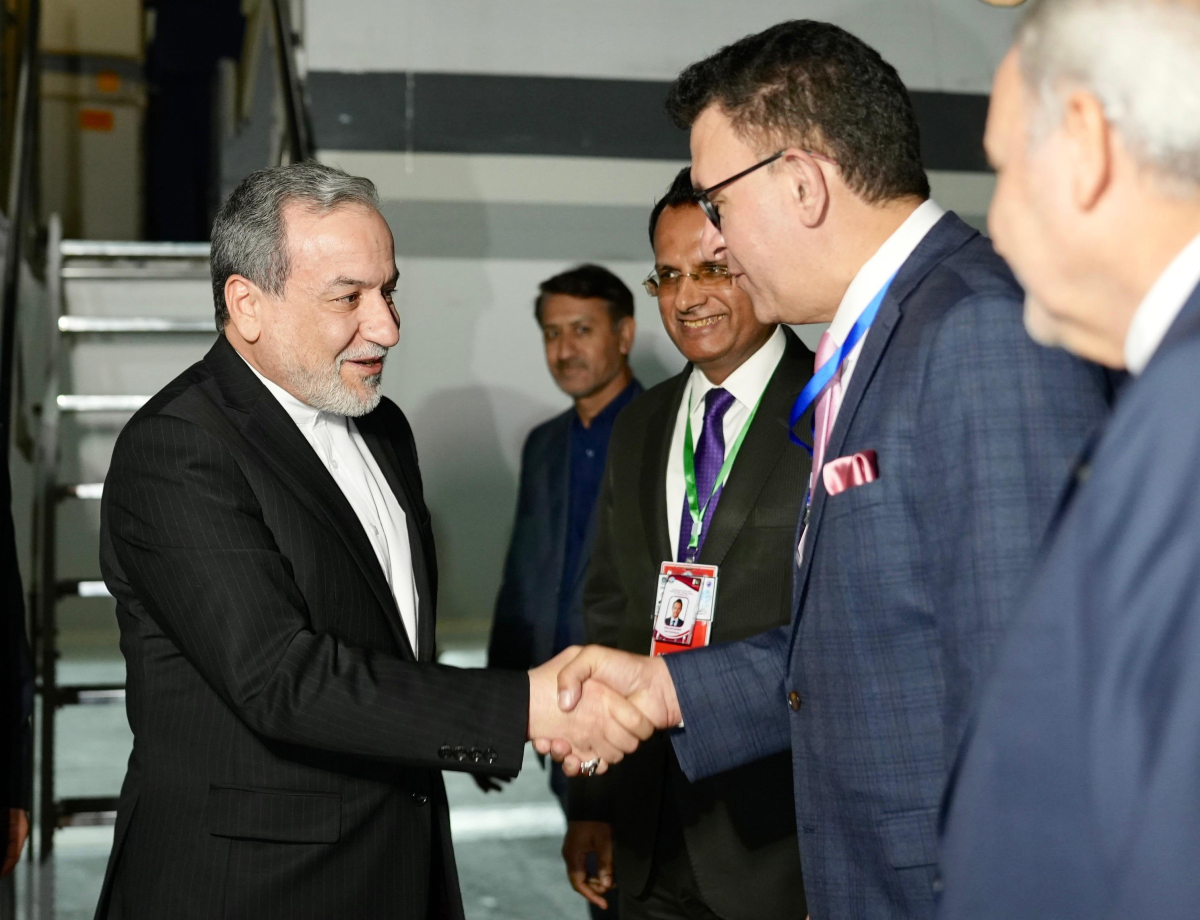
Iranian Foreign Minister Abbas Araghchi travelled to Islamabad on Sunday, according to Iran's ISNA news agency.
Iranian Foreign Ministry spokesperson Esmaeil Baghaei said Araghchi would participate in discussions focused on economic and trade cooperation among ECO members.
Other participants in Islamabad include Türkiye's Deputy Foreign Minister Musa Kulaklıkaya and Kyrgyzstan's Deputy Foreign Minister Kairat Tursunkulov.
Representatives of the ECO Secretariat and other regional organisations are also attending associated meetings.
Dar hosted a welcome dinner for visiting delegations on Sunday, reaffirming Pakistan's commitment to regional cooperation and economic prosperity, according to the Foreign Office.
What outcomes could emerge from the ECO meeting?
The Council of Ministers is expected to consider draft documents prepared by senior officials and review the organisation's ongoing activities and programmes.
According to Pakistan's Foreign Office, the meeting will help advance Islamabad's regional economic priorities during its ECO chairmanship.
Pakistan has also confirmed plans to host the ECO Summit in 2027, a separate gathering of leaders.
During a meeting with ECO Secretary General Asad Majeed Khan, Dar reaffirmed Pakistan's commitment to strengthening regional connectivity and economic integration.











What is your opinion on this topic?
Leave the first comment