Iran and Oman have nearly finished a joint plan governing navigation through the Strait of Hormuz, an Iranian lawmaker said on Monday, as Tehran reported fresh explosions involving oil tankers in the strategic waterway.
Hassan Ghashghavi, spokesman for the Iranian Parliament’s National Security and Foreign Policy Commission, said the framework was practically complete and complied with international law.
Meanwhile, Mohammad Bagher Ghalibaf, Speaker of the Iranian Parliament, said in an interview with Al Jazeera, “We have reached a mutual understanding with Oman regarding the shipping corridor and the traffic separation scheme in the Strait of Hormuz."
Esmaeil Baghaei Foreign Ministry Spokesperson also said that “The two sides had reached a mutual understanding on the geographical parameters of the route under discussion.”
The agreement now awaits implementation steps, including ratification by the authorised bodies of both countries.
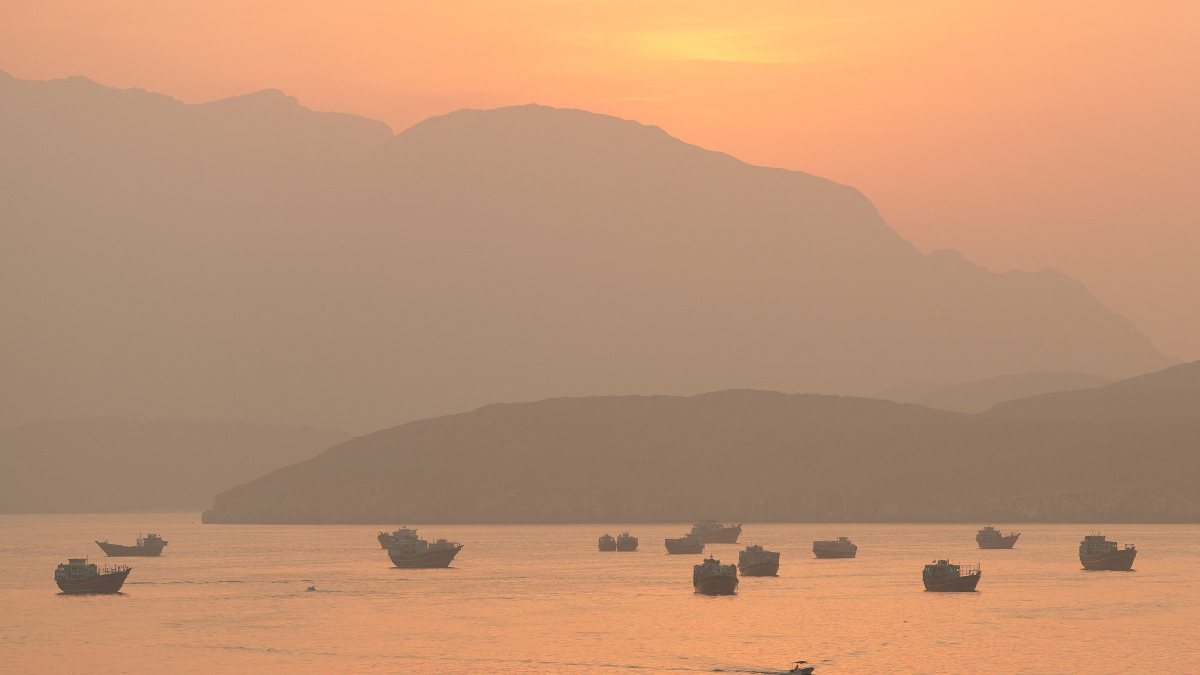
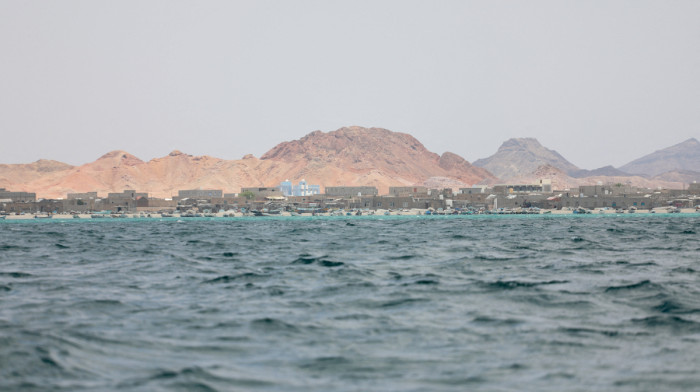
The development follows months of negotiations between Tehran and Muscat over maritime security and shipping arrangements in the Strait of Hormuz, a crucial passage linking the Persian Gulf to the Gulf of Oman.
Tanker explosions raise concerns over shipping safety
The announcement came as Iran's Islamic Revolutionary Guard Corps (IRGC) reported a total of six tankers had struck naval mines in the Strait of Hormuz, triggering explosions on Sunday and Monday.
The IRGC claims two were struck on Monday, warning vessels against entering designated restricted areas.
Meanwhile, a tanker was struck by an unknown projectile while transiting outbound through the Strait of Hormuz, sparking a fire in its engine room, British maritime agency (UKMTO) said on Monday.
No casualties were reported, while the extent of the damage and any environmental impact remained unknown, UKMTO said.
Tehran outlines conditions for a lasting settlement
Ghashghavi said Iran remained in a state of defensive war but stressed that military considerations did not rule out diplomacy.
Meanwhile, Iran's Deputy Foreign Minister for Legal Affairs, Kazem Gharibabadi, said Tehran was preparing for three possible scenarios: continuing to face the economic blockade, responding to any further U.S. military escalation and the resumption of war.
Speaking to Iranian state broadcaster IRIB, Gharibabadi said a lasting peace agreement would be impossible unless Tehran's demands were met, including the lifting of economic sanctions and the release of frozen Iranian assets.
He stressed that diplomacy could not be Iran's only approach during wartime, adding that Iran was neither Venezuela nor Cuba.
The senior diplomat also said inspectors from the International Atomic Energy Agency (IAEA) would not be allowed to visit Iranian nuclear facilities bombed by Israel and the United States until the war was permanently resolved.
Iranian foreign minister expected in Oman
Iranian Foreign Minister Abbas Araghchi is expected to travel to Muscat on Tuesday (17 November), according to an official source, following his attendance at a regional ministerial meeting in Islamabad on Monday.
His planned visit comes as Iran and Oman work towards implementing the proposed maritime framework.
The two countries have previously discussed establishing a temporary navigational corridor and conducting joint mine-clearance operations to improve shipping safety in the strait.
Although Iranian officials say the latest plan is nearly complete, its implementation remains subject to further formal approval by the two coastal states.
Read more:








What is your opinion on this topic?
Leave the first comment