Iran has unveiled a new underground missile and drone base, warning that it will respond forcefully to any attack, as tensions persist with the U.S. and oil tankers continue to be struck by naval mines in the Strait of Hormuz.
Mohammad-Bagher Ghalibaf, Speaker of Iran’s parliament, has hailed the unveiling of the Islamic Revolutionary Guard Corps (IRGC) facility, saying it sends a clear warning to Iran’s adversaries that Tehran will “determine the geography of any military confrontation” if it is attacked again.
“Do not make mistakes in your calculations. If you do, Iran will not hesitate to defend itself quickly and beyond your imagination,” warned Ghalibaf, Iran’s chief negotiator in the U.S.-Iran peace talks.
In a message marking the unveiling, Ghalibaf said the new base, described by Tehran as a “missile city”, forms part of Iran’s efforts to build a “sustainable deterrent through defensive preparedness, continuous progress, and national cohesion”.
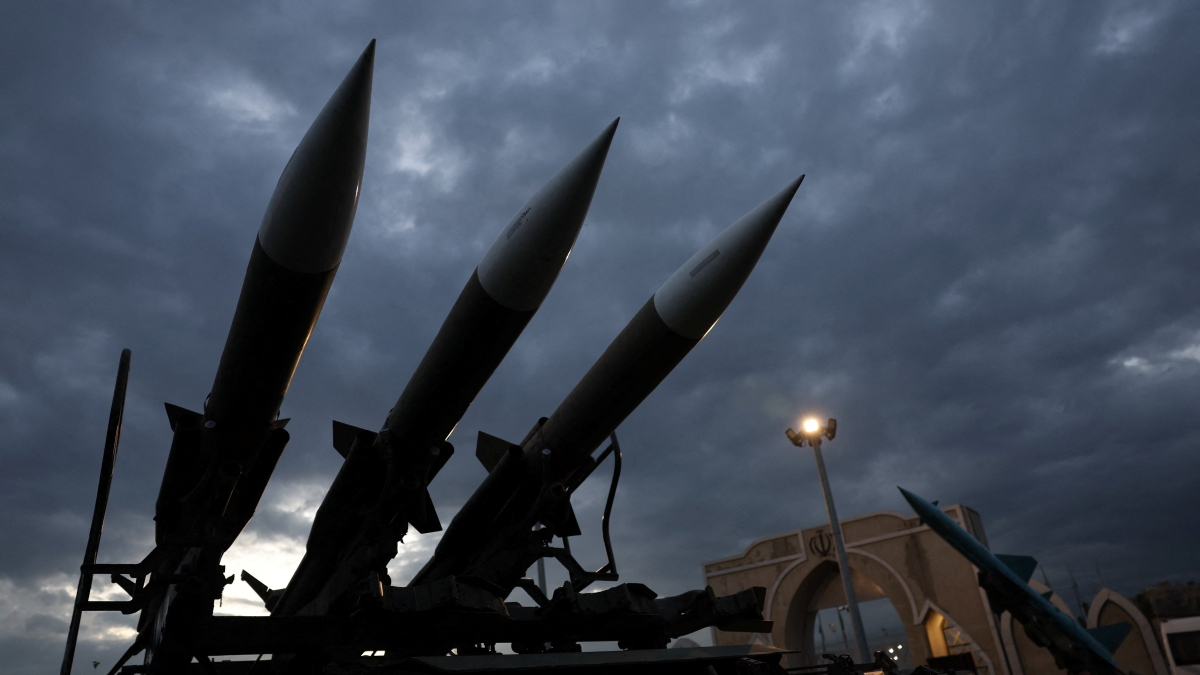
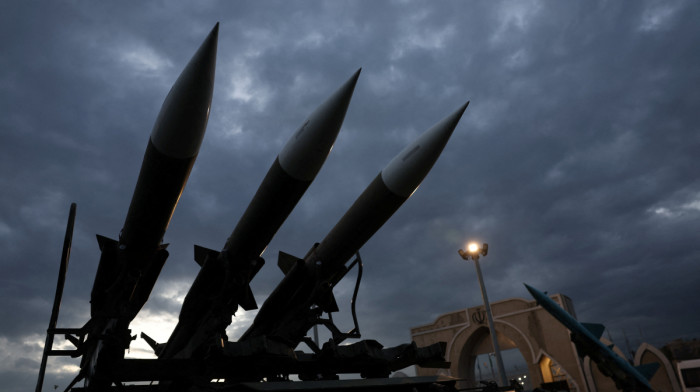
Iran showcases underground missile capabilities
The IRGC unveiled the underground drone and missile facility on Tuesday, but did not reveal its location.
“If required, Iran will take out all the enemies’ capabilities in the region and beyond,” said the commander of the IRGC Aerospace Force, Brigadier General Majid Mousavi, during the unveiling ceremony.
Mousavi warned that Iran’s missiles would bring defeat and humiliation to its enemies.
“We will show our strength, perseverance, and steadfastness against our enemies and dissuade them from any mistakes or errors.”
Iran has developed an extensive missile programme, including domestically produced one-way attack and loitering drones, cruise missiles and ballistic missiles with ranges of up to 2,000 kilometres.
Tehran deployed these weapons during its conflicts with Israel and the U.S. in 2025 and 2026, launching barrages of missiles at Israel and U.S. military bases and interests across the region.
To protect its arsenal, Iran has constructed extensive underground missile facilities at undisclosed locations across the country. Previously released footage has offered glimpses inside these complexes, while the latest images show senior Iranian military and IRGC commanders touring the new base in a military jeep.
Iran moves missile production underground
Tehran has also intensified efforts to protect its military manufacturing facilities against future attacks.
Following strikes on missile production lines and factories during the 12-day war in June 2025 and the 40-day conflict in 2026, Iran relocated production facilities underground to reduce their vulnerability.
IRGC spokesman Hossein Mohebbi confirmed the move during a press briefing on Saturday to mark Iran’s Aerospace Week.
He also announced that the Revolutionary Guards would no longer limit the range of their ballistic missiles to 2,000 kilometres.
The previous restriction had been imposed by former Supreme Leader Ayatollah Ali Khamenei, who was killed in joint Israeli-U.S. air strikes in late February 2026.
Iran’s ballistic missile capabilities and civilian nuclear programme remain major points of contention in negotiations with Washington. Both issues were central to tensions before the military stand-off in the Strait of Hormuz, and mediated talks have made little progress towards resolving them.
Oil tankers hit by mines in Strait of Hormuz
The unveiling comes as the Strait of Hormuz remains a flashpoint, with the IRGC reporting further explosions involving oil tankers attempting to navigate the strategic waterway.
In a statement issued late on Tuesday, the IRGC Navy said a third tanker had struck a naval mine and exploded while attempting to use what it described as an unauthorised route through the strait.
“Following the destruction of the radar and coastal navigation systems of the U.S. Army of Smugglers in the southern part of the Strait of Hormuz, the offending tankers are attempting to cross the Strait via the illegal route, taking risks several times greater than before,” the IRGC said in a statement published by Sepah News.
On Wednesday, the force reported two further tanker explosions, claiming the vessels had attempted to leave the waterway covertly with U.S. military support.
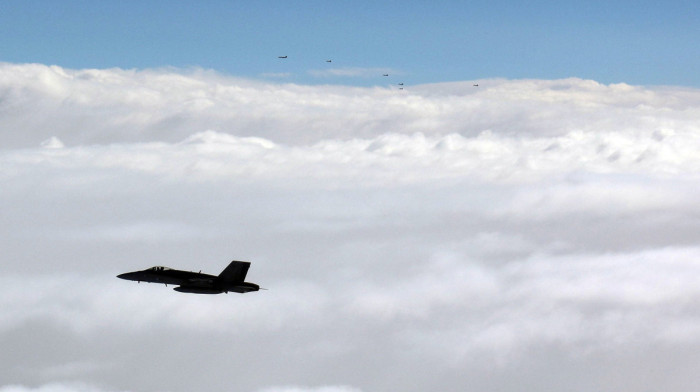
The two tankers, which were “secretly attempting to leave the unauthorised and dangerous Strait of Hormuz route with the support of fighter jets of the predatory and aggressive U.S. Army, hit naval mines and suffered a massive explosion.”
According to the IRGC Navy, the vessels had switched off their navigation and identification systems and were attempting to cross the strait under the guidance of a U.S. military officer.
“Naval mines thwarted these smugglers, adding another page to the black record of the terrorist commander of CENTCOM, Brad Cooper,” the statement said.
“The criminal and desperate U.S. military officials do not need to perform a media show from a helicopter outside the Strait of Hormuz to prove their lies. Aerial photos of the Strait of Hormuz show the whole story without censorship,” it added, referring to Cooper’s visit to the waterway aboard a U.S. Army CH-47 Chinook helicopter on 25 October.










What is your opinion on this topic?
Leave the first comment