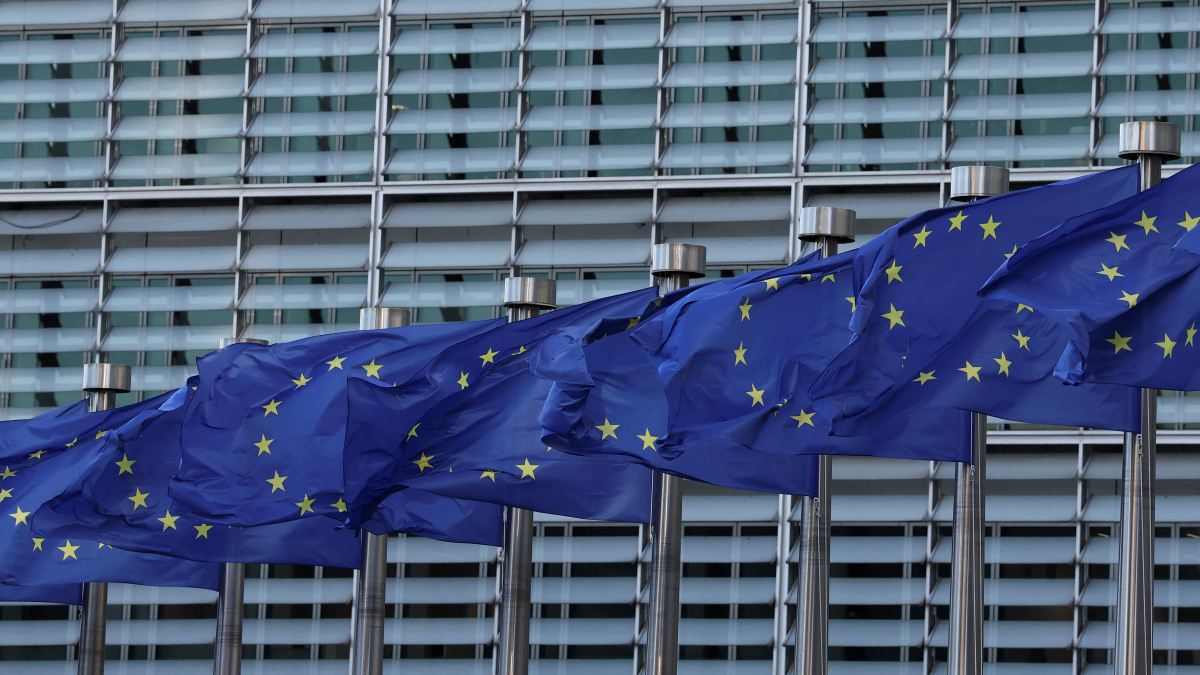
Georgia’s government was absent from the EU Enlargement Forum in Brussels on 16 November after its officials were not invited, highlighting growing tensions between Tbilisi and the European Union.
The diplomatic dispute also extended to a separate ministerial meeting on regional connectivity and security, which Georgia declined to attend after being offered representation at ambassadorial rather than ministerial level.
Georgia excluded from EU enlargement talks
The second EU Enlargement Forum, titled “A Wider Europe - A Stronger Europe”, was hosted by European Commission President Ursula von der Leyen and Enlargement Commissioner Marta Kos.
The event brought together political leaders and representatives from EU member states and countries involved in the enlargement process, alongside figures from civil society, youth organisations and businesses.
Despite the government's absence, Georgia was represented by members of civil society, reflecting the EU's continued engagement with Georgian society even as relations with the country's authorities deteriorate.
Diplomatic row over invitations
At the centre of the dispute is a separate ministerial meeting on connectivity and security, scheduled to follow the EU Foreign Affairs Council on 16 November.
The meeting is intended to bring together ministers from the South Caucasus, Central Asia, Moldova, Türkiye and Ukraine to discuss regional security and transport links.
The European Commission confirmed on 9 November that Georgian authorities had not been invited to the Enlargement Forum, although they had received a lower-level invitation to the connectivity meeting.
Commission spokesperson Guillaume Mercier said engagement with Georgian authorities would remain restricted until they showed a willingness to change course, in line with the findings of the Commission's latest enlargement assessment.
Georgia's Foreign Ministry responded by announcing that no government officials would attend either event, arguing that the invitations did not reflect the appropriate level of representation.
The ministry insisted that Tbilisi remained committed to constructive cooperation with the EU and was prepared to attend future meetings if invited at the appropriate level.
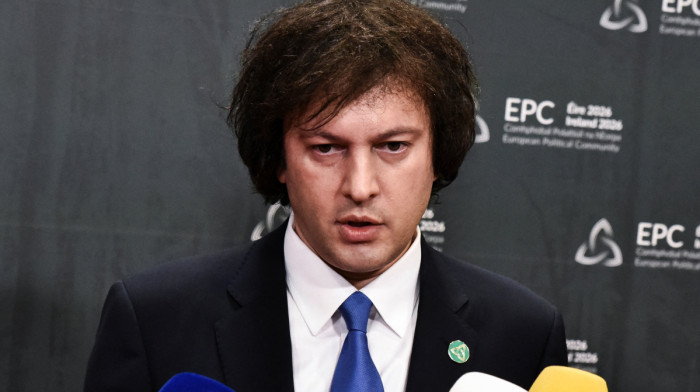
Prime Minister Irakli Kobakhidze backed the decision, insisting that Georgia deserved to be treated with dignity and represented appropriately at international gatherings.
He called the EU's approach unhealthy and warned that excluding Georgia from high-level discussions would harm European interests, particularly given the country's strategic position as a transit corridor linking Europe and Asia.
EU ministers to discuss Georgia in January
The diplomatic tensions have raised fresh questions about the future of EU-Georgia relations.
Speaking in Brussels during a discussion with Georgian opposition politician Salome Samadashvili, Enlargement Commissioner Marta Kos said EU foreign ministers would address relations with Georgia at January's Foreign Affairs Council, including options for continued cooperation.
Kos said she did not anticipate a concrete outcome but hoped the talks would provide greater clarity on the way forward.
She also criticised the Georgian government's repeated failure to attend EU meetings on connectivity, saying several invitations had been issued without being accepted.
“We are trying to engage with them, but they do not want to come. Accordingly, we no longer send invitations at the highest level. We are looking for opportunities to engage,” Kos said.
Samadashvili, meanwhile, called for EU-backed connectivity projects to remain subject to political conditions, arguing that cooperation should be tied to Georgia's commitments.
Georgia's EU accession remains stalled
The dispute comes against the backdrop of Georgia's stalled EU membership bid.
In its latest enlargement report, published on 4 November, the European Commission reaffirmed that Georgia's accession process remained effectively frozen, citing the government's failure to implement the reforms needed to advance towards membership.
The Commission also described Georgia as a candidate country in name only, despite its continued formal status as an EU membership candidate.
The latest confrontation highlights the widening divide between Brussels and Tbilisi, with disagreements over diplomatic representation, political reforms and the conditions for future cooperation continuing to strain relations.
Read more:








What is your opinion on this topic?
Leave the first comment