Foreign ministers revive a deal first drafted in 2008, as Kallas warns others will fill the “vacuum” if Europe stays away; the bloc also adds 140 Russia-related sanctions listings.
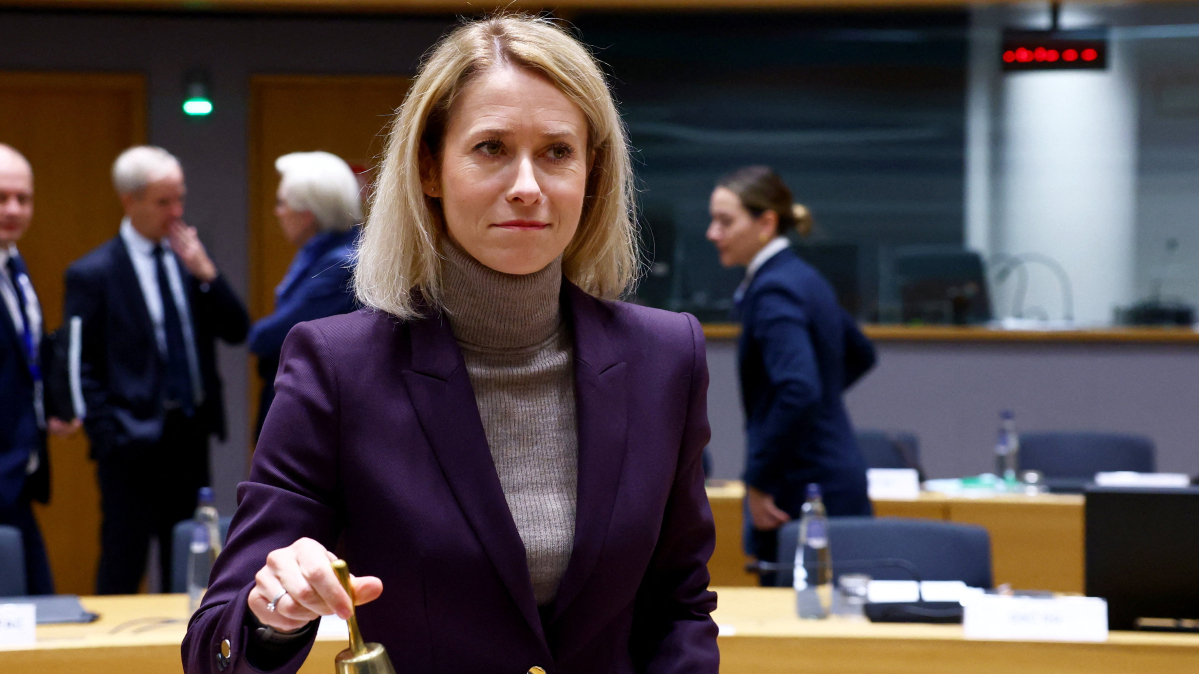
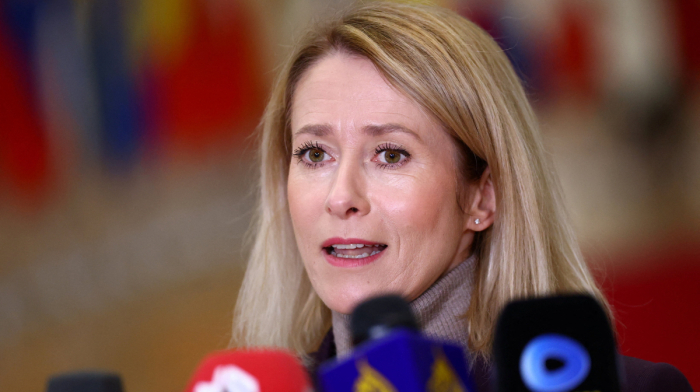
European Union foreign ministers agreed on Monday to move ahead with a deal to deepen ties with Syria, reviving an agreement first drafted in 2008, the bloc’s foreign policy chief Kaja Kallas said.
“The EU seeks a major upgrade in its ties with Syria, and today ministers supported moving ahead with the EU-Syria Association Agreement,” Kallas told reporters after a monthly meeting of foreign ministers in Brussels.
An association agreement typically paves the way for closer trade ties and broader economic and political cooperation.
Kallas said EU officials would now work with member states on the technical and legal details to prepare the agreement for signing. It would create a framework for free trade, political dialogue and wider cooperation between Brussels and Damascus.
“Syria needs investment and a successful transition. The aim is to give Europe and Syria a framework for trade, political dialogue, and closer cooperation as soon as possible,” she said.
She said Syria’s transition was moving forward, but that economic recovery, national reconciliation and the return of refugees remained “challenging”. A stable Syria, she said, was in Europe’s interest.
“Everybody said that we need to engage with Syria because if we don’t engage, then this vacuum will be filled by other players,” Kallas said.
Revisions to follow
At the same time, the EU will seek a new mandate from member states to negotiate a modernised version of the agreement.
Once the 2008 deal is finalised, work will begin on revising it to take account of issues such as human rights conditions and Damascus’s past support for Russia in its war against Ukraine, Kallas said.
A discussion paper prepared by the EU’s diplomatic service before the meeting set out one of Brussels’ most ambitious efforts yet to normalise relations with Syria. The move comes less than two years after the fall of Bashar al-Assad ended decades of authoritarian rule and reshaped alliances across the region.
Syria faces huge reconstruction needs after nearly 14 years of civil war that devastated its infrastructure and crippled its economy. Its new authorities have been seeking foreign investment to rebuild the country and revive trade after years of international isolation.
The decision follows the resumption in May of the EU’s 1978 cooperation agreement with Syria, and the first high-level political dialogue between Brussels and Damascus.
The EU has committed €620 million ($718 million) to Syria for 2026 and 2027, covering humanitarian aid and economic recovery.
Russia’s interests in Syria
Russia’s intervention in Syria’s civil war helped keep Assad in power for years and secured Moscow a strategic foothold on the Mediterranean.
Since Assad’s overthrow, the Kremlin has been trying to reach a new agreement with the Syrian authorities to keep access to the Tartous naval facility and the Hmeimim air base, which underpin its military reach in the region.
Turning to Iran, Kallas said the EU had imposed “sweeping sanctions” over Tehran’s “nuclear program, severe human rights violations, and restrictions on freedom of navigation”.
“We are now preparing further sanctions,” she said.
She said the EU and the Gulf states shared an interest in regional stability and in the Strait of Hormuz being fully reopened.
On last month’s Israeli elections, Kallas said the EU was ready to work with Israel’s next government as efforts to form one continue.
New sanctions on Russia
Kallas said she had met Ukrainian Prime Minister Serhiy Koretskyi and Foreign Minister Andrii Sybiha earlier on Monday.
She said Russia was continuing to escalate its strikes on Ukraine. To help Ukraine through the winter, she said, the EU is supplying 500 generators, 200 buses, emergency shelters, underwater energy cables and floating bridges.
“Sadly, there are still no signs of Moscow preparing for peace,” she said, adding that the EU was increasing pressure on Russia.
“Today, ministers approved 140 new listings. They target Russian refineries, banks, e-commerce, and companies in the Gulf and East Asia that also support Russia’s shadow fleet,” she said.
Kallas said the EU would present its 22nd sanctions package in the coming days. Ministers also discussed tougher visa policies and ways to stop Russian athletes competing in sports events held in the EU.
On peace talks, Kallas said Russia’s demands remained “maximalist”. She said Moscow wanted to dismember Ukraine, push NATO back and have a veto over European security.
“There can be no legal recognition of the occupied Ukrainian territories,” she said.
Read more:








What is your opinion on this topic?
Leave the first comment