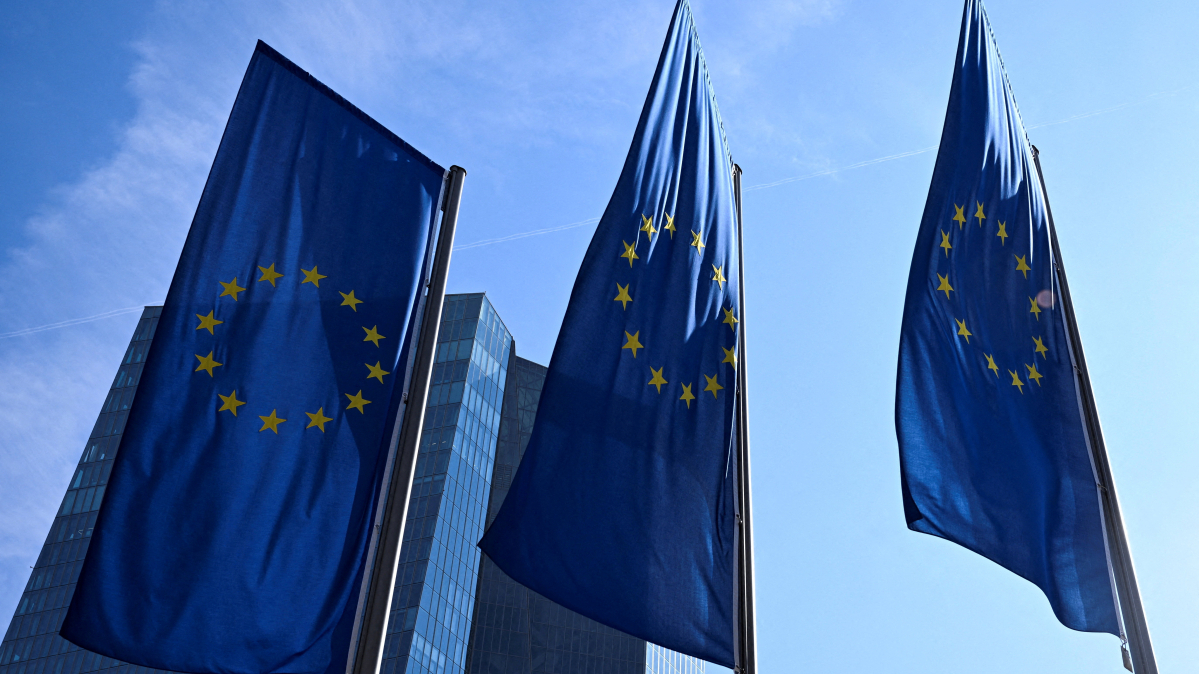
A growing majority of Europeans believe the European Union should pursue a more independent foreign policy and reduce its reliance on the U.S., according to a new survey published on Friday.
Support for greater autonomy rises
The latest Eupinions survey, conducted by Bertelsmann Stiftung with support from the King Baudouin Foundation, found that 73% of EU citizens think the bloc should "go its own way" in international affairs. That marks a notable increase from 63% recorded in the previous survey wave.
The findings point to a broader shift in European attitudes towards global partnerships and the EU's role on the world stage.
Trust in the U.S. has declined significantly, with just 31% of respondents now identifying it as the EU's most important ally, compared with 51% in autumn 2024.
Alternative partnerships gain ground
As confidence in Washington has weakened, other partners have gained prominence in the eyes of Europeans.
The United Kingdom is now regarded as a key ally by 24% of respondents, while 13% identified Canada as one of the EU's most important partners, reflecting changing views of transatlantic relations.
The survey also found growing doubts about the reliability of the U.S. among European citizens, particularly in parts of Western Europe.
Belgian attitudes shift sharply
Belgium recorded one of the most significant changes in sentiment.
Only 23% of Belgians now view the U.S. as the EU's primary ally, while around two-thirds said they do not trust Washington.
Support for reducing coordination with the U.S. was also particularly strong in Belgium, where 80% of respondents backed such a move, compared with the EU-wide average of 73%.
Generational divide narrows
The desire for greater strategic autonomy appears to cut across age groups, with older voters increasingly sharing the views of younger Europeans in favour of a more independent approach to foreign policy.
"The Trump presidency has left deep scars on the transatlantic relationship … A polarising American president and mounting geopolitical tensions have pushed European public opinion towards a more self-reliant stance," the report noted.














What is your opinion on this topic?
Leave the first comment