The European Union has moved closer to finalising a trade agreement with the United States in an effort to avoid a new tariff escalation threatened by President Donald Trump. The proposed deal is aimed at stabilising transatlantic trade ties amid mounting economic and political pressure.
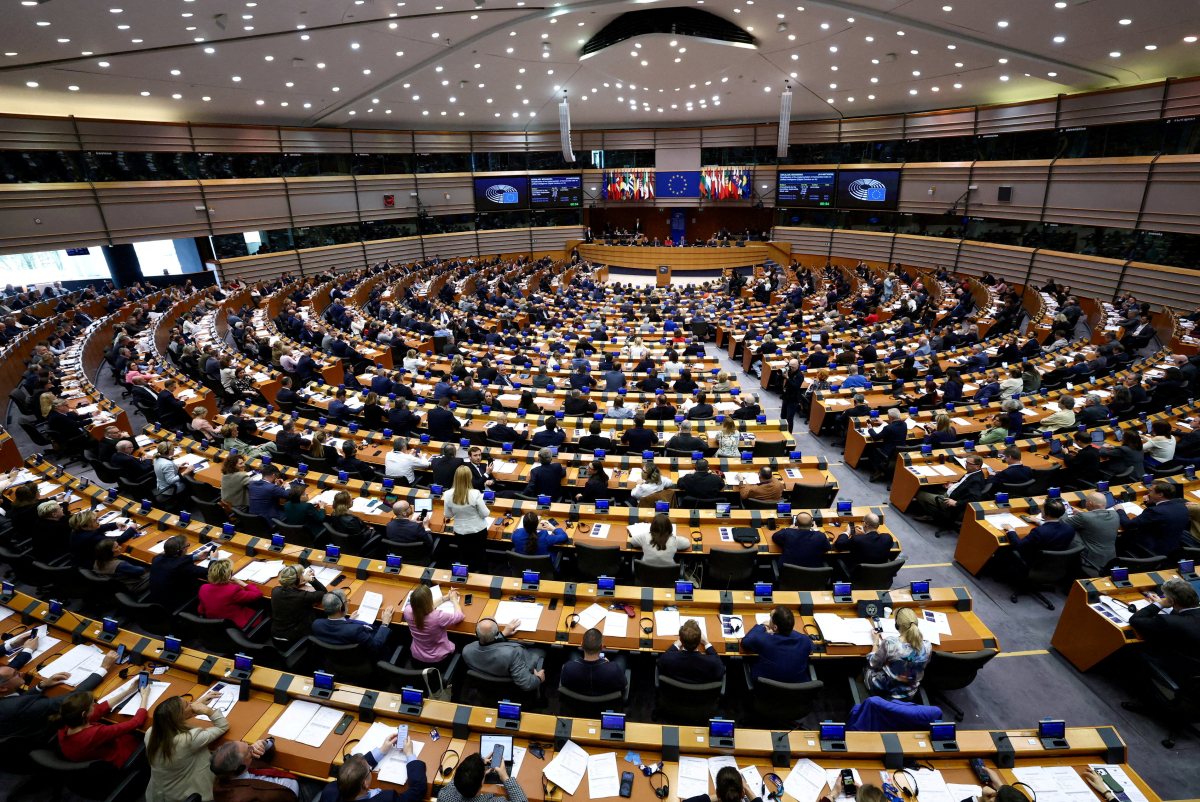
EU member states approved the legal framework needed to implement the agreement, which would reduce tariffs on several American goods in exchange for avoiding higher U.S. duties on European exports, including cars.
European Trade Commissioner Maroš Šefčovič welcomed the decision, saying the agreement would strengthen transatlantic stability and cooperation while protecting European interests.
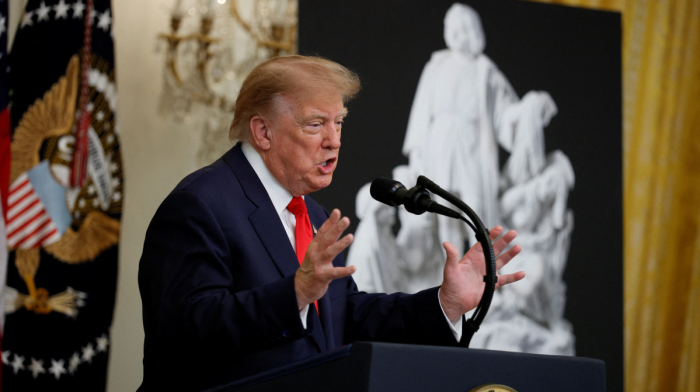
Trump has warned that if the deal is not fully finalised by 4 July, Washington could proceed with higher tariffs, fuelling fears of a renewed trade dispute between the two sides.
Concerns over concessions
Critics argue that Brussels is making too many concessions by expanding market access for U.S. industrial, agricultural and seafood products while the United States maintains a 15% baseline tariff on most EU exports.
A tougher safeguard clause that would have required Washington to act first was ultimately removed, reflecting concerns within the EU about linking trade too closely to broader geopolitical disputes.
Supporters of the agreement argue that avoiding a trade war with Europe’s largest export market is essential as the bloc’s economy continues to face pressure.
The deal also includes provisions allowing Brussels to suspend the agreement if the U.S. fails to meet its commitments. The arrangement is due to expire in 2029 unless it is renewed.

















What is your opinion on this topic?
Leave the first comment