The European Union has moved closer to implementing tariff cuts under last year’s U.S. trade agreement after negotiators agreed on a provisional legislative text.
The European Union reached a provisional agreement on Wednesday (20 May) on legislation to remove import duties on U.S. goods, a key commitment in the trade deal struck with Washington last July.
The agreement between the European Parliament and the Council, which represents EU governments, is expected to pave the way for the EU’s tariff reductions to enter into force while preserving safeguards if U.S. President Donald Trump fails to honour Washington’s side of the accord.
The move follows months of uncertainty over the framework deal reached at Trump’s Turnberry golf resort in Scotland. Under the arrangement, the EU agreed to scrap tariffs on U.S. industrial goods and grant preferential access to U.S. agricultural and seafood products. In return, the United States would apply a 15 per cent tariff on most EU goods.
Tariff deadline nears
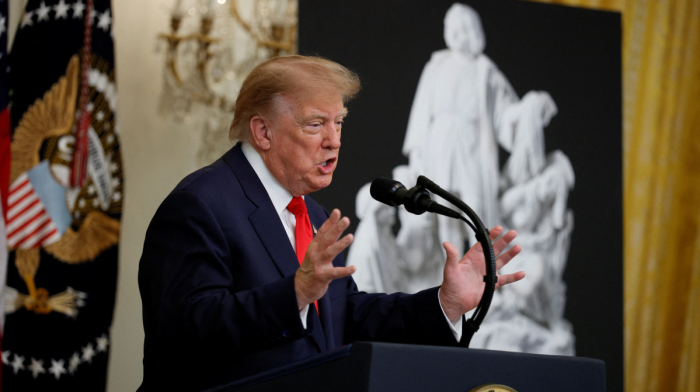
Trump set a 4 July deadline for the EU to implement its commitments, warning he could impose significantly higher tariffs on EU goods, including cars, if the bloc failed to act. He had earlier threatened to raise tariffs on EU car imports to 25 per cent from the current 15 per cent.
Željana Zovko, the lead trade negotiator in the European People’s Party group on the U.S. deal, said the provisional agreement had helped avoid a damaging escalation in transatlantic trade tensions.
“I am proud to announce that Europe has avoided a damaging escalation of transatlantic trade tensions and protected European companies, investments and millions of jobs on both sides of the Atlantic,” Zovko said in a post on X announcing the agreement.
The European People’s Party said the deal was expected to provide a more stable framework for EU-U.S. trade relations while leaving room for further talks on unresolved issues, particularly in the steel and aluminium sectors.
Safeguards debated
EU lawmakers twice delayed the required legislation after Trump threatened to impose new tariffs on European allies that did not support his proposed acquisition of Greenland, and after the U.S. Supreme Court struck down his global tariffs.
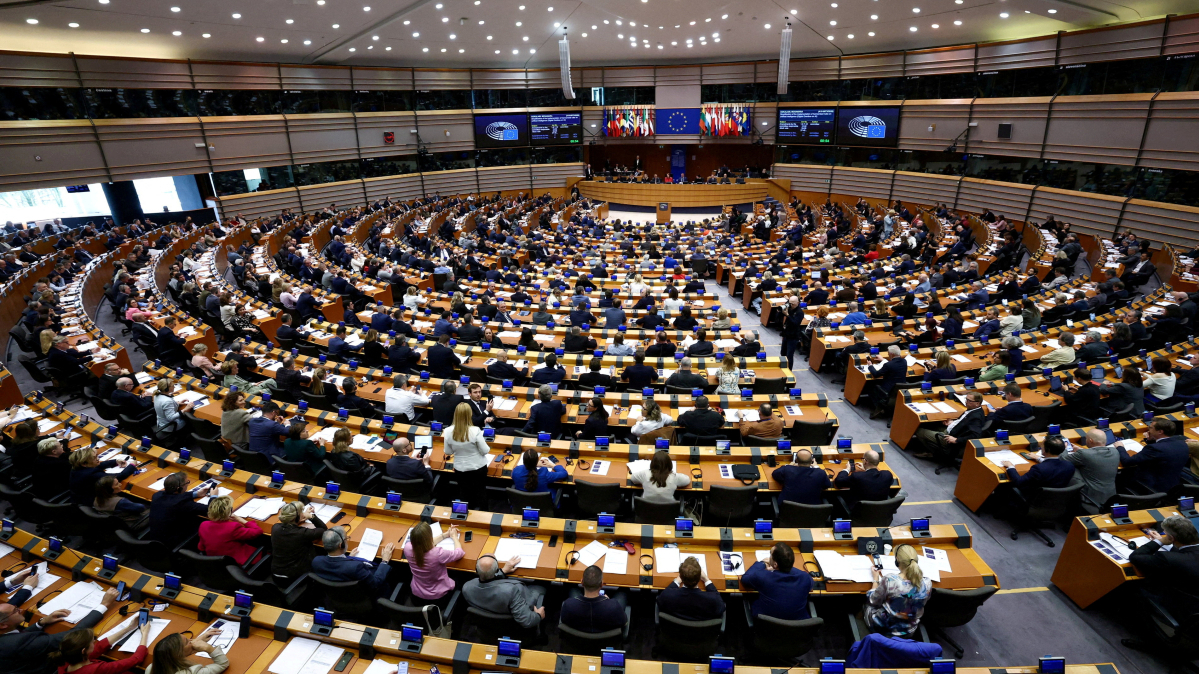
The bloc is now expected to meet the 4 July deadline, with a final vote in the European Parliament due in mid-June. The legislative text still reflects a compromise between lawmakers seeking stronger guarantees and governments wary of provoking the Trump administration.
Some EU lawmakers pushed for tougher safeguards, including a “sunrise clause” that would allow EU tariff cuts only once the United States fulfilled its part of the deal. They also wanted the option to suspend the agreement if Washington breached its terms, as well as a “sunset clause” that would end EU concessions on 31 March 2028.
EU governments showed less support for those provisions, according to Reuters, amid concerns the measures could antagonise Washington and create additional uncertainty for European businesses.
Read more:


















What is your opinion on this topic?
Leave the first comment