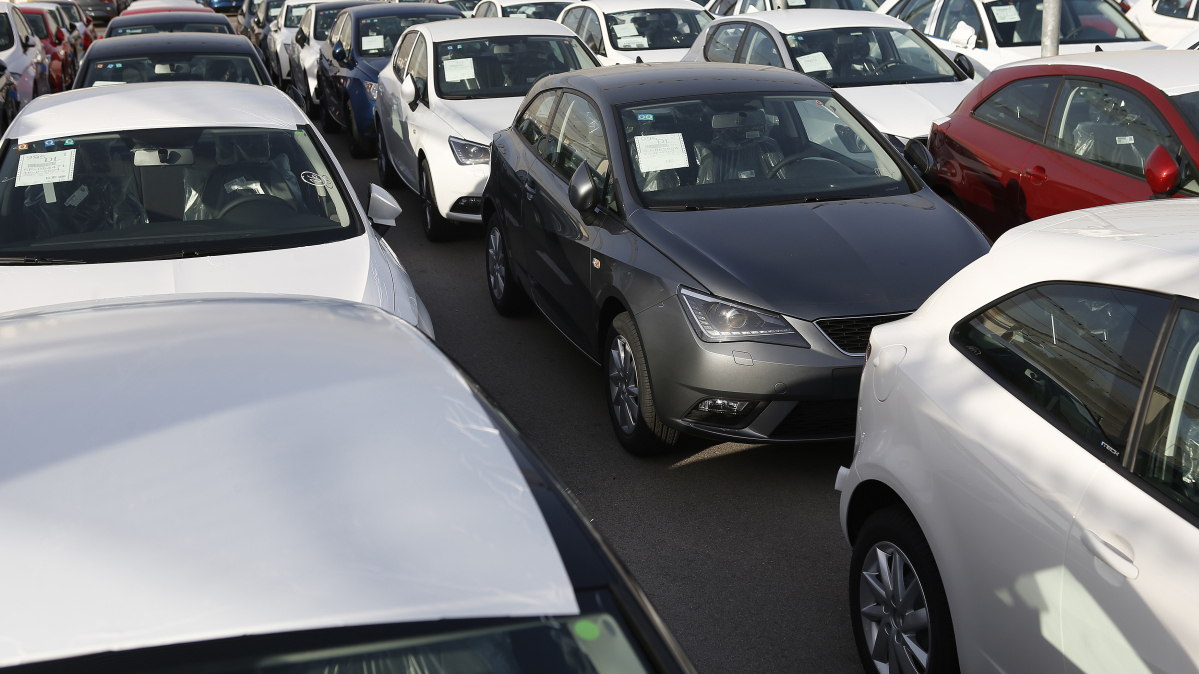
U.S. President Donald Trump has said he will raise tariffs on cars and trucks imported from the European Union to 25% next week, up from the 15% level agreed last year, accusing the bloc of failing to comply with its trade commitments.
In a post on social media on Friday, Trump said the European Union was not honouring the terms of the deal struck with Washington, prompting him to act. He added that vehicles manufactured in the United States would not be subject to the tariff.
Speaking later at the White House, the president said the higher levy would generate billions of dollars for the U.S. and force European carmakers to relocate production more quickly to American plants.
The move drew sharp criticism from European politicians and industry groups. The European Commission rejected the claim that the EU had breached the agreement and said it would consider measures to protect the bloc’s interests if the United States violated its terms.
Tensions between Washington and Brussels have been rising amid disagreements over the war in Iran and wider security and trade issues. The tariff announcement coincided with the May Day public holiday across much of Europe and the launch of a new EU-Mercosur trade deal, part of efforts by Brussels to offset the impact of U.S. trade measures.
Last August, the two sides agreed to reduce U.S. tariffs on EU car imports from 25% to a net rate of 15% in exchange for the EU cutting duties on U.S. industrial goods and aligning with American vehicle standards. While the U.S. implemented the changes immediately, EU legislative processes have moved more slowly, with final approval not expected before June.
Bernd Lange, chair of the European Parliament’s trade committee, described Trump’s action as "unacceptable", while German industry figures warned the higher tariffs would drive up costs and risk further escalation. Some economists and business leaders have urged the EU to respond with retaliatory measures.
Shares in major carmakers fell following the announcement, with U.S. and European manufacturers alike affected. Analysts warned the decision could deepen transatlantic trade tensions, particularly as uncertainty continues over the future of other trade agreements, including the U.S.-Mexico-Canada pact.



















What is your opinion on this topic?
Leave the first comment