Iran’s Revolutionary Guards (IRGC) said on Thursday (21 May) they would allow 31 commercial ships to pass through the Strait of Hormuz. AnewZ’s Touraj Shiralilou reports from the strategic waterway as it becomes central to peace talks between Iran and the U.S.
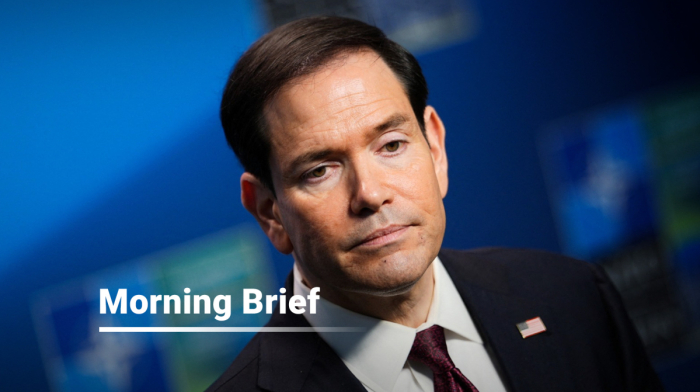
The IRGC’s announcement came on the same day that U.S. Secretary of State Marco Rubio warned there could be no resolution to the conflict with Iran while Tehran continued charging ships fees to use the sea passage.
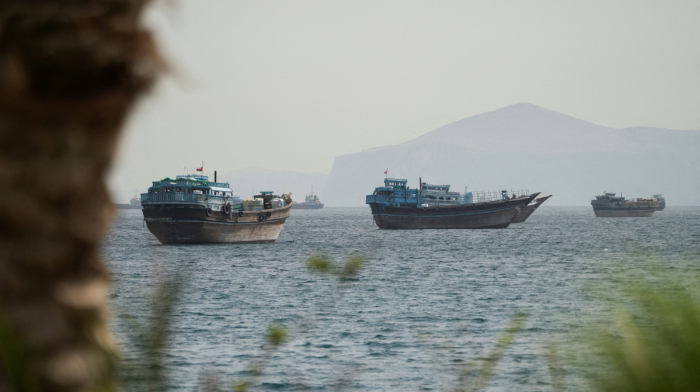
AnewZ’s Touraj Shiralilou visited the Strait of Hormuz to report on the latest developments.
Traffic through the waterway has fallen to a trickle compared with the 125 to 140 ships that passed through the strait before the war began at the end of February.
Before the conflict started, around a quarter of the world’s seaborne oil shipments passed through the Strait of Hormuz.
Iran has allowed safe passage through the waterway for a limited number of vessels, provided they pay a navigation fee.
Strait remains key sticking point
The U.S. began blockading Iranian ports in mid-April in an attempt to pressure Tehran into ending its effective closure of the strait.
However, Iran has doubled down. Earlier this week, the government established the Persian Gulf Strait Authority to manage the waterway and presented a map detailing the geographical area it intends to control.
A senior Iranian source told Reuters on Thursday that the Strait of Hormuz, along with uranium enrichment, remained a major sticking point preventing Tehran and Washington from reaching a peace agreement.














What is your opinion on this topic?
Leave the first comment