European Union negotiators are expected to agree on Tuesday (19 May) on legislation removing import duties on U.S. industrial goods, in a move aimed at implementing last year’s trade agreement with the United States and avoiding higher tariffs threatened by U.S. President Donald Trump.
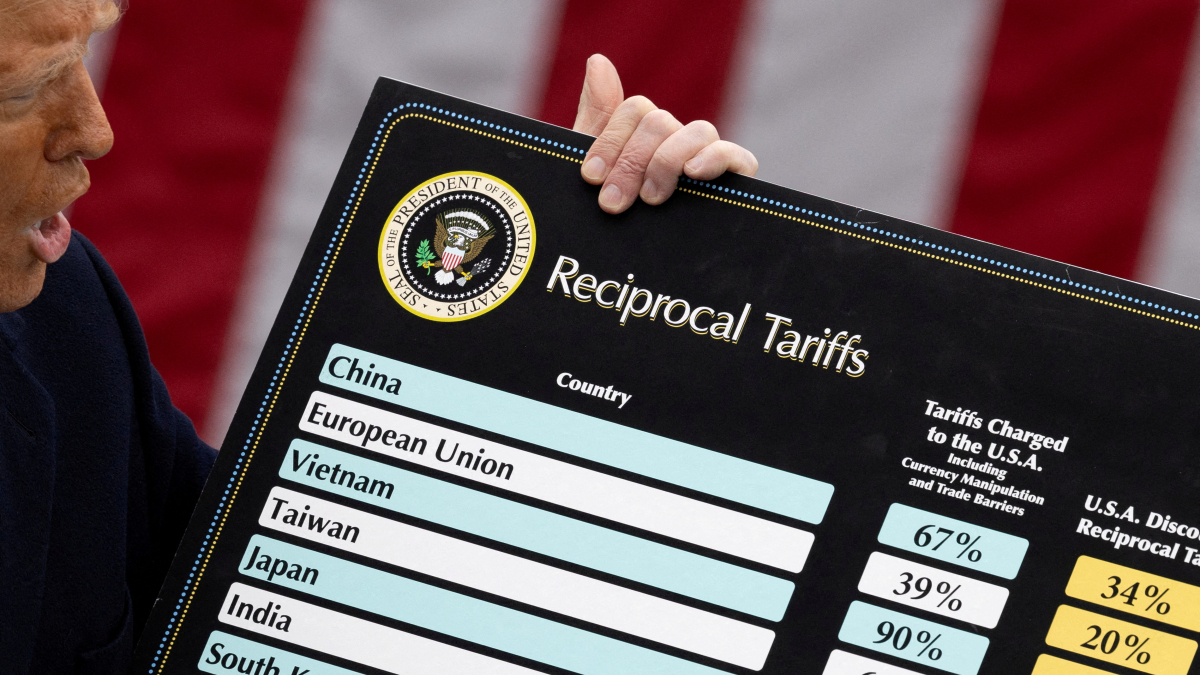
The deal, reached at Trump’s Turnberry golf resort in Scotland last July, would see the EU eliminate tariffs on U.S. industrial products and grant preferential access to American agricultural and seafood exports. In return, the United States would impose a 15% tariff on most EU goods.
Despite the agreement, its legal implementation has been delayed for nearly 10 months as the European Parliament and EU member states continue negotiations over safeguards and enforcement mechanisms.
EU lawmakers are now working to finalise a legislative text in talks expected to conclude late on Tuesday or early on Wednesday, with officials expressing confidence that an agreement can be reached in time to meet Washington’s deadline.
Trump has warned that failure to implement the agreement could trigger significantly higher tariffs on EU exports, including automobiles, with previous threats suggesting duties could rise to 25%.
He has set a 4 July deadline for the EU to comply with the agreement’s terms.
Divisions over safeguards
The main point of contention between EU institutions concerns how to ensure the United States adheres to its commitments under the deal.
Members of the European Parliament are pushing for stronger safeguards, including a “sunrise clause” that would delay EU tariff cuts until U.S. compliance is confirmed, a suspension mechanism in the event of violations, and a “sunset clause” ending concessions in 2028.
EU governments, however, have expressed concern that strict conditions could strain relations with Washington and create uncertainty for European businesses.
If an agreement is reached, the EU is expected to meet the 4 July deadline, with a final parliamentary vote anticipated in mid-June.
The outcome is seen as a key test of transatlantic trade stability at a time of heightened economic uncertainty and renewed tariff tensions between major global economies.



















What is your opinion on this topic?
Leave the first comment