Uzbekistan plans to create a National Geological Data Bank and expand the use of artificial intelligence (AI) across the mining sector as part of efforts to attract $30 billion in investment by 2030.
The initiative forms part of a broader strategy to modernise one of the country's most important industries. Mining enterprises accounted for around 20% of Uzbekistan's industrial output in 2025 and contributed 118.5 trillion soums ($9.42 billion) to the state budget.
Authorities intend to use AI to analyse geological data, forecast mineral deposits, assess reserves and improve drilling efficiency. More than 2,000 deposits have already been digitised through the existing GeoMonitoring system, while a new National Geological Data Bank will consolidate more than 36,000 geological reports and datasets into a single digital platform.
Officials expect the project to improve transparency and provide investors with easier access to reliable geological information. According to government estimates, digitalisation could reduce production costs by 10%, halve the time required to discover new deposits and increase the number of investment proposals fourfold.
Strategic sector for the economy
Uzbekistan is one of the world's most resource-rich countries, with proven reserves of approximately 6,400 tonnes of gold, 21.3 million tonnes of copper, 139,000 tonnes of uranium and 24,600 tonnes of silver. The country ranks among the global leaders in mineral wealth and is currently the world's 10th-largest gold producer. In 2024, Uzbekistan produced around 129 tonnes of gold.
Its mining industry is anchored by major enterprises including Navoi Mining and Metallurgical Company and Almalyk Mining and Metallurgical Complex. The Muruntau deposit, operated by Navoi Mining and Metallurgical Company, is widely regarded as one of the largest gold deposits in the world and hosts one of the world's largest open-pit gold mines.
Uzbekistan has also been increasing production of strategic minerals. Uranium output reached 7,000 tonnes in 2025, and the country plans to expand production further and develop new mines in the coming years.
AI and digital transformation
Between 2026 and 2030, Uzbekistan plans to implement 44 digitalisation and AI projects across the geology sector and six major mining enterprises, including Navoi Mining and Metallurgical Company, Almalyk Mining and Metallurgical Complex, Navoiuran, Uzmetkombinat, Uzbekugol and the Uzbek Technological Metals Plant.
The projects will focus on automating production processes, digitalising corporate management, introducing AI technologies, improving industrial safety and modernising geological exploration.
Authorities estimate that the reforms could increase operational efficiency by 7%, improve equipment reliability by 20% and boost energy efficiency by 8%. Human-factor-related errors and risks are expected to decline by 15%.
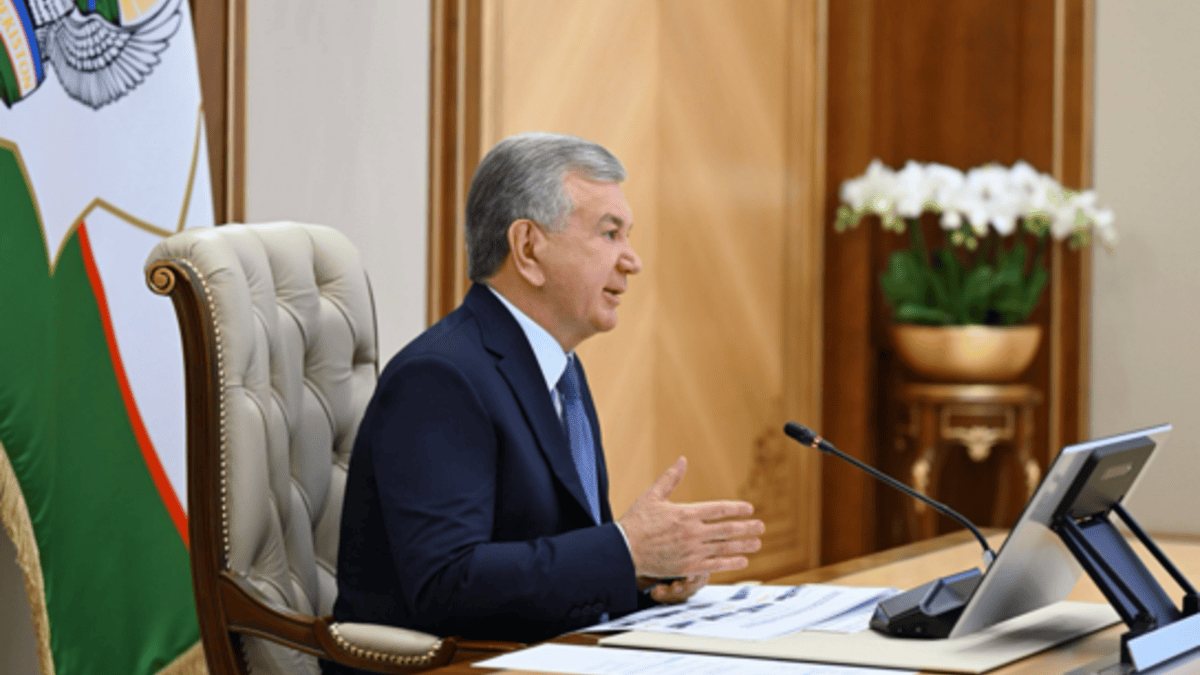
President Shavkat Mirziyoyev instructed officials to prepare separate programmes for the introduction of digital technologies and artificial intelligence across mining enterprises, while also improving the efficiency of production and labour resources.
The government views digitalisation as a key tool for unlocking the country's vast mineral potential and strengthening its position as one of the leading mining destinations in Central Asia.
Read more:


















What is your opinion on this topic?
Leave the first comment