A new state agency wants the world to take Georgian food as seriously as Georgians already do.
Somewhere between diplomacy and dinner, Georgia has carved out an entirely new branch of government - one dedicated solely to food. The National Agency of Gastronomy has officially begun operating under the Ministry of Environment Protection and Agriculture, with a mandate that reads like a love letter to the national table: protect, promote and export everything that makes Georgian cuisine unforgettable.
Why Georgia? Why now?
Deputy Minister Lasha Avaliani has been named acting head of the agency, inheriting a brief that spans geographical indications, rural development and - perhaps the trickiest task of all - convincing the rest of the world that cheese-filled bread is a perfectly legitimate meal at any hour of the day.
This is not a nation that needed persuading about its food. Georgia's culinary identity stretches back around 8,000 years, to the world's earliest known evidence of winemaking, still practised today through the UNESCO-recognised qvevri method - enormous clay vessels buried underground, where wine ferments slowly with skins, stems and patience.
Ask any Georgian and they'll tell you: the wine came first, hospitality came second, and everything else is just details.
That "everything else" happens to include some of the most distinctive dishes in the Caucasus. There's khachapuri, the cheese-filled bread eaten in dozens of regional variations, most famously the boat-shaped Adjarian version, crowned with a raw egg and butter, and built for tearing and dipping.
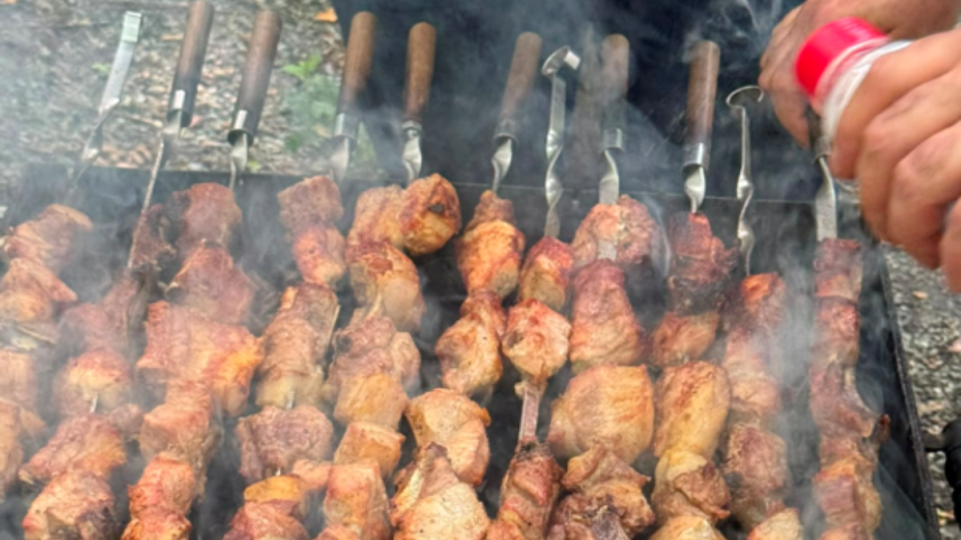
There's khinkali, the soup dumpling whose twisted topknot is less garnish than genuine craftsmanship - bite, don't stab, and never eat the knot. Add badrijani nigvzit (aubergine rolled with walnut paste), smoky mtsvadi skewers, tangy satsivi chicken in walnut sauce, and churchkhela, the candle-shaped walnut-and-grape-juice snack sometimes called the "Georgian Snickers".
Even the late Anthony Bourdain left the country all but warning the world: don't you dare criticise the food here.
From pride to policy
The new agency's role is to turn that inherited pride into a structured strategy - strengthening legal protections for geographical indications, coordinating between government, private producers and tourism bodies, and helping small-scale traditional producers commercialise without losing authenticity.
The stated goals are concrete: higher rural incomes, stronger local production, and a serious push into agro- and gastronomic tourism, a sector that remains underdeveloped relative to Georgia's culinary depth.
In short, gastronomy in Georgia has never been just dinner. It's identity, economy and - as of this month - official government business.
Read more:





















What is your opinion on this topic?
Leave the first comment