Uzbekistan recorded further declines in the production of key energy resources during the first four months of 2026, even as output of fuel products, electricity and construction materials increased, according to the latest data from the National Statistics Committee.
Hydrocarbon production continues to fall
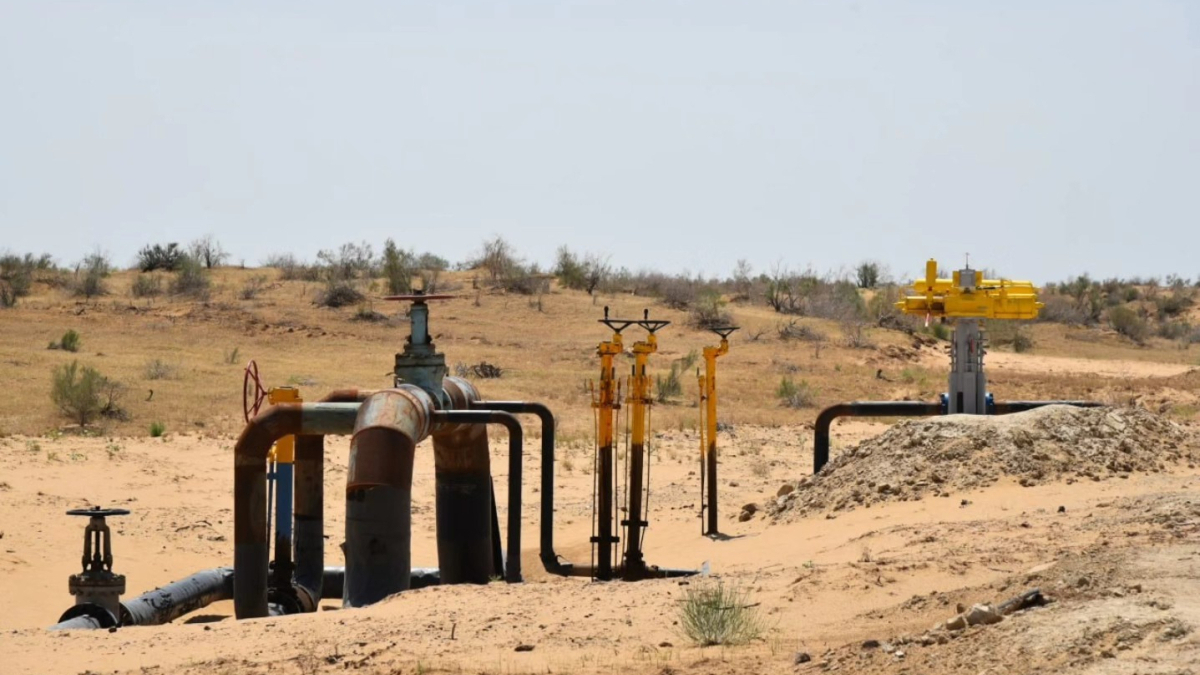
Between January and April, Uzbekistan produced 12.6 billion cubic metres of natural gas, down 16% year-on-year. Oil production declined by 2.5% to 209,000 tonnes, while gas condensate output fell by 19.2% to 319,300 tonnes.
Compared with the first four months of 2024, the declines were even more pronounced. Natural gas production decreased by 17.6%, oil output by 13.4%, and gas condensate production by 26.2%.
Coal production also contracted significantly. Output reached 1.3 million tonnes between January and April, representing a 27.8% decrease compared with the same period in 2025.
Why is production declining?
According to industry experts and previous statements by Uzbekistan's energy authorities, the decline in hydrocarbon production is linked to several structural challenges facing the sector.
One of the main factors is the depletion of mature oil and gas fields. Many of Uzbekistan's largest deposits have been in operation for decades, resulting in a gradual reduction in production volumes despite continued extraction activities.
Another challenge is the limited commissioning of new large-scale deposits capable of offsetting declines at existing fields. Energy officials have previously stated that stabilising production will depend on the development of new reserves and investment projects.
Industry analysts also point to ageing infrastructure and technological losses. Older wells and production facilities require modernisation, while declining reservoir pressure in mature fields has affected extraction rates.
Growth in fuel, electricity and cement production
Despite weaker extraction figures, several industrial sectors posted strong growth.
Production of petrol increased by 7.1% to 417,500 tonnes. Diesel fuel output rose by 17.1% to 381,000 tonnes, continuing a three-year growth trend.
Portland cement production recorded one of the strongest increases. Output reached 6.5 million tonnes, up 35.4% from the same period last year, reflecting strong demand from infrastructure and construction projects across the country.
Electricity generation also expanded. Total production reached 29.86 billion kilowatt-hours, an increase of 4.7% year-on-year.
Much of the growth came from smaller energy producers, whose electricity generation surged by 31.7% to 9.32 billion kilowatt-hours. In contrast, large enterprises reduced electricity production by 6.2%.
Energy transition under way
The latest statistics illustrate a broader transformation within Uzbekistan's energy sector. While production from traditional fossil fuel resources continues to decline, investment is increasingly being directed towards power generation, industrial processing and infrastructure development.
The trend underscores the importance of modernising existing energy assets, developing new sources of supply, and expanding renewable energy capacity as the country seeks to meet rising domestic demand while maintaining long-term energy security.





















What is your opinion on this topic?
Leave the first comment