Central Asia’s energy systems are becoming increasingly vulnerable as countries depend heavily on single power sources while facing mounting climate pressures, a new report by the Eurasian Development Bank (EDB) warns.
The report highlights how nations such as Kyrgyzstan and Tajikistan rely largely on hydropower, while Uzbekistan, Kazakhstan and Turkmenistan depend on gas and other hydrocarbons - leaving them exposed to supply disruptions and extreme weather.
Speaking to AnewZ, Richard Spooner from the Caspian Policy Center said the risks extend beyond technical challenges. “When you only have one source, it affects not only your energy security but your economic security and regional geopolitical stability,” he explained.
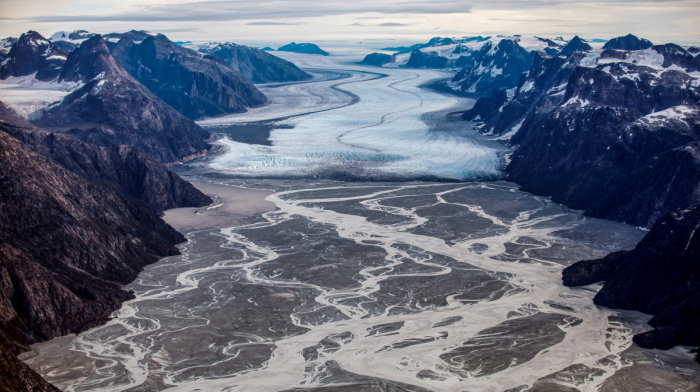
The region is already experiencing the effects of climate change, with accelerating glacier melt and more frequent droughts threatening water supplies - critical for hydropower generation.
Growing uncertainty
Spooner warned that water shortages could quickly translate into energy shortages, particularly in upstream countries, while downstream nations may face growing uncertainty over supply.
At the heart of the issue is a lack of regional coordination. Despite recent improvements in political ties, Central Asia still lacks a fully developed electricity market that would allow countries to share surplus energy. Spooner said building such a system is essential.
“If one country has excess power and another is facing shortages, there needs to be a mechanism to balance that,” he said.
He pointed to improving relations between Uzbekistan and Kazakhstan as a positive sign, suggesting that stronger cooperation between the region’s largest economies could help drive broader solutions.
However, he stressed that more needs to be done, particularly in managing shared water resources - often a sensitive issue between upstream and downstream states.
The report also raises concerns about ageing infrastructure. Much of the region’s energy system, particularly hydrocarbon-based generation, is outdated and in urgent need of modernisation. Spooner said external partners such as the European Union and China could play a key role by providing investment and technical support.
Water scarcity, he added, remains a potential flashpoint. “It is a very precious resource, and without serious cooperation it could become a source of tension,” he said, pointing to countries such as Kazakhstan that depend heavily on water flows from neighbours and from China.
While there are signs of improving regional dialogue compared with a decade ago, Spooner warned that time is limited.
As climate pressures intensify, Central Asian countries will need to act quickly to strengthen cooperation, modernise infrastructure and diversify their energy systems to avoid deeper economic and security challenges.












What is your opinion on this topic?
Leave the first comment