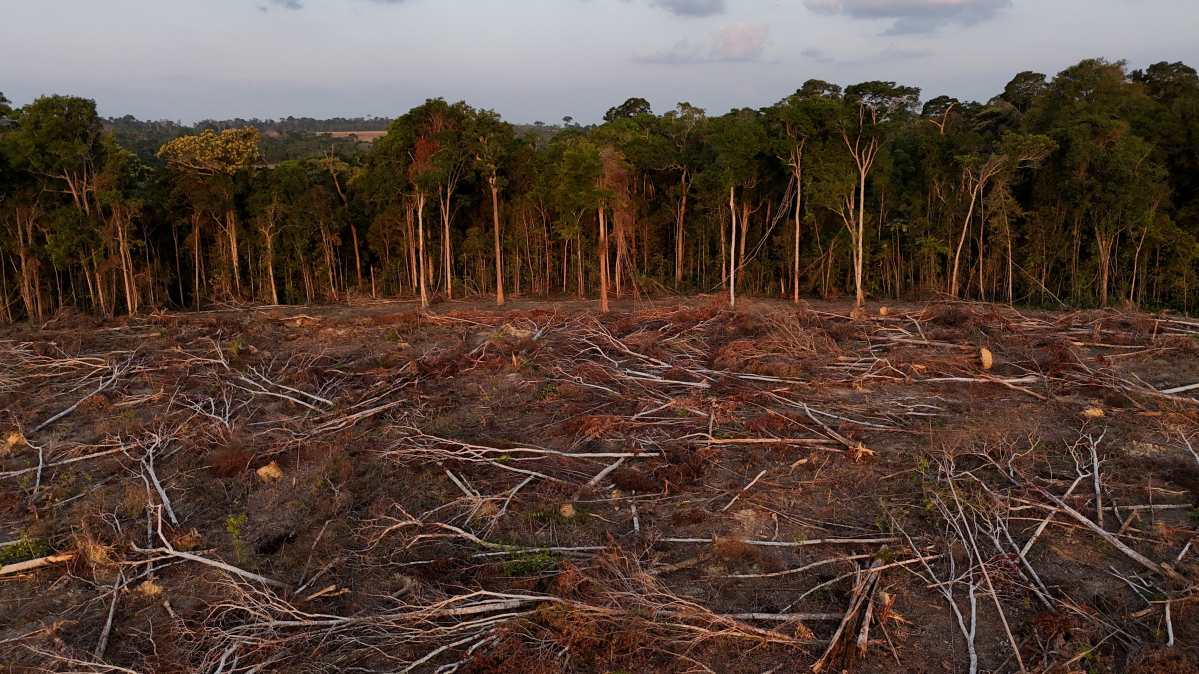
Destruction of the world's tropical forests eased in 2025 from a record high, a report showed on Wednesday, underscoring how decisive policy can help keep trees standing despite pressures from a warmer climate and expanding agricultural frontiers.
A new report from the World Resources Institute (WRI) showed that the planet lost 4.3 million hectares (10.6 million acres) of pristine tropical forest last year, a 36% drop compared to 2024, due largely to Brazil's efforts to curb deforestation as pledged by President Luiz Inácio Lula da Silva when he took office in 2023.
"It's encouraging, when the problem feels massive, (that) there are real interventions that work out there and we can see it in the data," said Elizabeth Goldman, a co-director of Global Forest Watch.
Still, Goldman said, countries are deforesting 70% more than they should be to meet the global commitment signed by almost all countries in 2023 to halt and reverse forest loss by 2030.
"Achieving this goal in the coming years will not be easy," she said.
Policy reversals
The study found that Agricultural expansion continued to be the biggest driver of forest loss around the world, driven by farm commodities in nations such as Brazil, Bolivia and Indonesia, and subsistence farming in places such as the Democratic Republic of Congo.
Long-running policy continued to limit the loss of primary forests in Malaysia and Indonesia, where palm oil plantations have historically pressured biomes.
But President Prabowo Subianto's push to expand a food estate programme, which aims to make the country self-sufficient in food production, contributed to an increase in deforestation in Indonesia last year.
Environmental groups have warned that the end of an industry-wide agreement to bar the purchase of soybeans from recently deforested farms in the Amazon rainforest this year will have a similar impact in Brazil in coming years.
Northern forests at risk
Global forest loss including ecosystems beyond the tropics fell 14% last year. But evidence continued to mount of climate change increasing pressure on the world's trees.
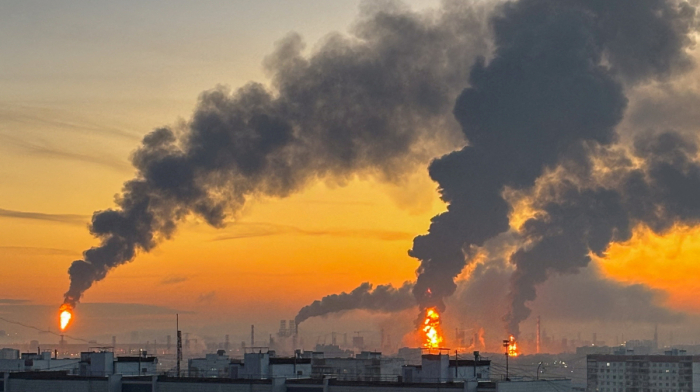
The report showed that the trend is most visible in Canada, which had its second-worst fire season on record last year.
The amount of boreal forest that burned in the past three years there was about five times the average recorded over the previous 20 years.
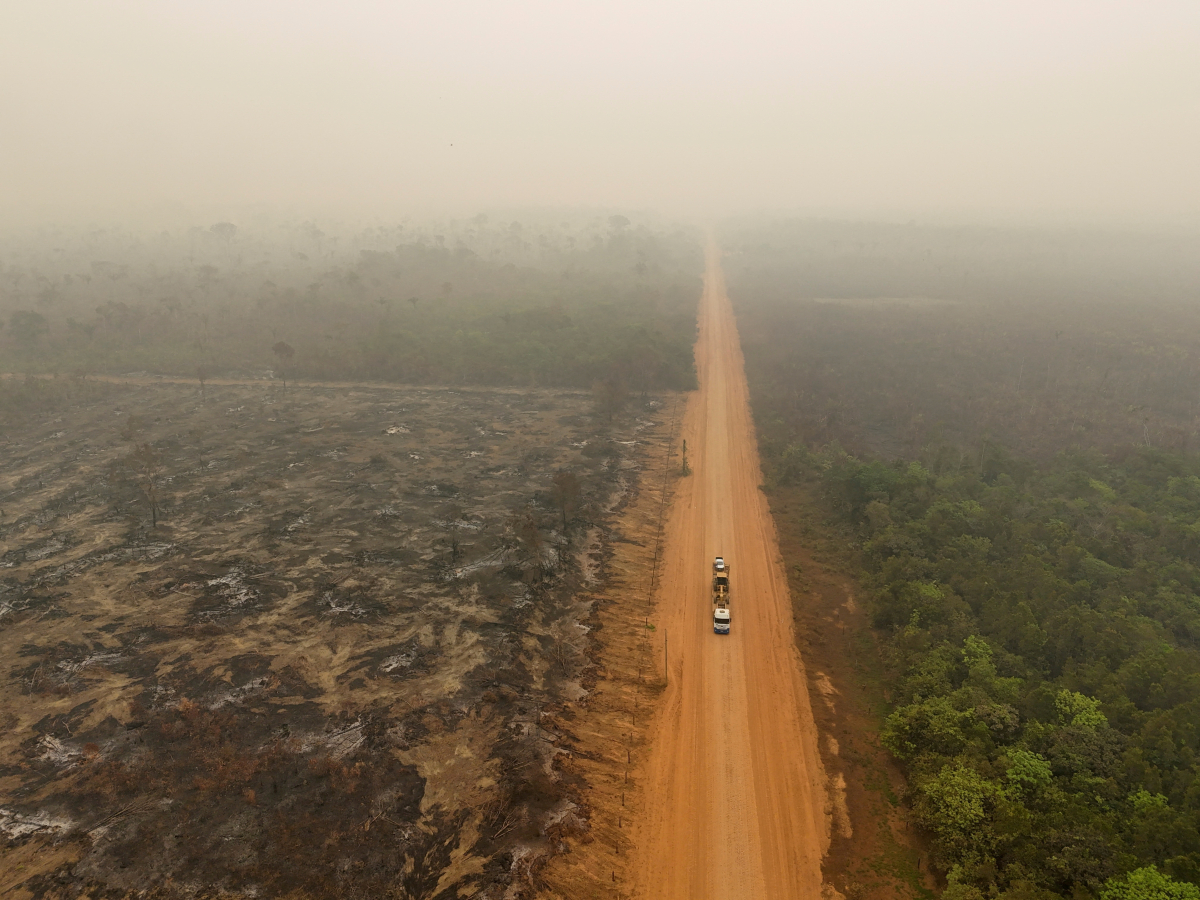
In the tropics, where fire ignition is usually human, drier leaves continued to turn what were once small burns into massive fires.
Rod Taylor, WRI's Global Director for Forests, said that although forests continue to be powerful carbon sinks helping to slow climate change, fires and droughts on a warming planet are increasingly turning these ecosystems into sources of greenhouse gas emissions.
"We're on a kind of knife's edge," he added.

















What is your opinion on this topic?
Leave the first comment