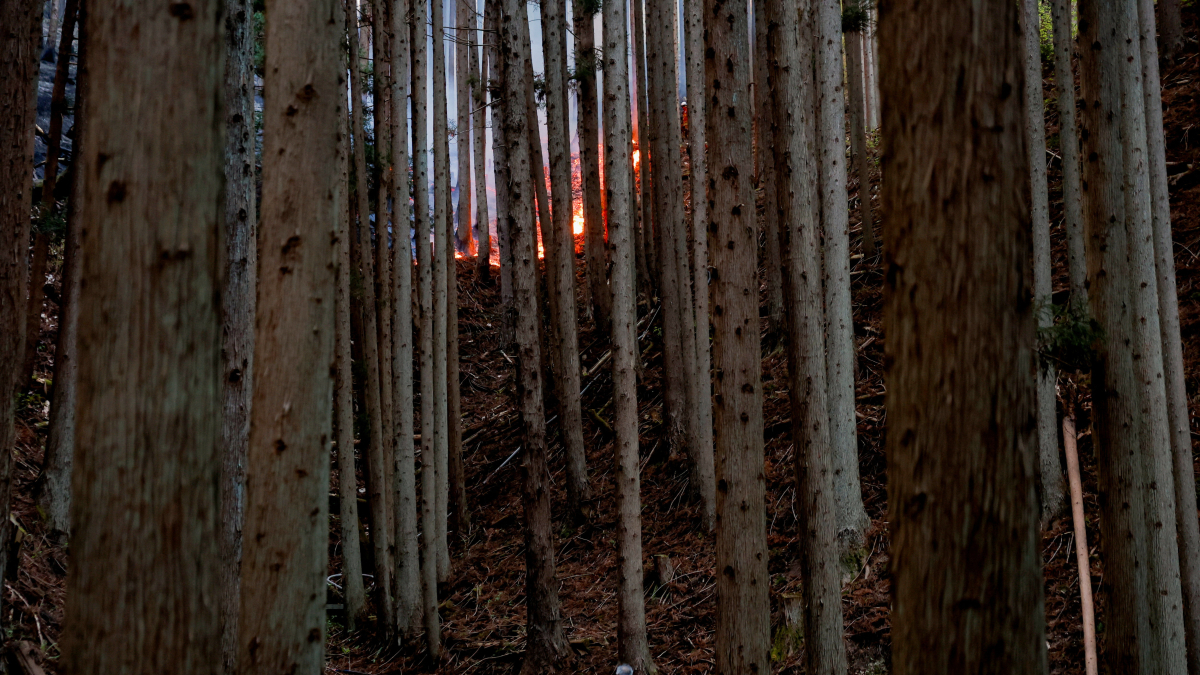
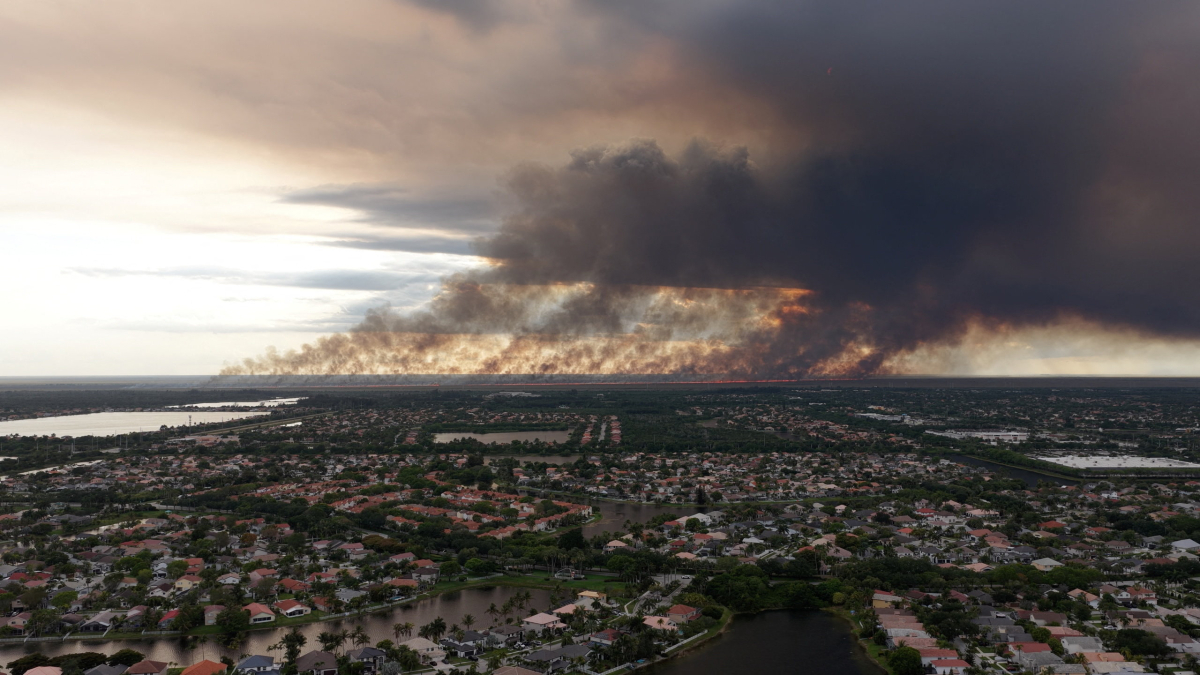
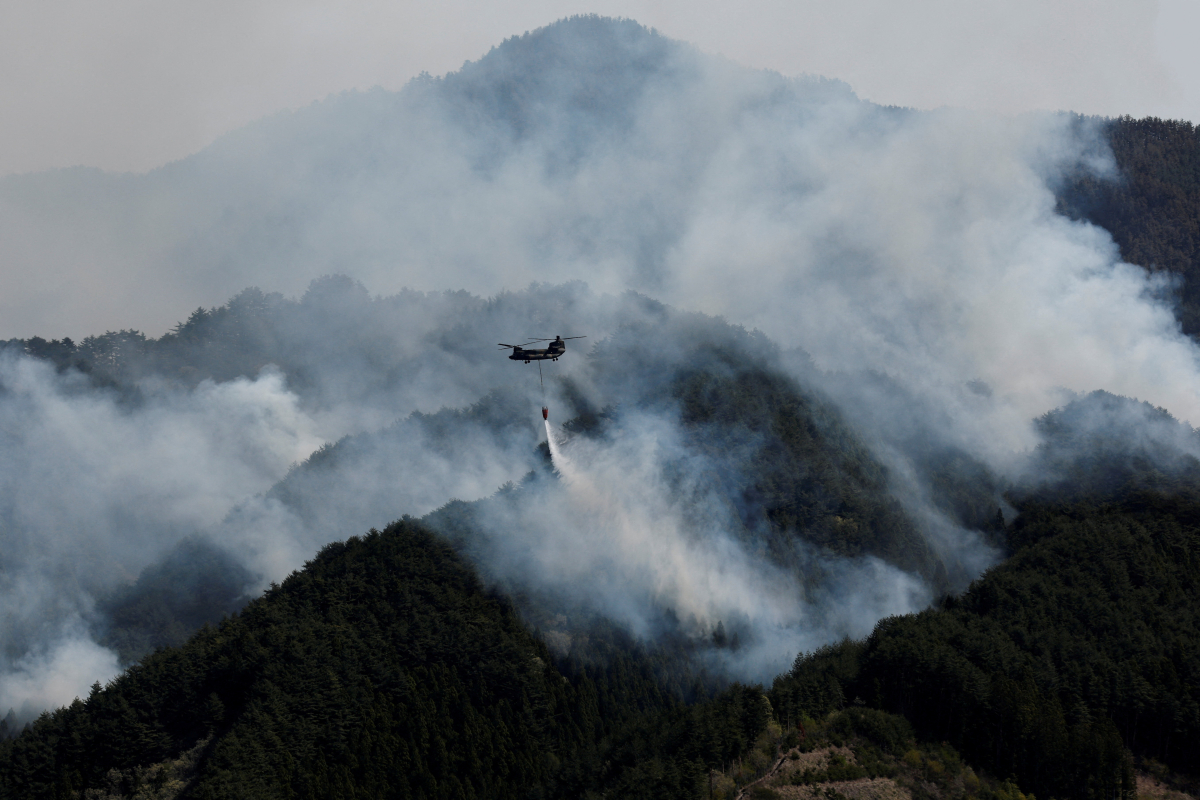
Climate change has driven a record surge in wildfires across Africa, Asia and other regions this year, with scientists warning that conditions are likely to worsen further as the northern hemisphere enters summer and El Niño weather patterns intensify.
Fires between January and April have already burned more than 150 million hectares (370.66 million acres) globally, a 20% increase on the previous record, according to data compiled by World Weather Attribution (WWA), a research group studying the role of global warming in extreme weather.
Scientists say the scale and speed of early-season fire activity is highly unusual, with the risk of further escalation as temperatures rise.
Theodore Keeping, a wildfire expert at Imperial College London and member of WWA, said conditions suggested a “particularly severe year” ahead when combined with expected El Niño development.
Climate conditions and risks
In Africa alone, around 85 million hectares have already burned this year, 23% above the previous record of 69 million hectares. Researchers say the extreme fire activity is being driven by rapid swings between unusually wet and dry conditions, which create dense vegetation followed by intense drought, providing abundant fuel for fires.
In Asia, about 44 million hectares have burned so far this year, nearly 40% above the previous record set in 2014. Countries including India, Myanmar, Thailand, Laos and China have been among the worst affected.
Experts' comments
Scientists warn that wildfire risks could escalate further as El Niño conditions (caused by warming sea surface temperatures in the Pacific Ocean) are expected to develop this month, according to the World Meteorological Organization (WMO).
The pattern typically increases the likelihood of drought in regions including Australia, Indonesia and parts of southern Asia, while raising flood risks elsewhere.
Friederike Otto, a Climate Scientist at Imperial College London and co-founder of WWA, warned that a strong El Niño combined with human-driven climate change could produce “unprecedented weather extremes”, including more severe and widespread wildfires.
Researchers say the coming months will be critical, with already-record-breaking fire activity potentially worsening further if forecast climate conditions intensify as expected.
Read more:















What is your opinion on this topic?
Leave the first comment