live Trump says he will hold off on fresh Iran attack in hope of quick deal
U.S. President Donald Trump said late on Saturday he would hold off on a fresh attack on Iran as long as a deal could be reached quickly to halt Iran'...
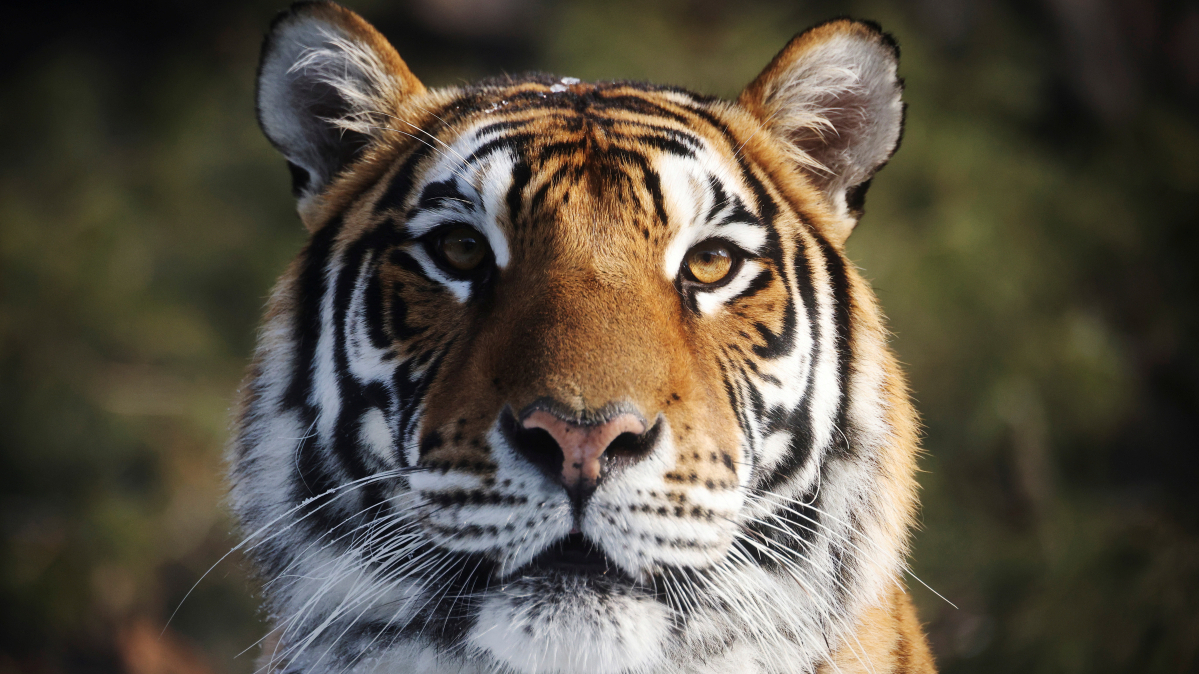
Thai investigators seized more than 100 protected wildlife remains after raiding a souvenir and traditional medicine shop accused of selling wildlife carcasses online.
A suspected wildlife trafficker has been arrested in Thailand for allegedly smuggling protected tiger skins and other animal remains from neighbouring Laos, according to material provided through Reuters Connect.
Police raided the shop in Nakhon Phanom on Tuesday, May 27, after complaints that protected animal parts were being advertised and sold through online channels.
The suspect, identified as Kulkanya, reportedly operated the shop as a front for the illegal wildlife trade while selling animal carcasses online. Authorities said she sourced wildlife remains from Laos before reselling them to tourists visiting Thailand's That Phanom district.
Officers seized more than 100 wildlife remains and parts during the raid, including tiger pelts, clouded leopard pelts, Asiatic golden cat pelts, reticulated python skins, pangolin scales, deer antlers, serow remains and bear remains.
Footage from the operation showed bundles of animal skins, feathers and preserved carcasses stored in plastic baskets inside the shop as investigators catalogued the haul. Police said Kulkanya was wanted over alleged violations of Thailand's Wildlife Conservation and Protection Act.
If convicted, Kulkanya faces up to 10 years in prison and a fine of up to one million baht for illegally trading protected wildlife carcasses. She also faces up to five years in prison and a fine of up to 500,000 baht for illegal possession of protected wildlife carcasses.
Authorities handed her over to investigators for further legal proceedings after the raid. The case highlights Thailand's role as a transit point in regional wildlife trafficking, particularly along cross-border routes from Laos into northeastern Thailand.
Police said the seized remains included several protected species, and the investigation is continuing under wildlife protection laws.

Iran’s army said it targeted U.S. military facilities in Bahrain and Kuwait with drone attacks. Tehran said the operations were carried out in retaliation for recent U.S. strikes.
Start your day informed with AnewZ Morning Brief. Here are the top news stories for the 1st of August, covering the latest developments.
Yemen's Houthi-run maritime coordination body on Saturday denied reports that it planned to charge commercial ships transiting the Bab el-Mandeb Strait. It said no such decision had been made and that passage through the strategic waterway remains free.
Wildfires driven by strong winds spread across several parts of Greece on Saturday, including areas near Athens. Large-scale firefighting efforts and emergency evacuations were underway as wildfire conditions also deteriorated in parts of Spain and France.
U.S. President Donald Trump said late on Saturday he would hold off on a fresh attack on Iran as long as a deal could be reached quickly to halt Iran's nuclear ambitions and reopen the Strait of Hormuz.
Three firefighters have died as wildfires continue to burn across Greece, with Crete facing a second day of intense blazes driven by strong winds. The fires come as Europe battles destructive wildfires fuelled by extreme heat and drought.
An impending "super" El Niño is likely to inflict a combined $10 billion to $20 billion hit on affected African countries and trigger mass migration from hard-hit areas, the African Development Bank's (AfDB) top climate expert said.
Brazil has banned the production and sale of foie gras, the French delicacy made from fattened duck or goose liver. President Luiz Inacio Lula da Silva signed a law late Thursday aimed at ending force-feeding in the country's foie gras industry and stopping imports.
At least 82 people have died after heavy rain triggered devastating floods across northeastern India, Pakistan and Afghanistan this week, with widespread damage to homes, farmland and infrastructure.
Communities in Spain's northwestern Galicia region are bringing back native livestock, including the hardy Cachena breed, to help reduce the risk of devastating wildfires while restoring ecosystems.
You can download the AnewZ application from Play Store and the App Store.
What is your opinion on this topic?
Leave the first comment