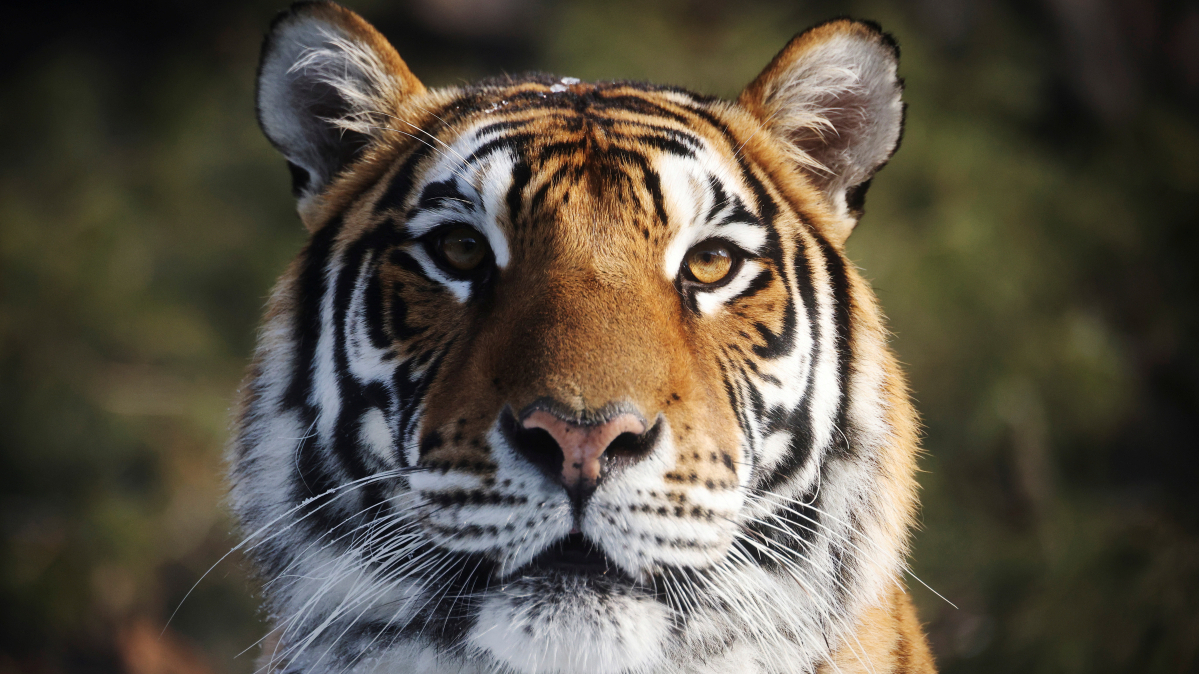
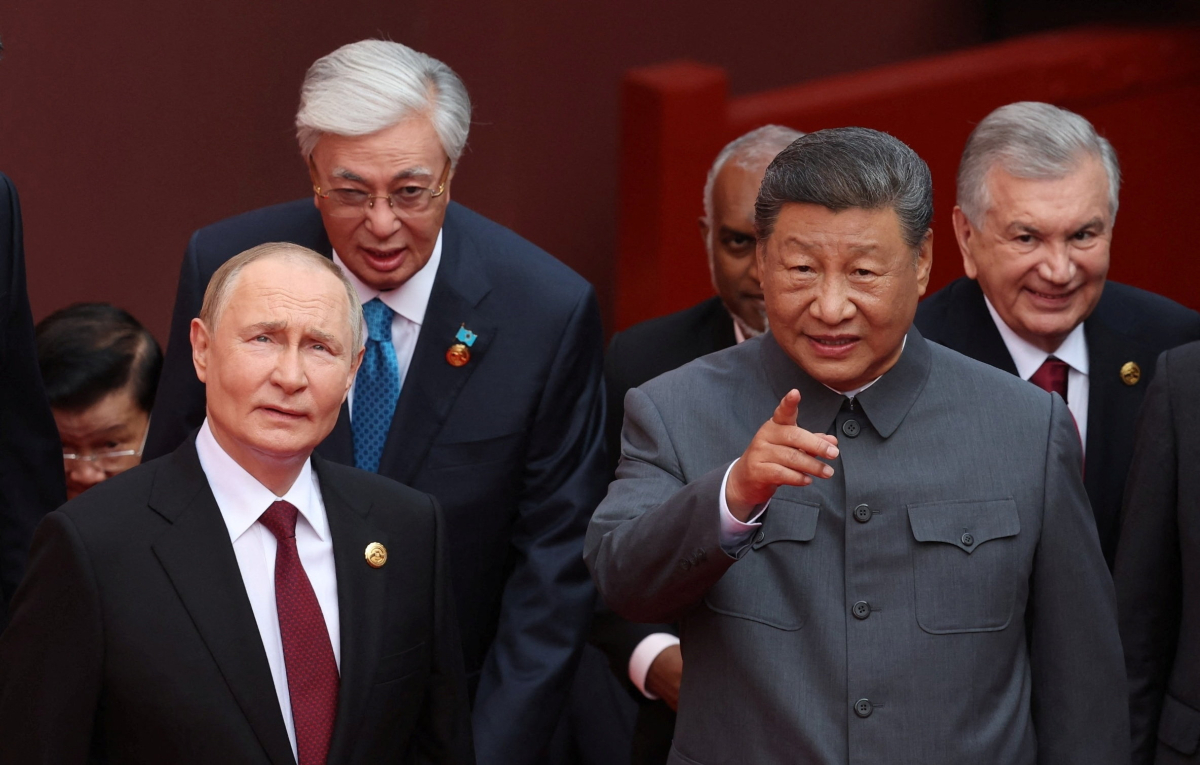
Russian President Vladimir Putin arrives in Kazakhstan late on Wednesday for an unprecedented second state visit to the country in two years. He will gift Astana four Siberian tigers during the trip, as Moscow attempts to bolster its relationship with its closest partner in Central Asia.
Kremlin protocol dictates there should be one state visit to a country during a presidential term. But Moscow said it was making an exception for Kazakhstan “to underscore the unprecedentedly high level of relations between our countries.”
The centrepiece of Putin’s trip is expected to be the signing of an agreement for Russia to help Kazakhstan build a nuclear power plant.
Kazakhstan is the world’s largest uranium producer. But it has had no nuclear power since 1999 when the BN-350 reactor on the shores of the Caspian Sea was decommissioned, after reaching the end of its operational lifespan.
Russia would provide the design for the power plant and 85% of the financing for the project via a loan, according to Kremlin foreign policy aide Yury Ushakov. The power plant is expected to be commissioned in 2035 or 2036.
Russia has established close ties with Kazakhstan due to their Soviet-era economic interdependence, huge land border and their membership of common security and economic organisations. In 2025, trade turnover between the two countries grew to $29 billion.
But in recent years China has challenged Russia’s dominance in the country, through increased trade with Kazakhstan.
Notably, Chinese President Xi Jinping unveiled Beijing's global development strategy, the Belt and Road Initiative, in Kazakhstan in 2013, during a speech in Astana.
The China National Nuclear Corporation (CNNC) also has plans to build a nuclear plant in Kazakhstan.
More than 30 Russian officials and executives will join Putin on the visit, in addition to a 400-strong delegation who will attend Eurasian Economic Union (EAEU) events taking place in the country at the same time.
Expanding Russian oil transit through Kazakhstan to China is also expected to be discussed during Putin’s meeting with President Kassym-Jomart Tokayev.
Russia agreed to raise oil exports through the Atasu-Alashankou pipeline by 2.5 million tons per year to 12.5 million metric tons in 2025.
However, the increase has yet to materialise according to industry sources.
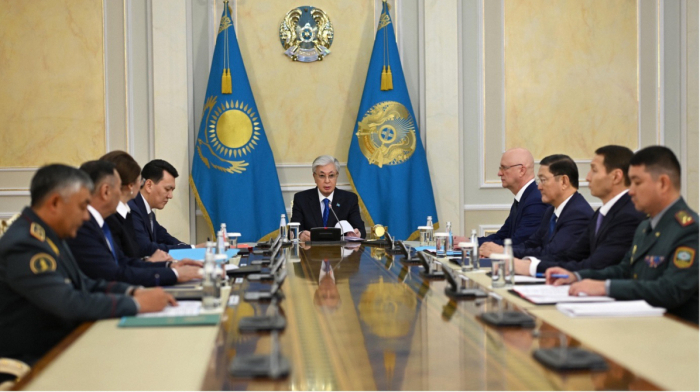
Tokayev will personally receive Putin upon his arrival in the Kazakh capital on Thursday evening. The two leaders will attend the opening of a Russian-built major educational centre in Astana for gifted young people, among other events.
Kremlin aide Ushakov added that Armenia would be on the agenda when leaders from the EAEU, which comprises Armenia, Belarus, Kazakhstan, Kyrgyzstan and Russia, met in the Kazakh capital on Friday.
Armenian Prime Minister Nikol Pashinyan has said his country wants to join the European Union, but Russia has said such a move would be "fundamentally incompatible” with membership of the EAEU.












What is your opinion on this topic?
Leave the first comment