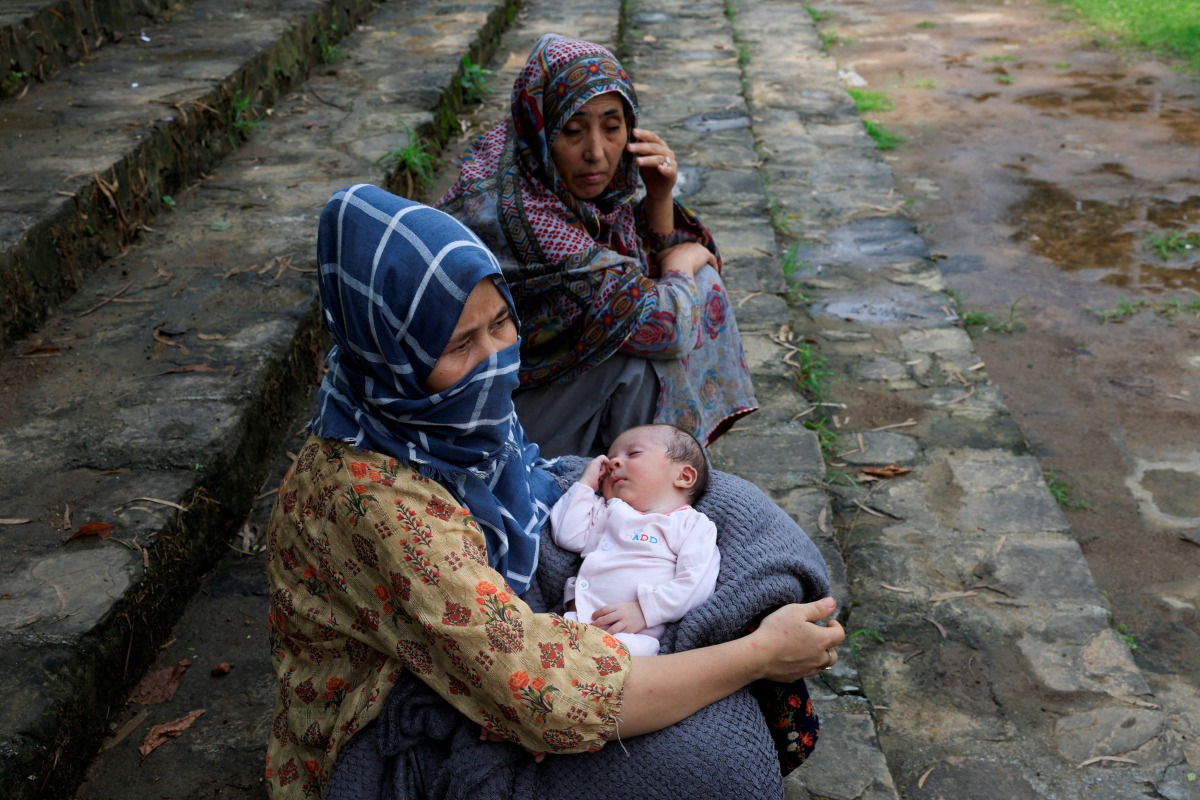
The United Nations has warned that Afghanistan’s worsening humanitarian and economic crises are leaving more people vulnerable to human trafficking, with returnees, women, children and indebted families facing the greatest risks.
The United Nations Office on Drugs and Crime (UNODC) and the International Organization for Migration (IOM) issued the warning on Thursday to mark the World Day Against Trafficking in Persons, calling for stronger efforts to identify victims, prosecute trafficking networks and expand protection for those at risk.
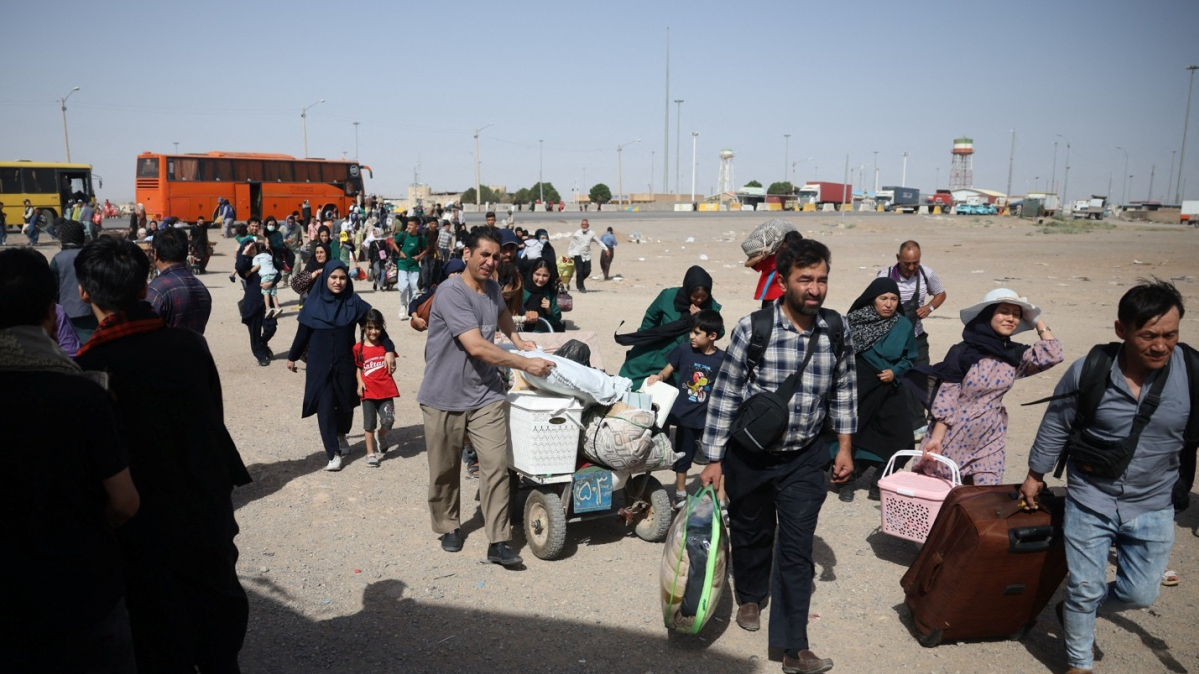
The agencies said Afghanistan’s overlapping crises, including the large-scale forced return of Afghans from neighbouring countries, the decline of the rural opium-based economy, severe cuts to humanitarian assistance, natural disasters and continued restrictions on the rights of women and girls, are increasing people’s vulnerability to trafficking and exploitation.
Economic hardship increasing risks
Polleak Ok Serei, the UNODC country representative for Afghanistan, said the combination of economic and humanitarian pressures was making vulnerable Afghans more susceptible to exploitation.
“Current pressures on the Afghan population such as mass returns, opium eradication without alternative livelihoods, aid cuts, natural disasters and restrictions on women make men, women and children more vulnerable to human trafficking and exploitation.
This underlines the need to strengthen prevention, carefully identify potential victims and ensure access to appropriate protection and assistance,” Ok Serei said.
According to the agencies, only 11% of surveyed returnees were fully employed or owned a business, while 56% of returnee households said they could not meet their basic expenses. Nearly half relied on loans or donations to survive, increasing the risk of exploitative labour, debt bondage and other forms of abuse.
Returnees among the most vulnerable
IOM Afghanistan Chief of Mission Mihyung Park said communities were struggling to absorb the growing number of returnees.
“The scale of returns currently taking place is greater than what Afghan communities can absorb without significant international support. Many returnees arrive with limited resources and face challenges in accessing livelihoods, housing, and basic services.
Without viable opportunities at home, people are more likely to resort to dangerous and irregular journeys, increasing their vulnerability to trafficking, smuggling, exploitation, and abuse.
Supporting returnees and host communities is therefore not only a humanitarian imperative but also an investment in Afghanistan’s stability,” Park said.
The agencies said victims continue to be forced into unsafe work, forced labour, sexual exploitation, slavery-like conditions and, in some cases, organ removal. They also warned that trafficking for forced criminality, including online scam operations, is an emerging global threat.
UNODC and IOM said they are jointly conducting a strategic assessment of trafficking in persons and migrant smuggling in Afghanistan to strengthen victim identification and prevention efforts.
As of publication, there was no public response from Afghanistan’s de facto authorities to the UNODC-IOM joint statement.











What is your opinion on this topic?
Leave the first comment