UNESCO has granted World Heritage status to 10 landmarks of Tashkent's modernist architecture, recognising the buildings that helped redefine Uzbekistan's capital after the devastating 1966 earthquake.
The decision was adopted during the 48th session of the UNESCO World Heritage Committee in Busan, South Korea, under Uzbekistan's nomination, The Modernist Architecture of Tashkent: Modernity and Traditions of Central Asia.
The inscription marks Uzbekistan's first new World Heritage listing in 25 years and makes it the first country in Central Asia and the Commonwealth of Independent States (CIS) to secure UNESCO recognition for a collection of 20th-century modernist architecture.
Architecture that reshaped Tashkent
Rather than recognising a single monument, UNESCO's designation covers a group of public, cultural, residential and engineering landmarks constructed during the second half of the 20th century.
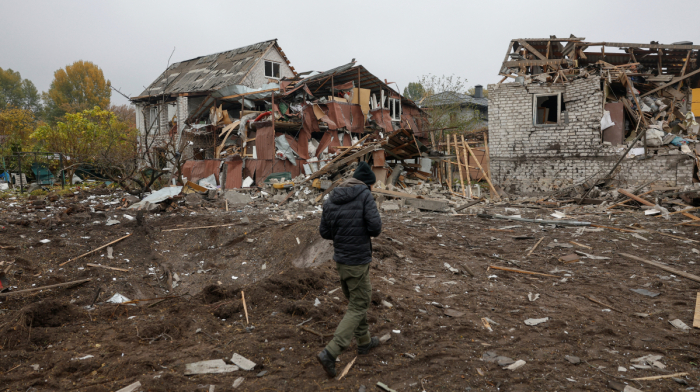
Many of the buildings were designed as part of the city's reconstruction after the 1966 Tashkent earthquake, which destroyed much of the capital. The earthquake struck on 26 April 1966 at 05:23. The city centre experienced intensity of eight to nine on the seismic scale, leaving more than 300,000 people homeless.
Architects combined international modernist principles with traditional Central Asian design, local materials and features adapted to the region's climate, creating an architectural style unique to Uzbekistan.
Ten landmarks gain global recognition
The UNESCO inscription covers 10 landmarks that together tell the story of Tashkent's transformation into a modern capital.
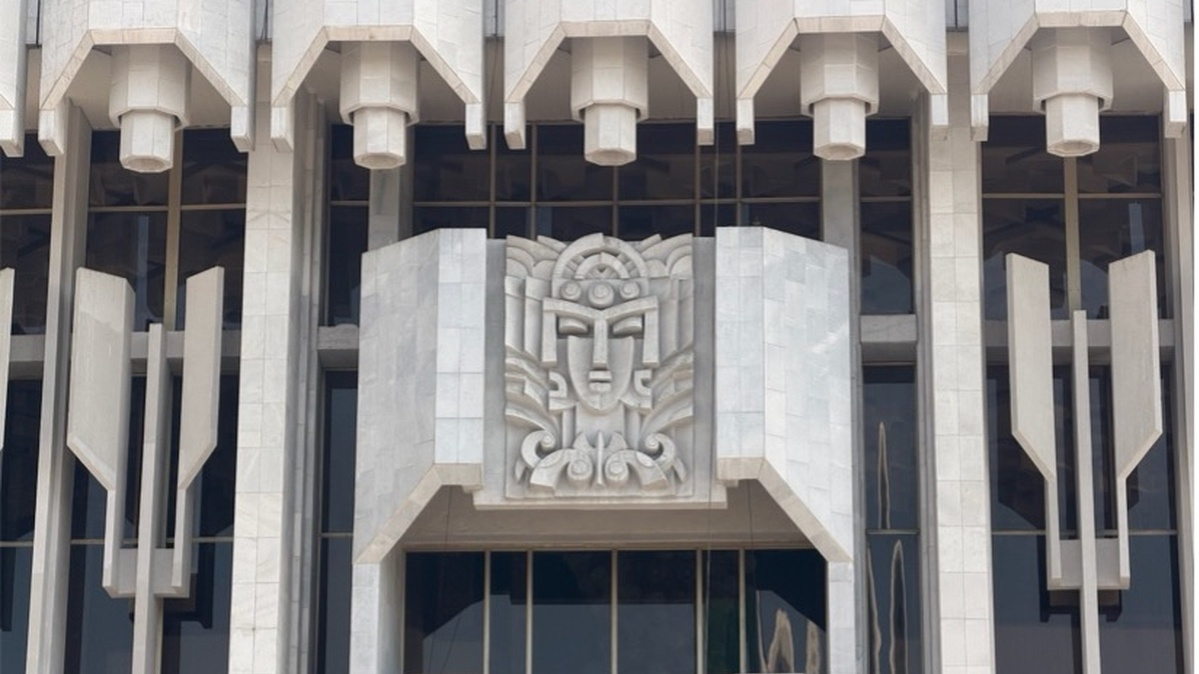
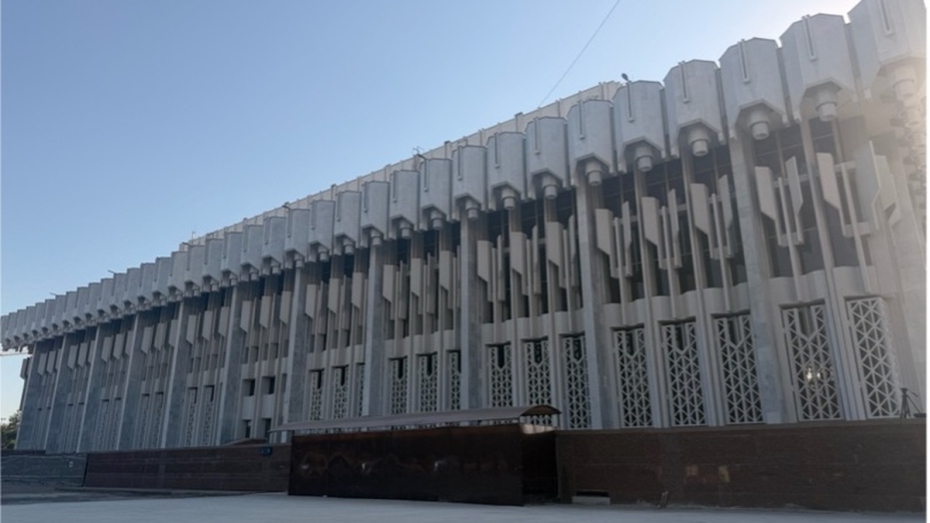
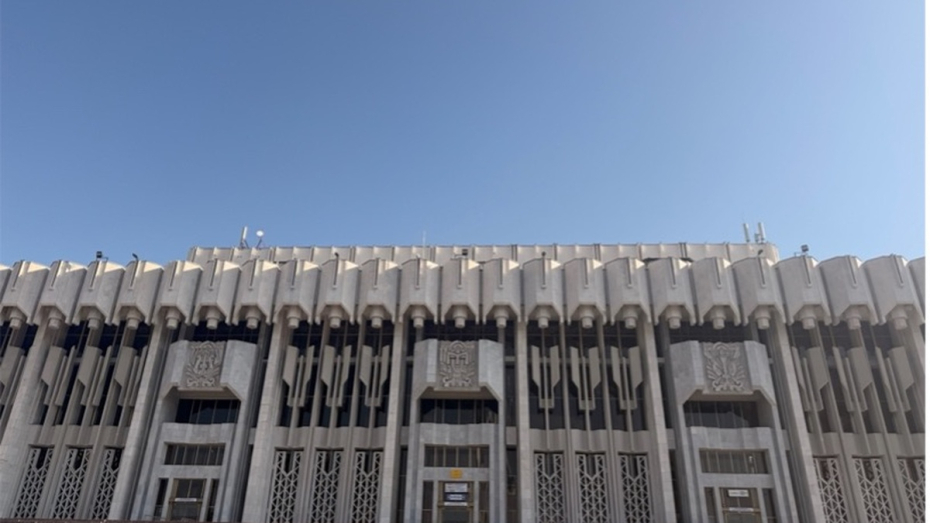
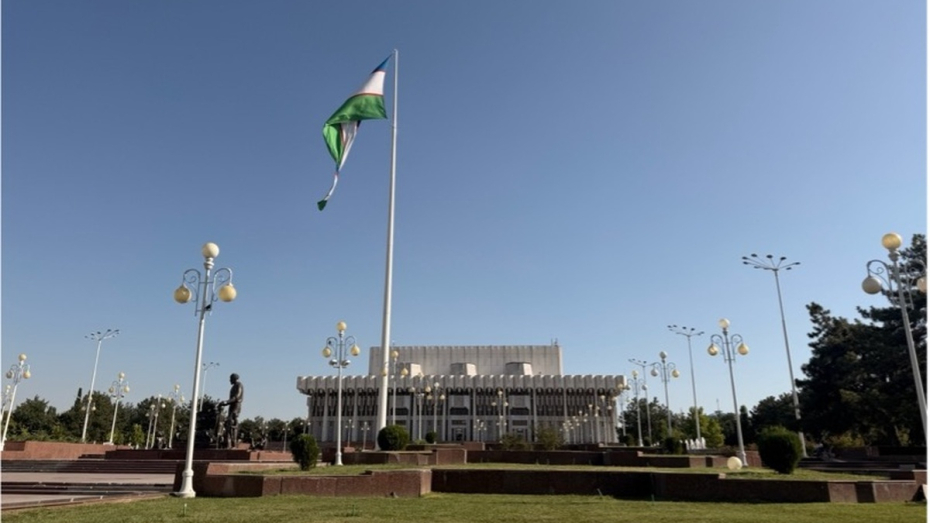
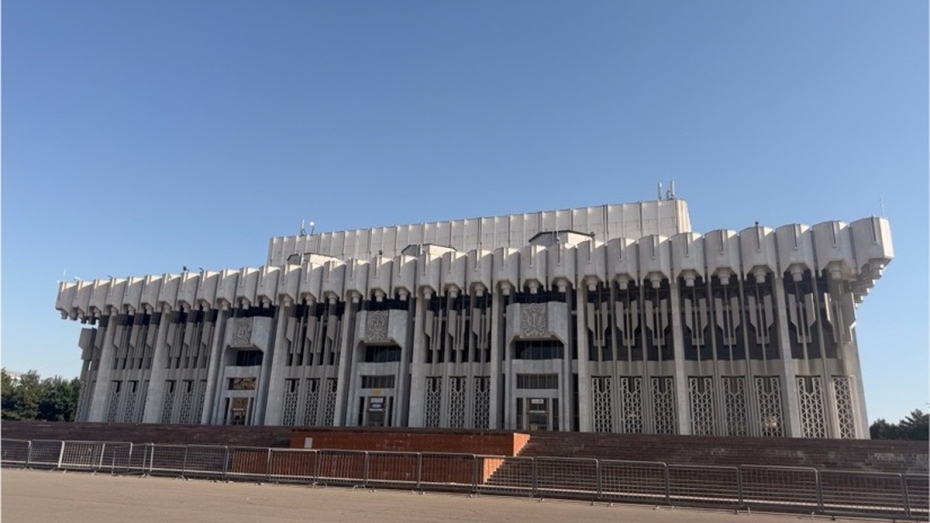
The Friendship of Peoples Palace, one of the city's best-known cultural venues, has hosted concerts, international forums and state ceremonies since opening in 1981. Its sweeping roofline, inspired by traditional Uzbek architecture, has made it an enduring symbol of the capital.
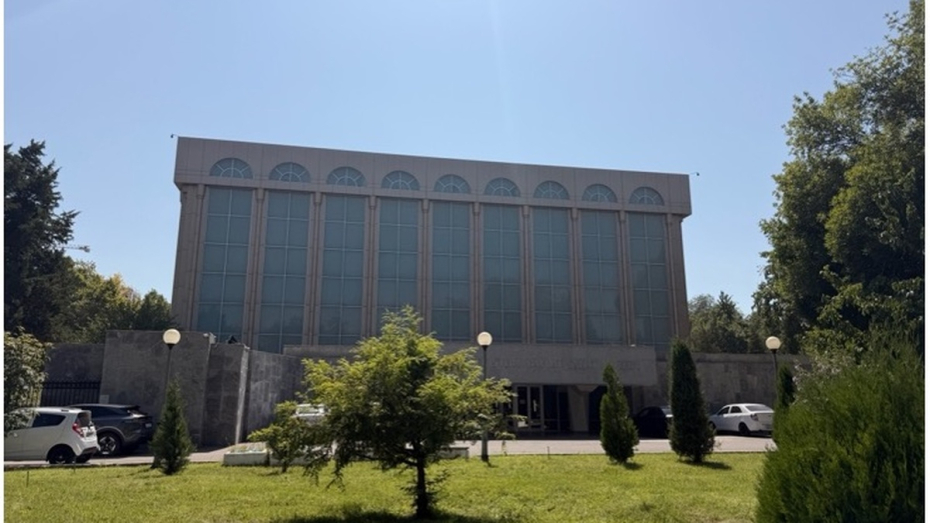
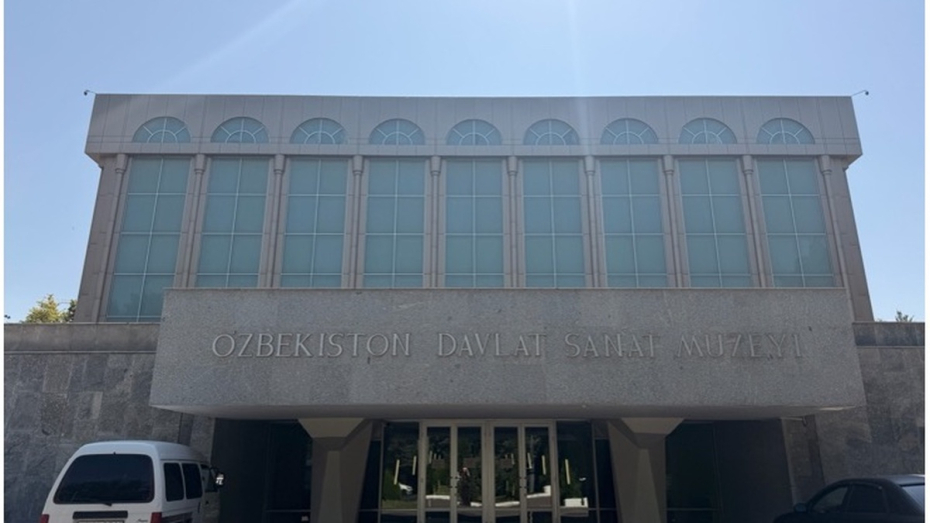
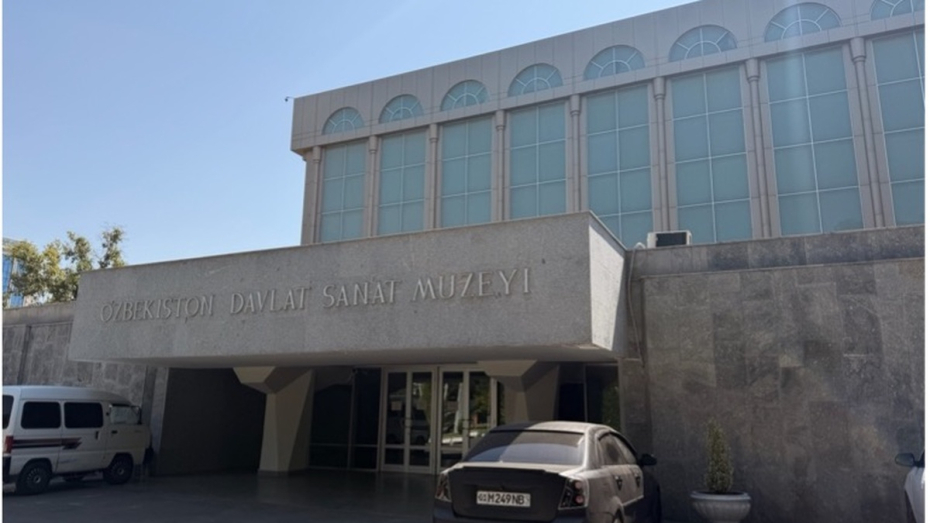
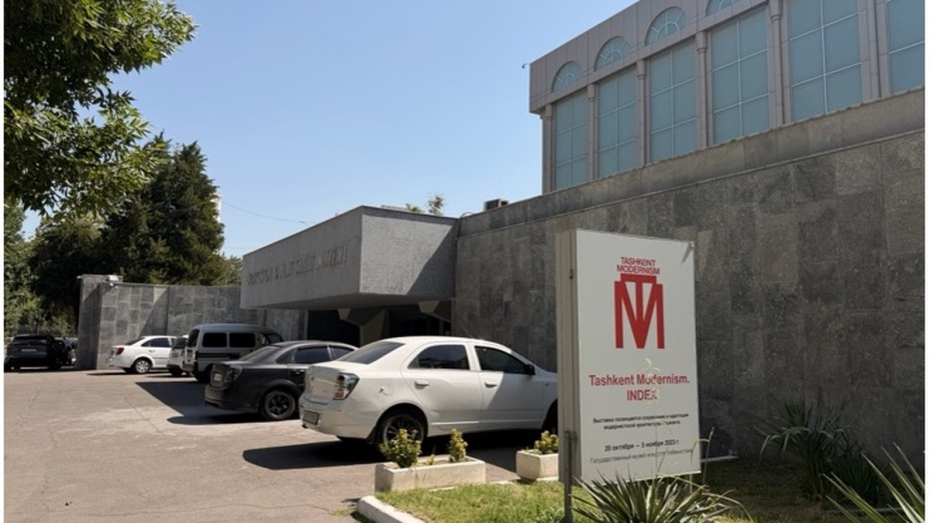
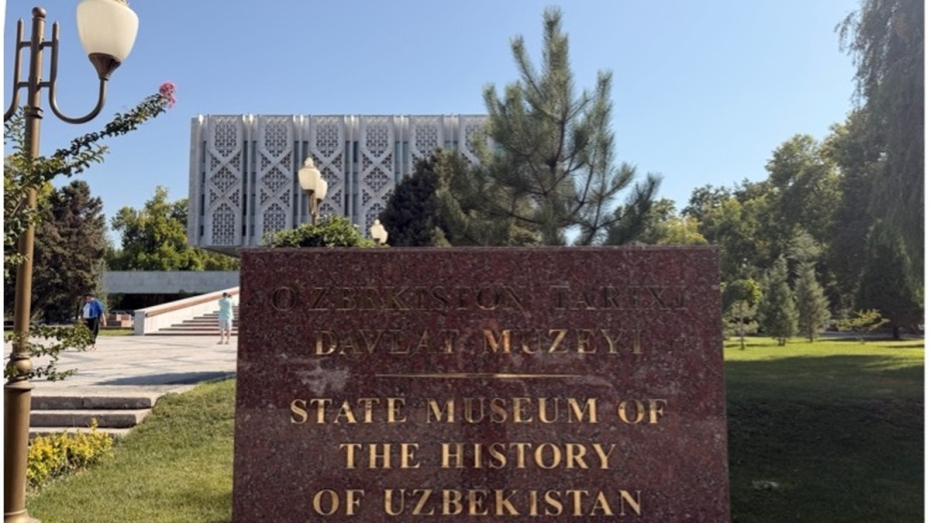
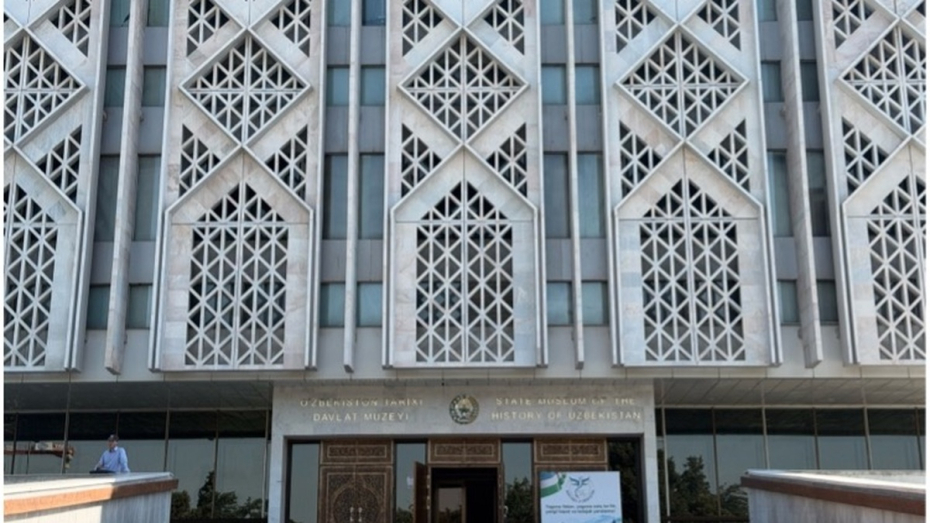
The State Museum of History of Uzbekistan and the State Museum of Arts are regarded as masterpieces of Soviet-era modernist architecture. Both buildings combine bold geometric forms with decorative elements inspired by traditional Uzbek craftsmanship, reflecting the fusion of international architectural trends with local identity.
The iconic Tashkent Circus, distinguished by its large blue dome, remains one of the city's most recognisable landmarks and continues to host performances. Nearby, the Central Exhibition Hall has served for decades as one of Uzbekistan's principal venues for art exhibitions and cultural events.
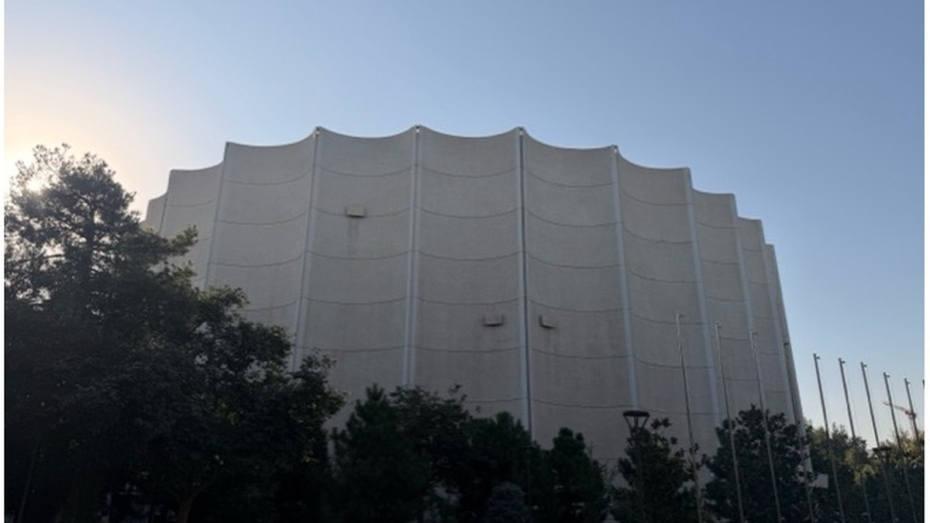
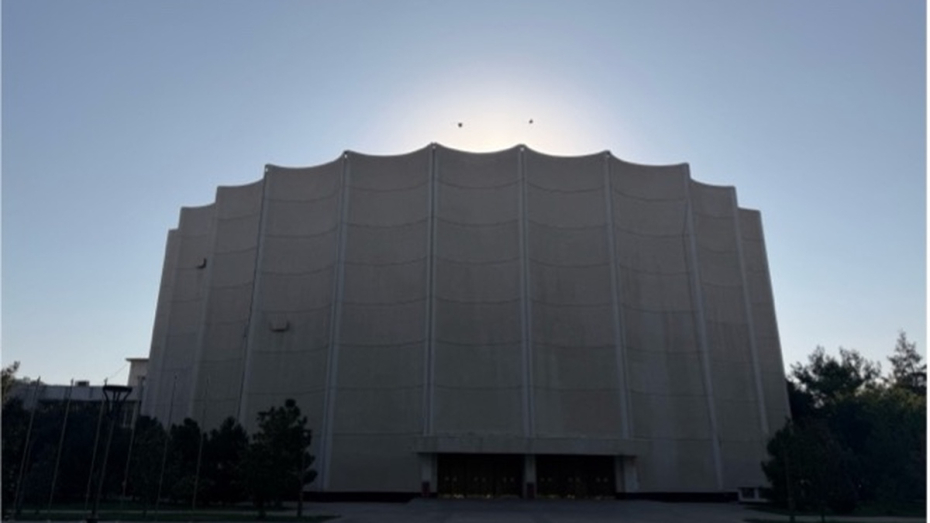
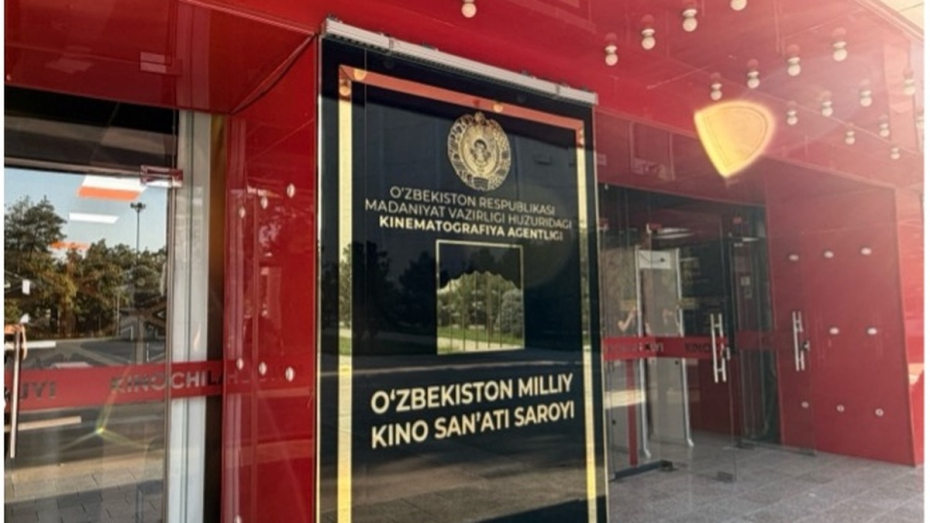
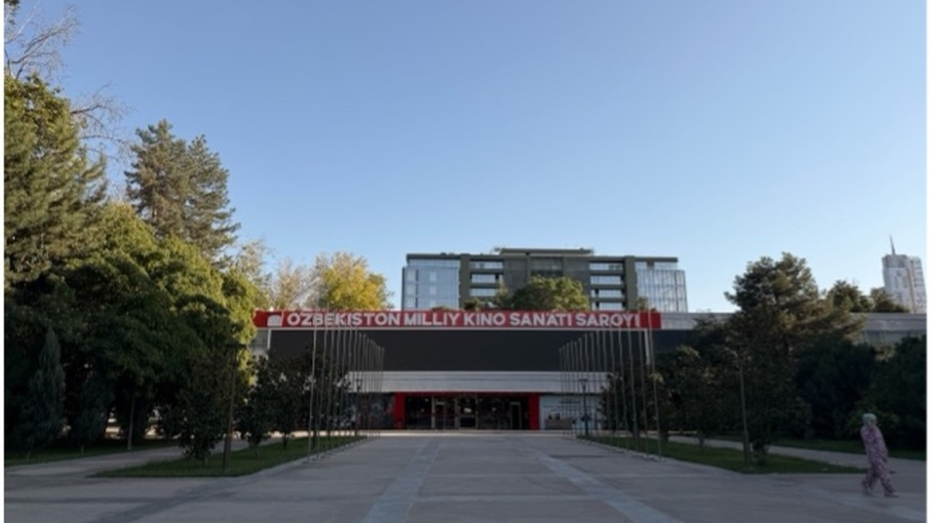
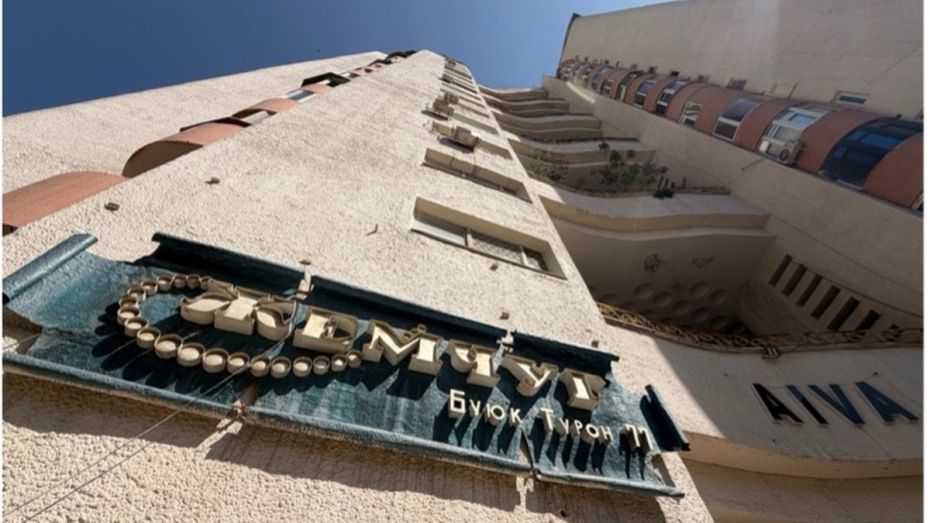
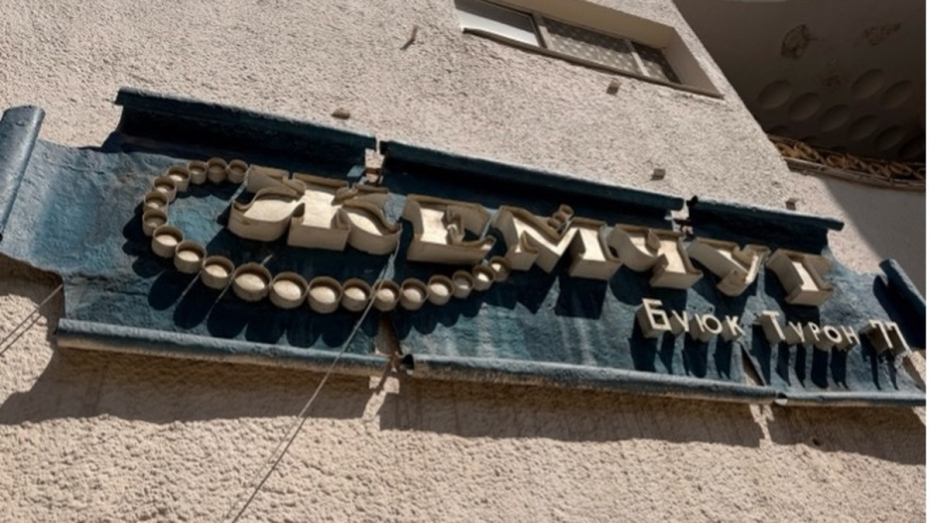
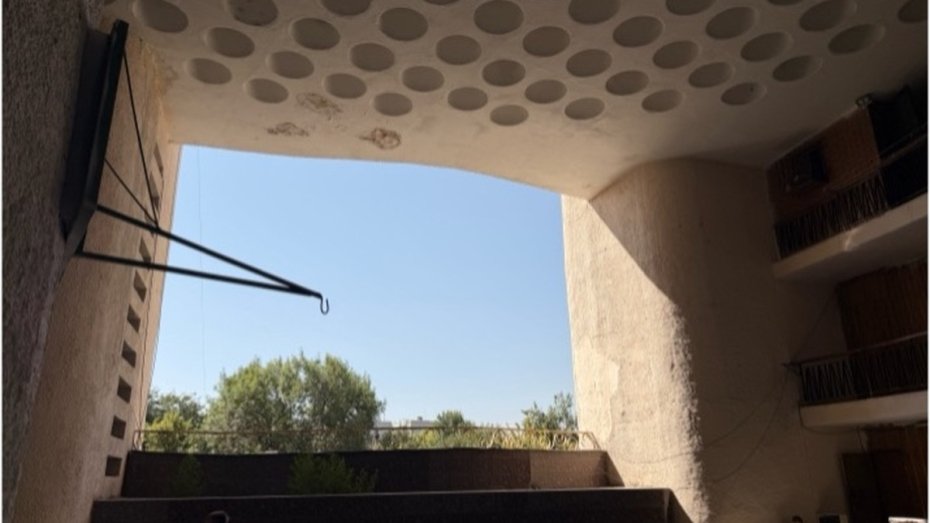
The Palace of Cinema Arts, originally built as the Panoramic Cinema, introduced one of the country's most technologically advanced cinemas of its time. Nearby, the Pearl residential building became an architectural landmark thanks to its distinctive curved balconies, designed to maximise natural light and ventilation while giving the structure its distinctive appearance.
The list also includes Chorsu Bazaar, where the modern blue-domed market building, completed in the 1980s, stands on the site of one of Central Asia's oldest trading centres, preserving centuries of commercial tradition in a contemporary architectural form.
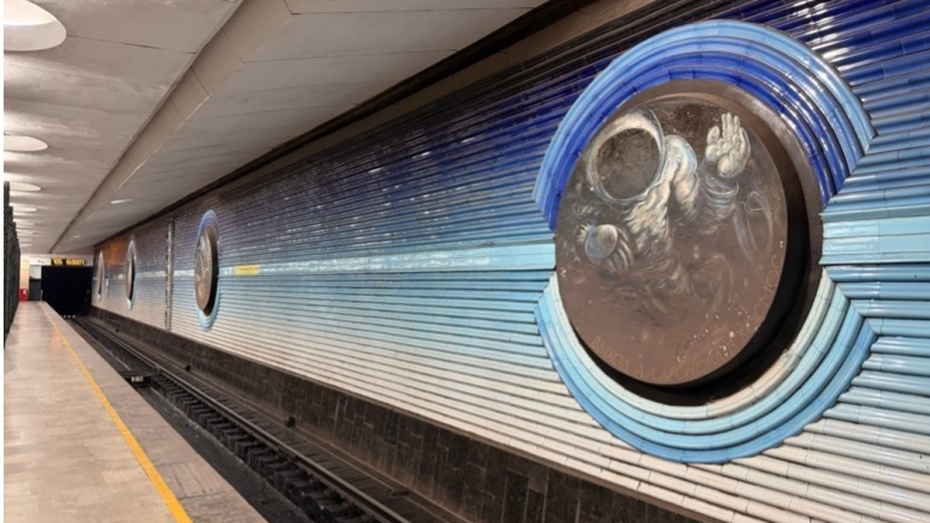
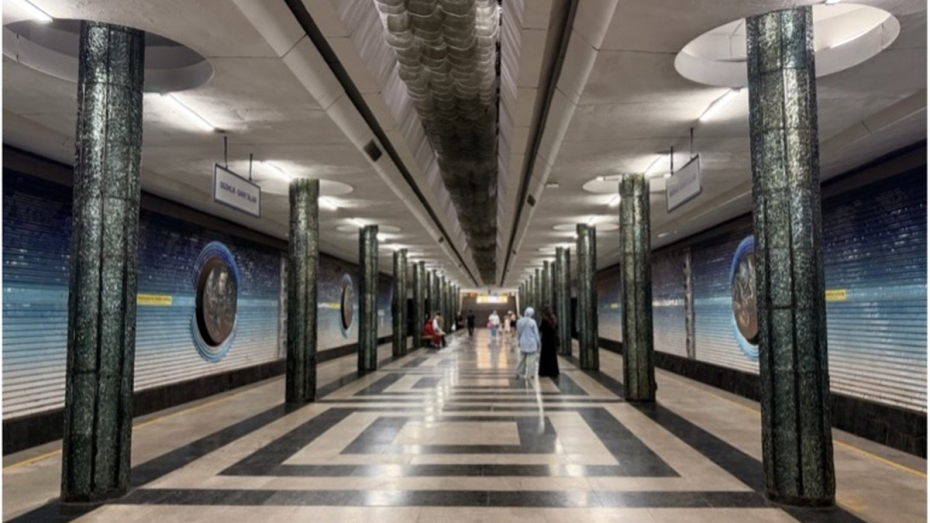
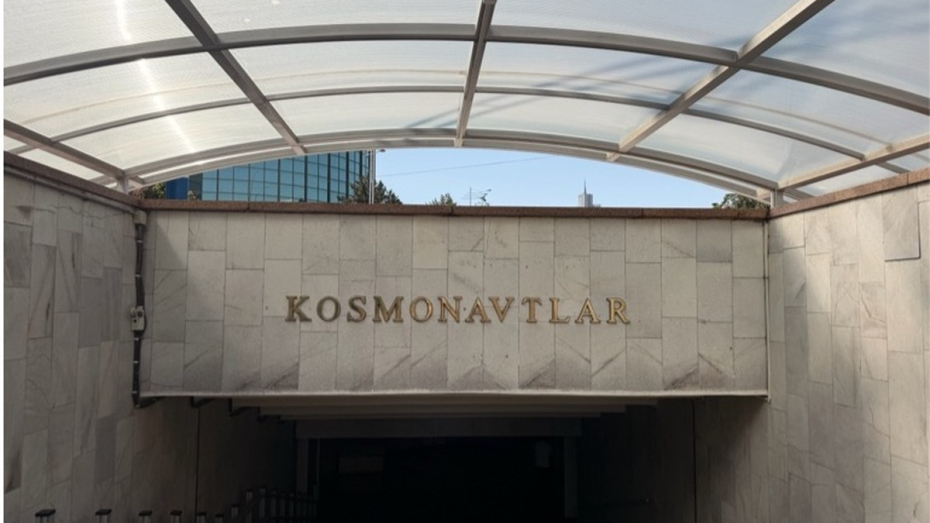
Another newly recognised site is Kosmonavtlar Metro Station, widely considered one of the most beautiful stations on the Tashkent Metro. Opened in 1984, its deep blue marble interiors and portraits of Soviet cosmonauts pay tribute to the history of space exploration.
Completing the UNESCO listing is the Sun Heliocomplex in the Tashkent region. Built during the 1980s, the scientific research facility was among the world's largest solar furnaces and remains an important centre for research into high-temperature materials and renewable energy technologies.
Milestone for Uzbekistan
Chairperson of the Uzbekistan Art and Culture Development Foundation and head of the National Commission for UNESCO, Gayane Umerova, described the inscription as the return of an important chapter of Uzbekistan's architectural history to the global heritage landscape.
She said the buildings demonstrate how Tashkent used architecture to shape public life, collective identity and visions of the future, adding that UNESCO recognition also places a long-term responsibility on Uzbekistan to preserve the sites and pass their significance on to future generations.
Head of the Presidential Administration Saida Mirziyoyeva said the recognition reflects the value of an entire era in which Tashkent was rebuilt after the earthquake, successfully combining modern architecture with Central Asian traditions and climate-responsive design.
Global recognition
Before the latest decision, Uzbekistan had seven UNESCO World Heritage properties - five cultural and two natural. The new inscription increases the country's total to eight.
The designation also places Uzbekistan among a small group of countries whose modernist architecture has been recognised as having Outstanding Universal Value by UNESCO, highlighting the international significance of the country's post-war architectural legacy.
Read more from Uzbekistan:














What is your opinion on this topic?
Leave the first comment