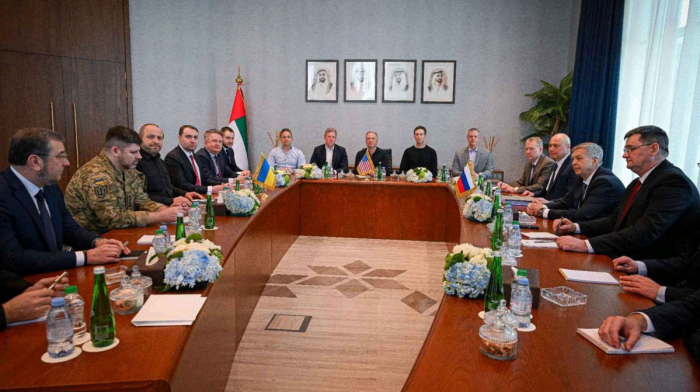
U.S. envoy Jared Kushner said Washington believes Russian President Vladimir Putin is prepared to reach a peace agreement under the right conditions, as Russian and Ukrainian delegations began a new round of U.S.-mediated negotiations in Abu Dhabi on Tuesday, 10 November.
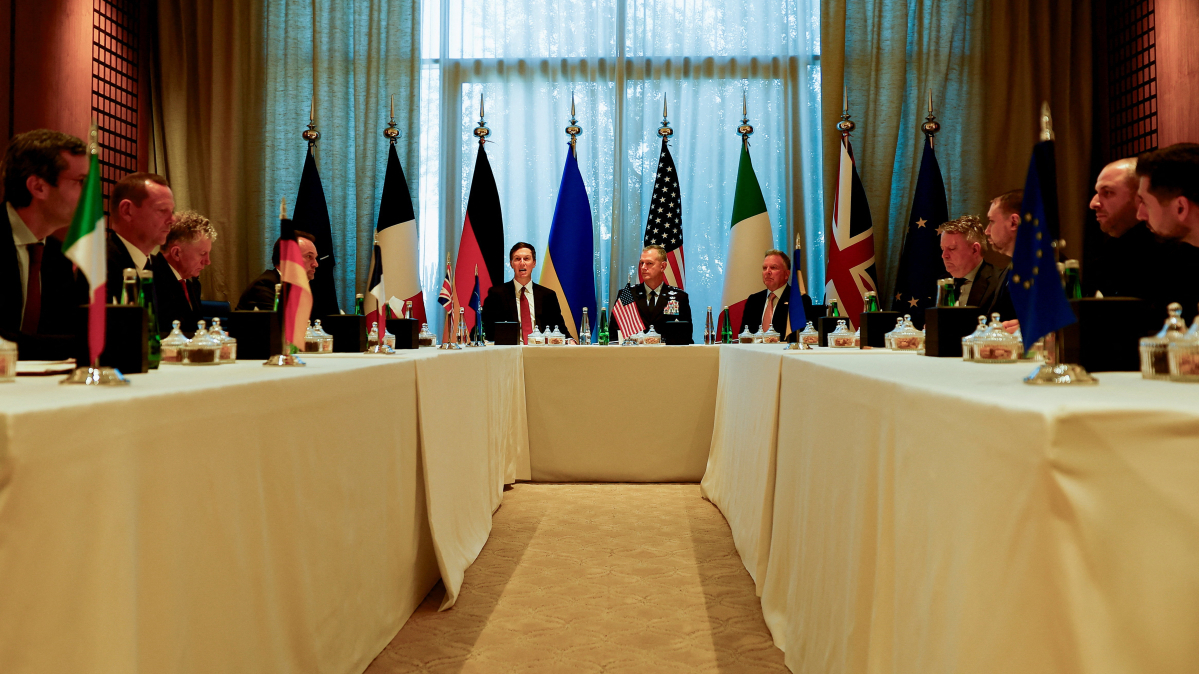
Speaking at the opening session, Kushner said U.S. negotiators had held extensive discussions with Russian President Vladimir Putin and Ukrainian President Volodymyr Zelenskyy over the past two months. He said the talks had narrowed key differences and helped identify possible compromises, although no agreement had been announced.
The two-day negotiations, the first U.S.-brokered round since February, bring together Russian presidential aide Vladimir Medinsky, Ukraine's chief negotiator Rustem Umerov and the two American envoys.
Territorial disputes, security guarantees and the future of European security remain central obstacles to ending the war.
U.S. believes Putin is ready for peace
Kushner told negotiators that European officials had repeatedly questioned whether Putin was genuinely prepared to end the conflict.
“From what Steve and I have heard from him, we can say very strongly we believe so, under the right conditions,” Kushner said, referring to his discussions with Witkoff and the Russian president.
He acknowledged that Moscow had raised similar questions about the willingness of Ukraine and its European partners to reach a settlement.
The assessment represents Washington's view of Putin's intentions, rather than a new commitment announced by the Russian president.
Kushner said American officials had maintained almost daily contact with both sides over the past two months.
“We've really identified, narrowed the gaps as to what we need to get through, and I think we have some good ideas on how to bridge it,” he said.
He added that several proposals under discussion had been developed through consultations involving Washington, Kyiv and European partners.
U.S. Air Force General Alexus Grynkewich, NATO's Supreme Allied Commander Europe, also highlighted progress made through earlier military-level negotiations involving Russia, Ukraine and the U.S.
“We've made some great progress in the past in a military-to-military dialogue in a trilateral format,” Grynkewich said, expressing hope that the latest discussions would help lay the foundations for lasting peace.
Ukraine puts security guarantees at the centre
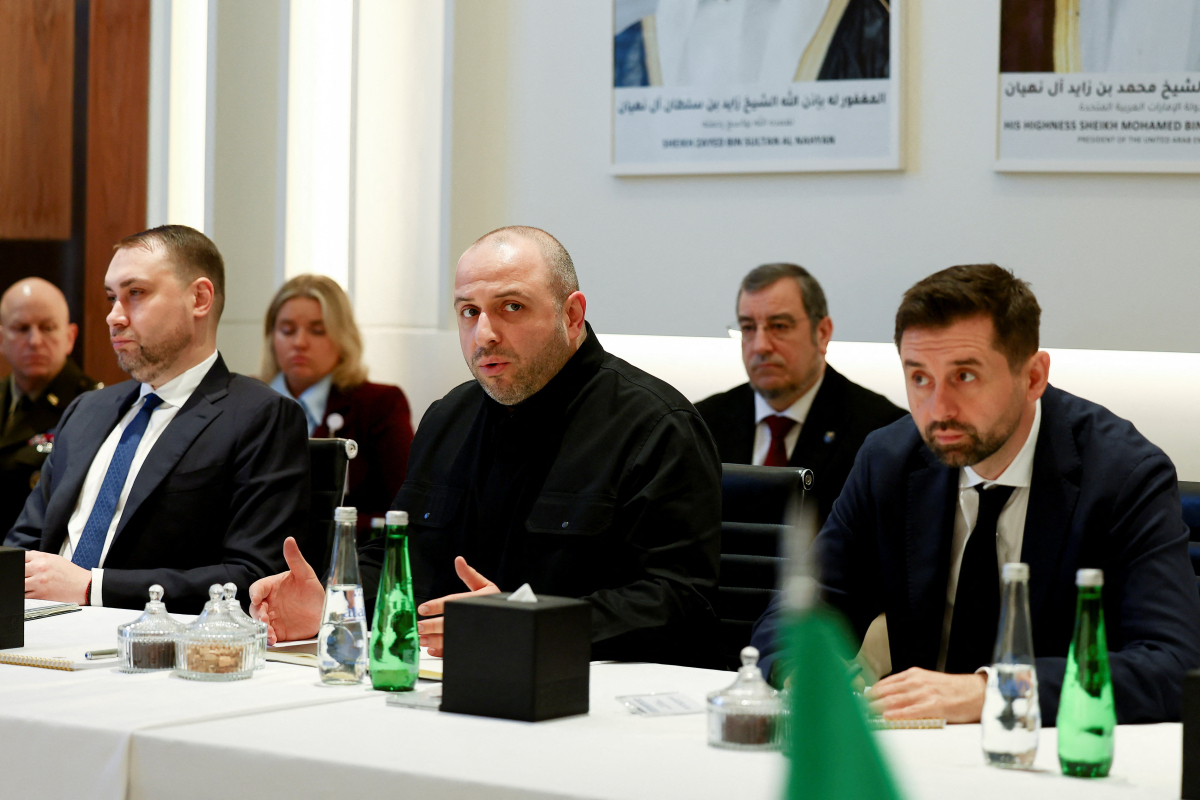
Ukraine's chief negotiator, Rustem Umerov, said Kyiv had received a mandate from Zelenskyy to address the issues necessary to end the war.
“We have a mandate from President Zelenskyy to discuss all the issues our people are waiting to end this war,” Umerov told the opening session.
He emphasised the need for a settlement that would prevent renewed fighting.
“For Ukraine, it is security guarantees,” he said.
Before the trilateral negotiations began, Umerov said Ukrainian officials had met separately with European, NATO and EU representatives, as well as Kushner and Witkoff.
“We are doing everything to ensure that Europe is a participant in the diplomatic process,” he said.
Europe seeks a place in the negotiations
European participation has become a significant point of contention as negotiators consider the wider security consequences of any agreement.
France said a lasting peace in Ukraine would require addressing European security and involving European governments in the diplomatic process.
Russia, however, has opposed direct European participation in the talks with Ukraine and the U.S.
Kushner said American negotiators had been working closely with European partners, including during the two months leading up to the Abu Dhabi meeting.
He argued that the negotiations should go beyond ending the fighting to establish a broader security relationship between Russia, Ukraine and Europe.
According to Kushner, the aim is to build on existing European security institutions and agreements while examining arrangements that failed to prevent the conflict.
A source in the Russian delegation told Reuters that Moscow expected the talks to focus heavily on the elements of a new post-war European security framework.
Witkoff also addressed the issue on Tuesday, referring to discussions about building on existing European security institutions and agreements following the war.
The competing positions leave open a central question: whether a settlement can satisfy Ukraine's security requirements, Russia's demands and the concerns of European governments.
What is happening in Abu Dhabi?
Russian and Ukrainian officials are meeting in the United Arab Emirates for two days of negotiations mediated by the U.S., following months of intermittent diplomatic efforts.
The talks are the first U.S.-brokered meeting between the two sides since February.
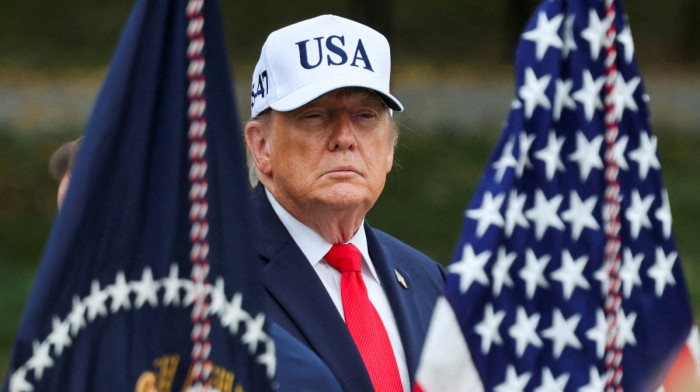
Trump raised expectations ahead of the negotiations, saying Washington was seeing a “very strong inclination” towards ending the conflict and suggesting that both sides were tired of fighting.
He made the remarks after meeting privately with an envoy of Putin at the White House last week.
However, previous predictions by Trump that an agreement was close have not resulted in a settlement.
The latest round follows renewed diplomatic activity after Washington's attention had been focused for months on the war in Iran.
The Russian and Ukrainian delegations arrived with sharply different positions on the territorial and security arrangements that would underpin any peace agreement.
Russian delegation chief Vladimir Medinsky expressed hope that the expanded negotiations would help advance peace in the interests of the Russian and Ukrainian peoples.
His remarks at the opening session indicated Moscow's willingness to continue discussions, although the Russian delegation did not announce any change to its territorial demands.
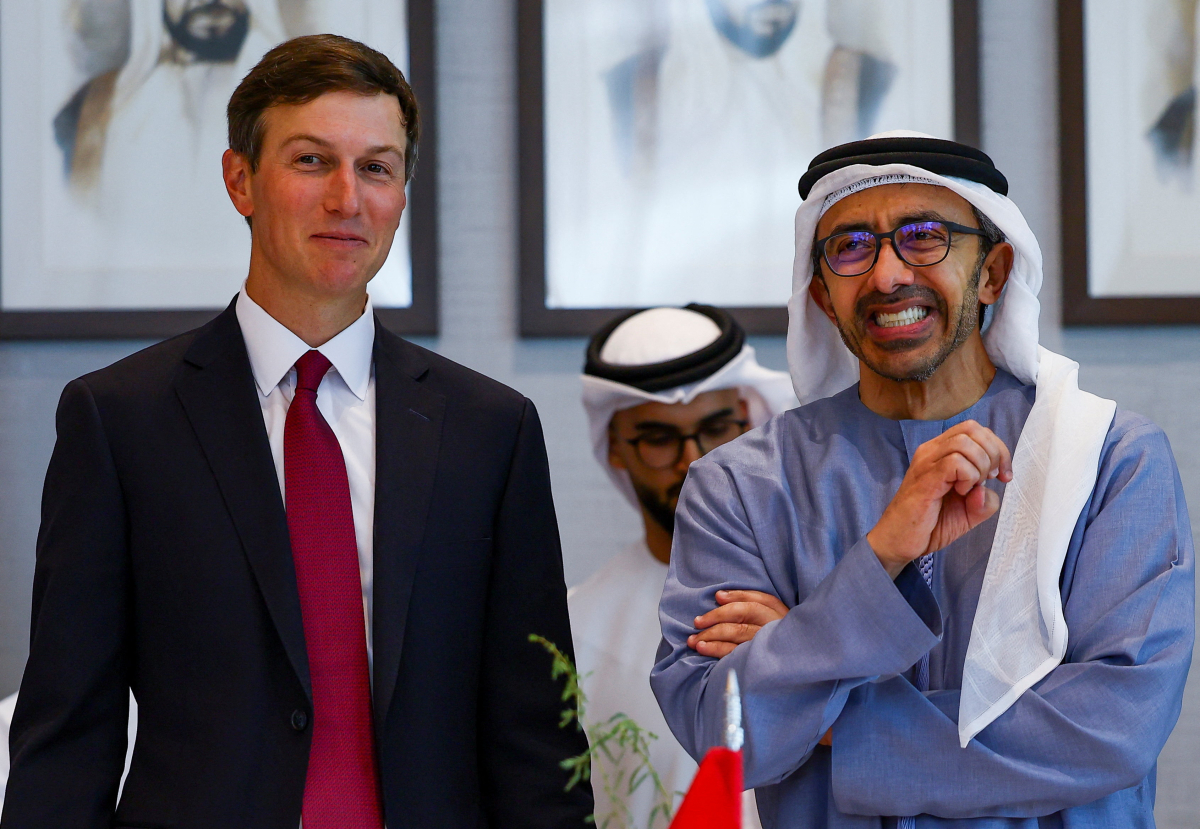
The United Arab Emirates welcomed the delegations and reaffirmed its support for diplomatic efforts to end the conflict.
An Emirati representative thanked the participating governments for their confidence in the UAE as host and praised Washington's mediation efforts.
The UAE has previously hosted talks involving the parties, including the February round referenced by Kushner.
Negotiations are scheduled to continue on Wednesday, 11 November, with discussions expected to focus on territorial disputes, security guarantees and the framework for post-war European security.











What is your opinion on this topic?
Leave the first comment