Uzbekistan and Italy's Tuscany region have agreed to expand cooperation in trade, investment, education and culture following talks between President Shavkat Mirziyoyev and Tuscany Governor Eugenio Giani in Tashkent.
The meeting focused on strengthening the Uzbek-Italian strategic partnership, with particular emphasis on expanding interregional cooperation and launching new joint projects.
Officials said bilateral relations have continued to gather pace, with trade between Uzbekistan and Italy increasing by 25% since the beginning of the year.
Italian companies are currently involved in projects across Uzbekistan's metallurgy, energy, agriculture and chemicals sectors, reflecting growing economic ties between the two countries.
Building on historical links
During the meeting, both sides highlighted the centuries-old relationship between Uzbekistan and Tuscany, dating back to the Silk Road era, when merchants and diplomats from Florence maintained close contacts with the court of Amir Timur.
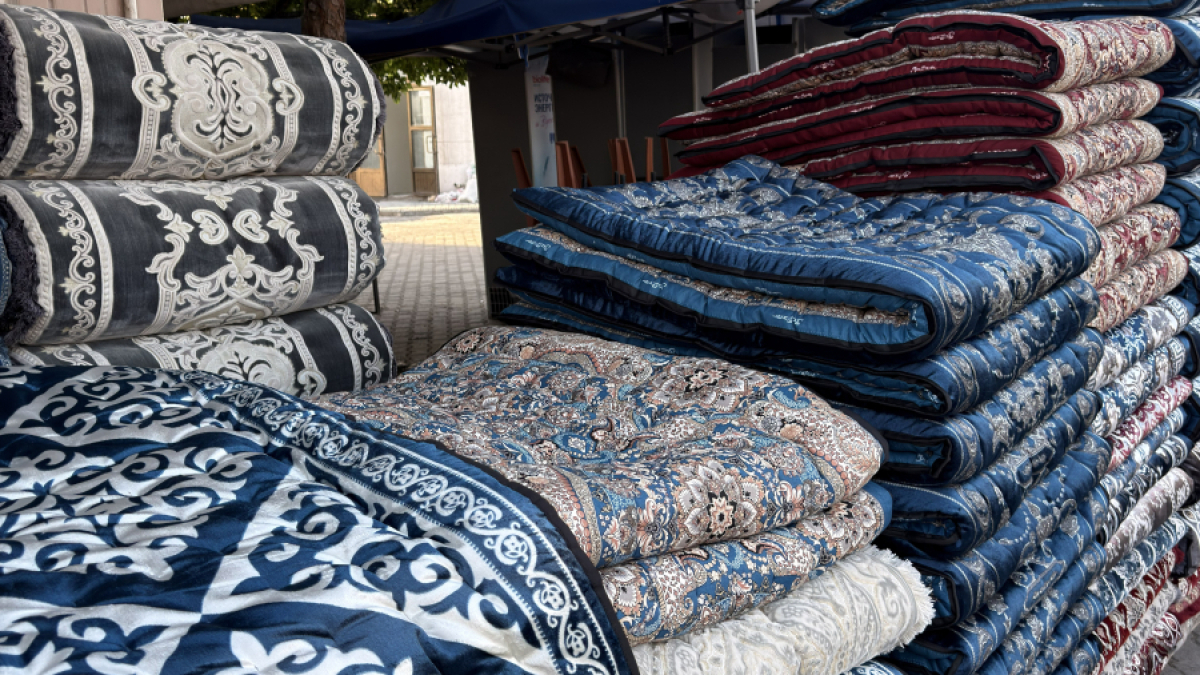
Those historical ties continue to shape modern cooperation. The University of Pisa's branch campus in Tashkent is set to graduate its first cohort of students this year, while the Italian city of Prato hosts a trade house promoting Uzbek textile products.
In 2024, Florence's renowned Uffizi Gallery also hosted an exhibition dedicated to Uzbek avant-garde art.
New opportunities across key sectors
President Mirziyoyev highlighted the strong potential for expanding cooperation with Tuscany across a range of industries, including textiles, leather manufacturing, food processing, jewellery production and construction.
The two sides also identified education, tourism and cultural exchanges as promising areas for future cooperation.
Officials welcomed the recently signed cooperation agreement between Tuscany and Uzbekistan's Bukhara region, describing it as an important step towards strengthening regional partnerships.
Roadmap for future cooperation
At the conclusion of the talks, Uzbekistan and Tuscany agreed to prepare a joint roadmap outlining new investment projects and initiatives aimed at deepening cooperation between Tuscany and Uzbekistan's regions.
Tuscany is one of Italy's most economically developed regions, known for its advanced manufacturing sector, agriculture, globally recognised wine industry and tourism. Its capital, Florence, is widely regarded as the birthplace of the Renaissance and remains one of Europe's leading cultural and artistic centres.
The latest agreements reflect Uzbekistan's broader efforts to strengthen economic partnerships with European regions while expanding cooperation beyond national governments to include regional authorities, businesses and educational institutions.
Read more:


















What is your opinion on this topic?
Leave the first comment