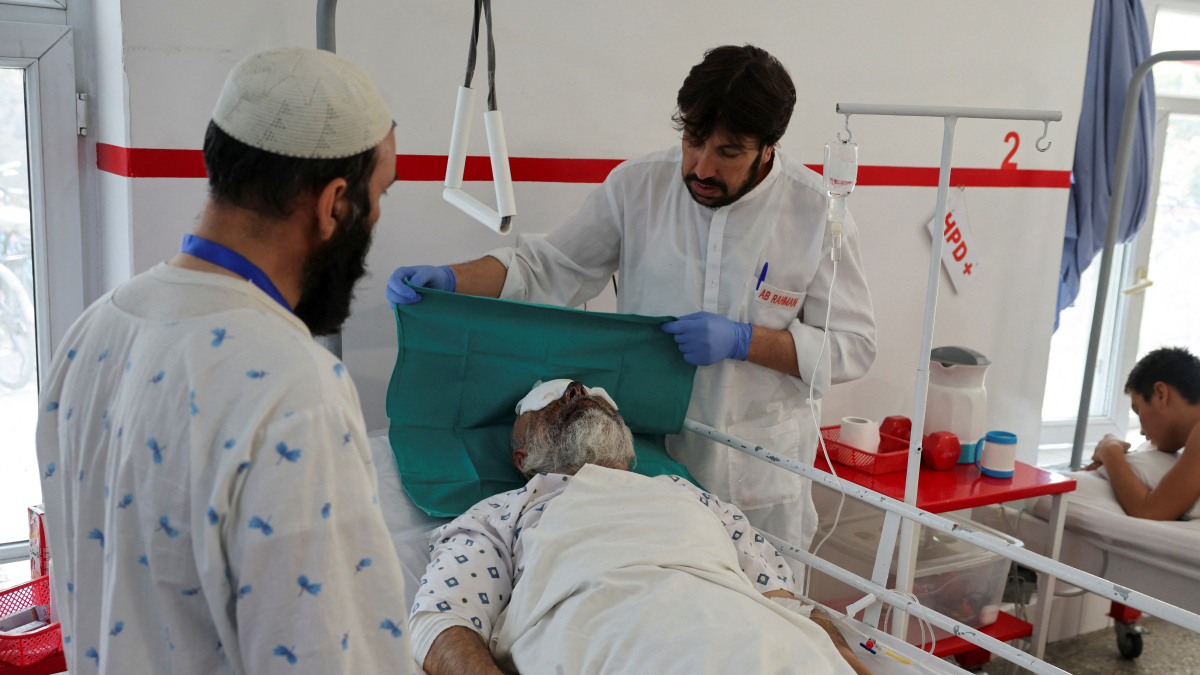
Pakistan’s courts have temporarily blocked the expulsion of Afghan medical students, allowing dozens to continue their studies as Islamabad presses ahead with its wider Afghan repatriation drive amid tensions with Kabul.
The latest ruling came on 14 September, when the Sindh High Court in southern Pakistan suspended directives from the Pakistan Medical and Dental Council (PMDC) requiring Afghan medical and dental students to return home.
The court granted interim relief to 34 students in Karachi, Pakistan’s largest city, and barred authorities from taking coercive action against them until 29 September.
Why Afghan medical students face expulsion
The dispute follows directives issued by Pakistan’s medical regulator, the PMDC, on 31 July and 1 September.
The 1 September directive instructed medical and dental institutions to ensure that Afghan nationals already enrolled in programmes in Pakistan return to Afghanistan. Colleges were also told to complete departure formalities, including issuing no-objection certificates.
The order also barred institutions from admitting, transferring or placing Afghan nationals during the current academic session.
The move affected students who had already spent years studying in Pakistan.
Among those challenging the order in Karachi were three final-year MBBS students at Dow Medical College. Two are women who said returning to Afghanistan before completing their degrees would jeopardise their education, particularly given restrictions on women’s access to education under the Taliban.
The three students were admitted under Pakistan’s government-funded Allama Muhammad Iqbal Scholarship for Afghan Nationals and began their studies in the 2021-22 academic year. They are expected to graduate in 2027.
Lahore court grants similar relief
The Karachi ruling follows a decision by the Lahore High Court in eastern Pakistan on 11 September.
The court suspended the PMDC directives after 13 Afghan medical students challenged their removal from institutions in Lahore, the capital of Punjab province and one of Pakistan’s major education centres.
The students were allowed to continue their studies, sit examinations and return to their university hostels while the case proceeds. The court also sought responses from the PMDC, the health ministry and relevant medical institutions.
The students argued that the regulator had acted without giving them an opportunity to respond and had exceeded its legal authority.
Foreign Office clarifies Pakistan’s position
The Pakistani Foreign Office addressed the issue on 10 September, saying there was no government decision to send all Afghan students back.
Spokesperson Sajjad Haider Khan said Afghan students enrolled in valid degree programmes and holding valid visas could remain in Pakistan and complete their education.
He said those without valid visas or university registration would have to leave, while questions about the PMDC directive were referred to the regulator.
The statement has added another layer to the dispute because the court cases involve students who say they are already enrolled in recognised institutions and, in several cases, studying under Pakistani scholarships.
Wider Pakistan-Afghanistan tensions
The legal battle comes against the backdrop of Pakistan’s wider repatriation campaign involving Afghans.
Pakistan began its drive in 2023, initially focusing on undocumented foreigners. More than 2.6 million Afghans returned to Afghanistan from Pakistan between September 2023 and 31 July 2026, according to the International Organization for Migration.
Islamabad says the policy is linked to immigration enforcement and national security. Pakistan has repeatedly accused the Pakistani Taliban, or TTP, of using Afghan territory to launch attacks. Afghanistan’s Taliban authorities deny allowing their territory to be used against Pakistan.
The court interventions come as the UN and rights groups continue to raise concerns about the scale and pace of Afghan returns from Pakistan, particularly given Afghanistan’s humanitarian and economic pressures.
For Pakistan, the issue sits at the intersection of immigration enforcement, national security and its long-standing role as a host to millions of Afghans. For the international community, the treatment of students already enrolled in professional programmes is another test of how Pakistan’s repatriation drive is being implemented, particularly for people with valid legal and academic status in the country.
















What is your opinion on this topic?
Leave the first comment