Wednesday's session of the 24th Arab Media Summit in Dubai has shifted the discussion towards a central question for modern media: how can regional news organisations tell their own stories while reaching audiences far beyond their borders?
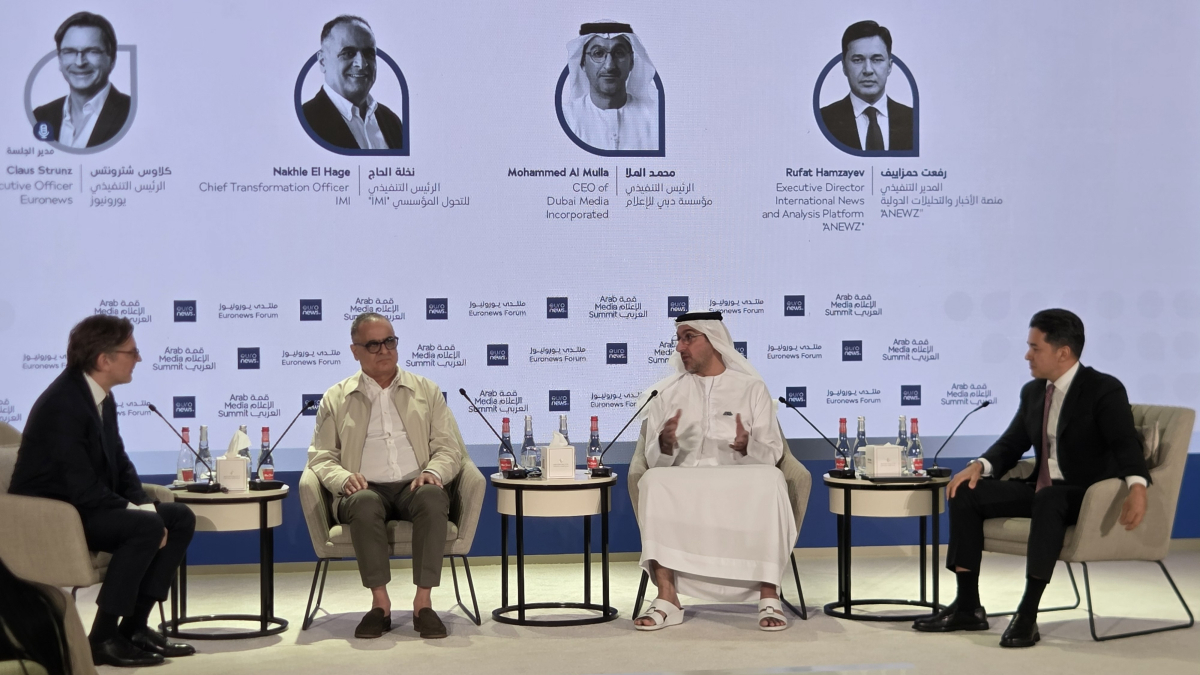
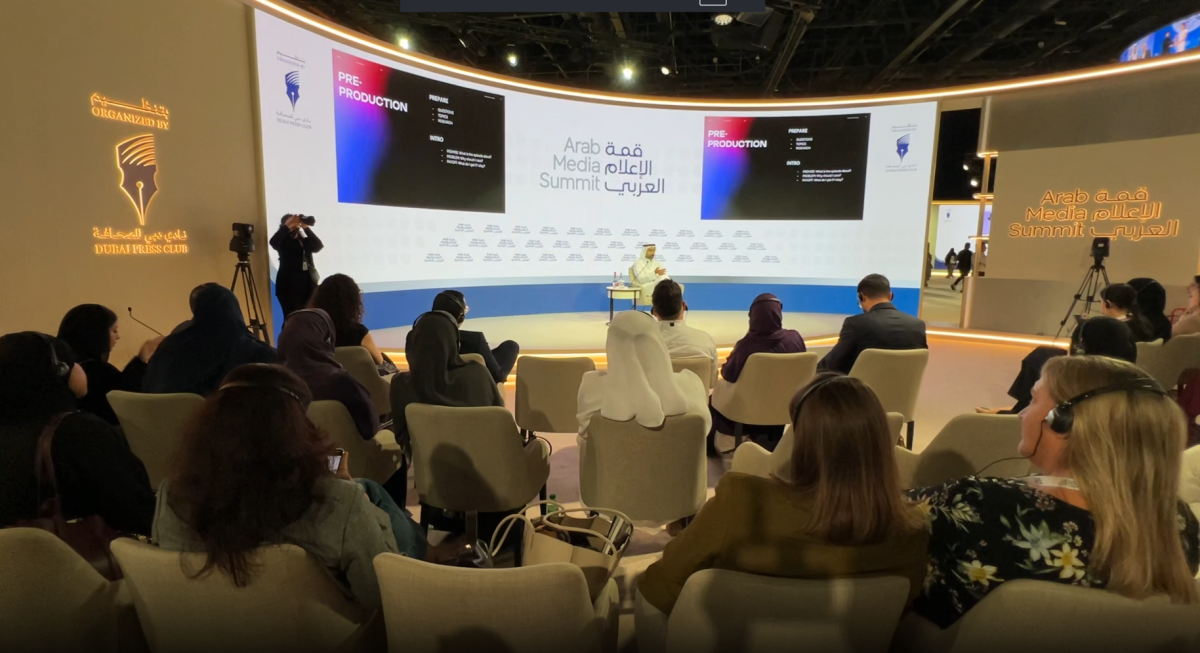
That question was at the centre of the “Regional Voices, Global Influence” panel, which brought together media executives with experience across television, digital platforms and regional news networks.
The discussion focused on how broadcasters are adapting to a media environment in which audiences expect news to be available immediately, across multiple platforms and in a format that fits the way they consume information.
Reporting from the regions to international audiences
Among the speakers was Rufat Hamzayev, Executive Director of AnewZ, who spoke about regional reporting and the development of AnewZ as a relatively new international news organisation.
AnewZ has built its coverage around a combination of regional bureaus, international media experience and local journalists. The model reflects a wider change taking place across the industry: regional organisations are increasingly seeking to report international developments from their own perspective while competing for audiences outside their home markets.
Since its establishment in 2024, AnewZ has developed as a multi-platform English-language news and analysis organisation, expanding its international network and partnerships. That experience formed an important part of the discussion about the growing influence of regional media.
The idea behind “Regional Voices, Global Influence” is not simply about reaching a larger audience. It is also about who gets to define the narrative.
For many years, stories from the Middle East and other regions were frequently explained to international audiences through major international broadcasters based outside the region. The expansion of regional English-language channels has created another layer of reporting, allowing local journalists and media organisations to provide their own context, sources and priorities.
But building a global audience requires more than simply producing content in English.
It requires international editorial standards, strong verification, reliable reporting networks and the ability to deliver information quickly without sacrificing accuracy.
Changing face of TV journalism
That challenge was also highlighted by Mohammed Al Mulla, CEO of Dubai Media Incorporated, who spoke about the changing expectations of television journalism.
For traditional broadcasters, the television bulletin is no longer the only destination for a news story. Audiences increasingly expect information to reach them immediately through digital platforms and social media.
This has changed the meaning of speed in television news.
A story can no longer wait for the next scheduled bulletin if audiences are already receiving updates on their phones. Broadcasters therefore have to think about television and digital distribution as part of the same news operation.
The shift does not mean that television is disappearing. Instead, the television newsroom is being reorganised around a digital-first environment, where a report may begin as a social-media update, develop into a live television story and later become a longer analysis or interview.
Modernising a broadcaster
Nakhle El Hage, Chief Transformation Officer at IMI - privately owned global media group headquartered in the UAE - brought another perspective to the discussion, focusing on the transformation of television organisations and the practices required to remain relevant.
His contribution addressed the practical side of modernising a broadcaster: how television organisations structure their operations, exchange experience and adapt their policies to changing audience behaviour.
That question is becoming increasingly important as media companies try to decide what should remain distinctive about television and what needs to change.
The traditional television model was built around fixed schedules, defined programmes and a relatively predictable relationship with the audience.
The digital model is different.
Audiences decide when and where they watch. News competes with creators, influencers, streaming services and social platforms. A broadcaster therefore has to understand not only what its audience wants to watch, but also where that audience is spending its time.
This is where the second day of the Arab Media Summit connects with some of the wider discussions taking place across the event.
Evolving transformation of the media industry
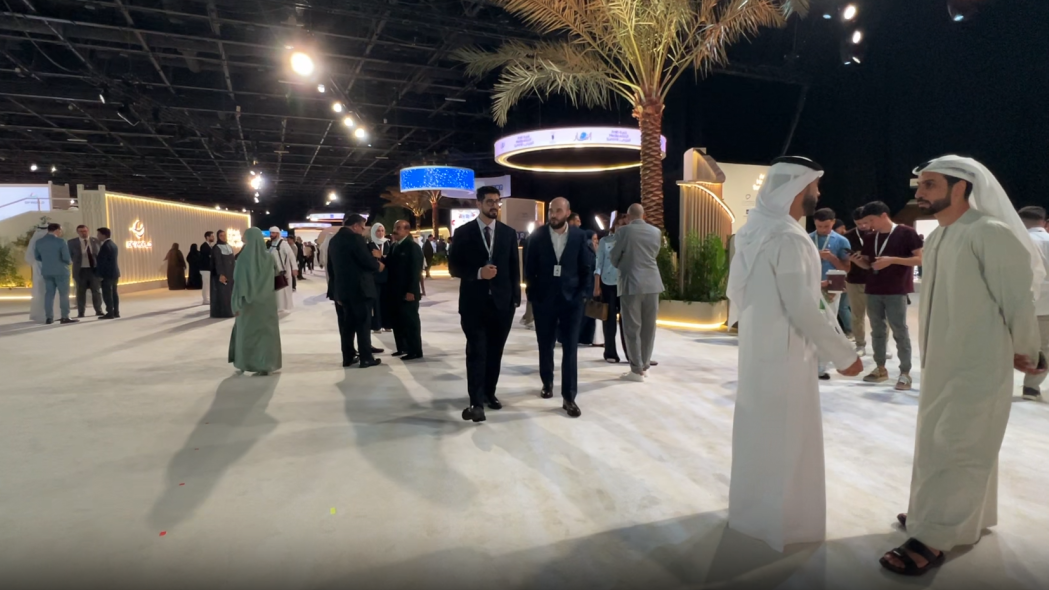
The summit's 2026 programme brings together discussions on journalism, government communication, social media, artificial intelligence (AI), youth, digital platforms and the future of news. More than 175 sessions are taking place across eight specialised forums, with more than 400 speakers from 23 countries and around 250 media organisations represented.
The presence of media executives, broadcasters and digital specialists in the same discussions reflects how closely these areas have become connected.
Influencers are no longer separate from the wider media ecosystem. Governments are developing their own digital communication operations. Traditional broadcasters are expanding into social platforms. Regional news organisations are building international audiences.
At the same time, global audiences have more choices than ever before.
This makes the idea of regional voices with global influence particularly relevant. A successful regional media organisation needs to understand the local audience without becoming limited by it. It needs international standards without losing local knowledge.
For AnewZ, the discussion also comes at a significant stage in the channel's development. The organisation has expanded its international footprint while positioning itself as an English-language platform connecting regional reporting with a wider international audience. Its previous international partnerships, including cooperation with Euronews, CCTV+ and Kazakhstan's presidential media organisation, have also focused on content exchange, co-production and professional cooperation.
The debate in Dubai therefore reflects a larger transformation already underway across the media industry.
The question is no longer whether regional media can participate in the global conversation. It is how effectively regional organisations can build the networks, editorial credibility and digital reach needed to shape that conversation themselves.
Read more:















What is your opinion on this topic?
Leave the first comment