A decade after Britain voted to leave the European Union, the two sides are seeking to strengthen their relationship amid growing recognition of the economic consequences of Brexit.
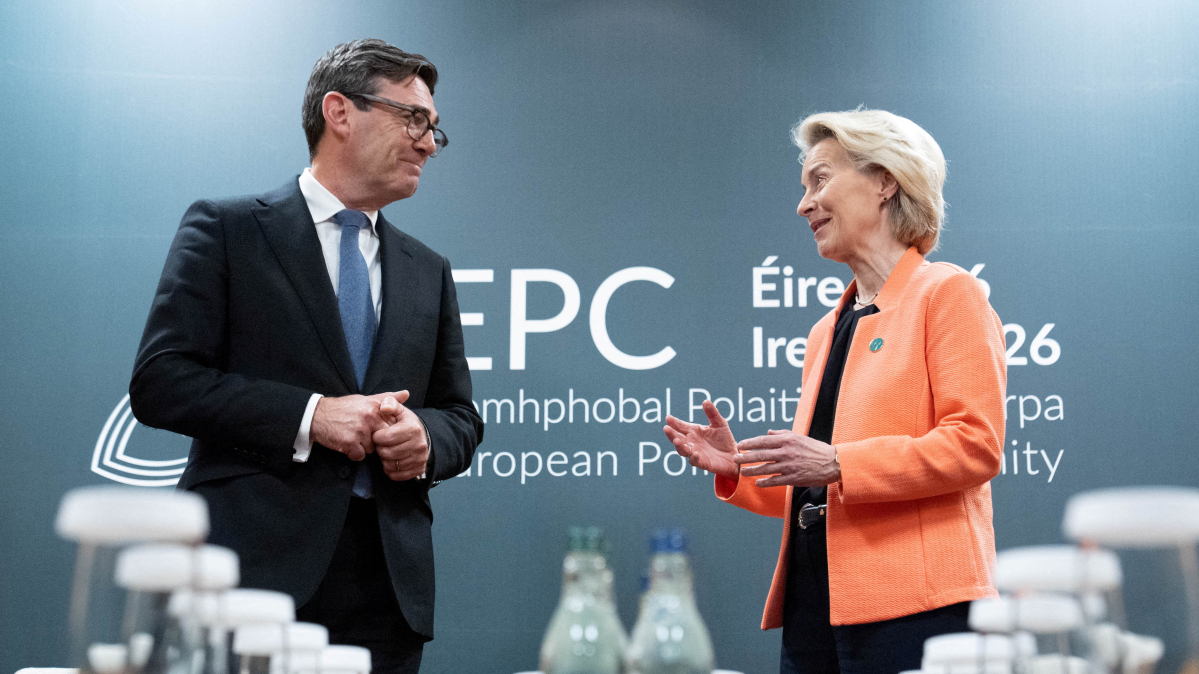
British Prime Minister Andy Burnham said on Monday that it was an “obvious truth” that Britain had lost more than it gained from leaving the bloc. He has also called for Britain to consider options for its future relationship with the European Union, including the possibility of rejoining the bloc.
British and EU officials are expected to discuss a package of agreements aimed at shaping the future of their relationship at a summit in Brussels on Friday, .
Among the proposals is an agreement to ease cross-border trade in animals, plants and related products by removing many of the certificates and checks currently required. The measure could contribute an estimated $6.7 billion annually to Britain’s economy.
Another proposal involves linking the emissions trading systems of Britain and the European Union, which would exempt certain British and EU goods from each other’s carbon border levies.
The two sides are also negotiating a youth mobility programme that would allow young people to work or study in each other’s territories for up to three years. Britain initially proposed a cap of 50,000 participants, while the EU pushed for a higher number. According to EU diplomats, the two sides have provisionally agreed on a figure of 100,000.
However, disagreements remain over university tuition fees. The EU wants its students to pay domestic tuition rates at British universities rather than international fees, which can be significantly higher. Meanwhile, Britain has offered to introduce “significantly reduced” fees instead.
The two sides are now aiming to resolve the issue within six months.
Another key British demand is for the EU to grant the UK special status under its proposed “Made in Europe” rules, particularly for the automotive industry. The EU has indicated a willingness to consider the request, but only if Britain aligns with certain EU trade policies. This could require the UK to introduce tariffs on Chinese electric vehicles.
While progress has been made on several proposals, the two sides have yet to resolve all outstanding differences, particularly over tuition fees and industrial policy.
Britain and the EU are expected to continue negotiations on unresolved issues, with a target of reaching an agreement on university fees within six months.
Read more:














What is your opinion on this topic?
Leave the first comment