China wraps up Shenzhen summit with push for regional cooperation
China has concluded the 33rd Asia-Pacific Economic Cooperation (APEC) Economic Leaders’ Meeting in Shenzh...
China has concluded the 33rd Asia-Pacific Economic Cooperation (APEC) Economic Leaders’ Meeting in Shenzhen, bringing its year-long APEC chairmanship to a close with renewed calls for regional economic integration, open trade and technological cooperation.
The two-day leaders’ meeting, held on 18 and 19 November, brought together representatives of the 21 APEC member economies under the theme “Building an Asia-Pacific Community to Prosper Together.”
Chinese President Xi Jinping chaired the meeting, urging economies to strengthen cooperation amid growing global economic uncertainty, trade tensions and technological competition.
A major outcome was the adoption by consensus of the 2026 APEC Leaders’ Declaration, outlining the Shenzhen Outlook on building an Asia-Pacific community, alongside three outcome documents focusing on trade, connectivity and innovation.
Xi proposed strengthening four key areas of regional cooperation: economy and trade, connectivity, innovation and inclusive development.
He also announced that China would contribute 20 million U.S. dollars to support APEC’s practical cooperation and establish a Centre for Asia-Pacific Community Studies in Shenzhen.
Digital technology, artificial intelligence, cross-border data flows, clean energy and support for small and medium-sized enterprises also featured prominently in the discussions, reflecting the growing importance of innovation in shaping the region’s economic future.
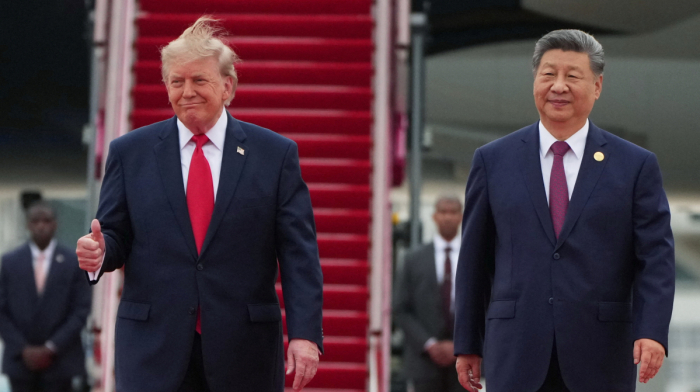
Beyond the economic agenda, the summit provided an important platform for diplomatic engagement among major powers, with Xi holding bilateral meetings with visiting leaders.
The gathering also saw the handover of APEC’s rotating chairmanship to Vietnam, which will host the 2027 meeting.
While the Shenzhen summit produced a shared declaration and commitments to deepen cooperation, the challenge now will be translating those ambitions into concrete results, particularly as economies navigate geopolitical divisions, protectionist pressures and an increasingly competitive global technology landscape.
For China, the conclusion of APEC 2026 marks an opportunity to reinforce its role in regional economic cooperation and promote a vision of an Asia-Pacific region built on openness, connectivity and shared prosperity.
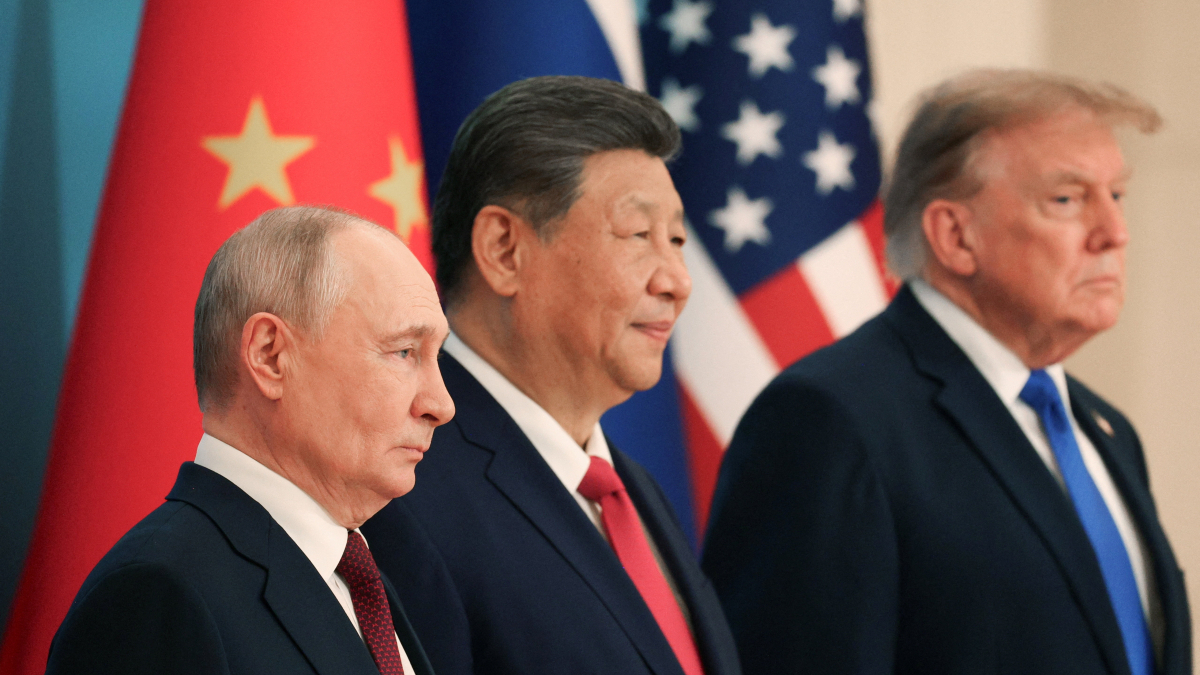
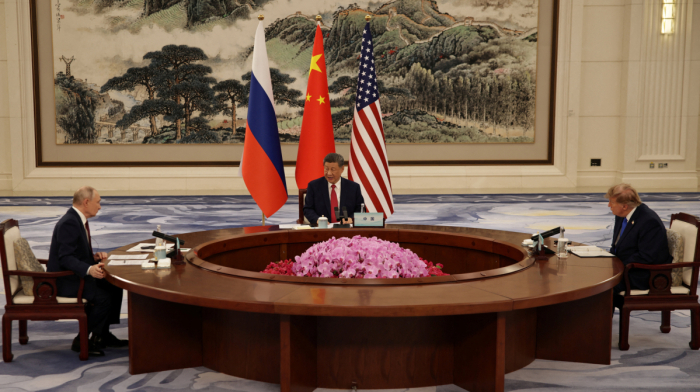
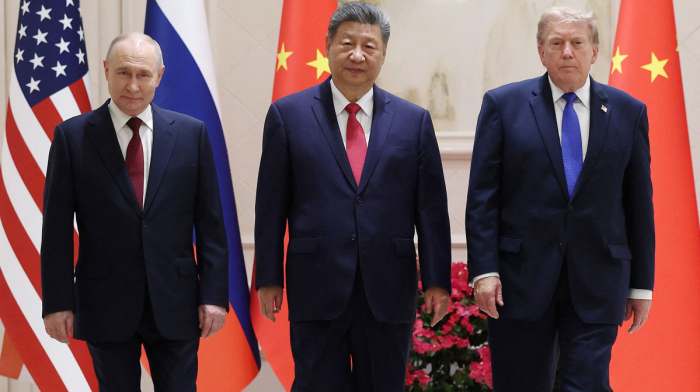
U.S. President Donald Trump, Russian President Vladimir Putin and Chinese President Xi Jinping are holding trilateral talks at the APEC summit in Shenzhen, China, with Ukraine, nuclear arms control and global security on the agenda.
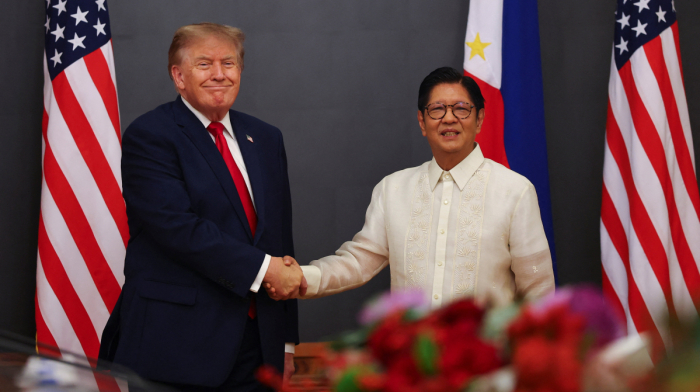
U.S. President Donald Trump concluded his visit to the Philippines on Wednesday, 18 November, after holding bilateral talks with President Ferdinand Marcos Jr. in Manila. Trump had attended the ASEAN Summit gala as guest of honour the previous evening before departing for China.
U.S. President Donald Trump has joined Russian counterpart and leaders from across the Asia-Pacific region in Shenzhen for the 33rd Asia-Pacific Economic Cooperation (APEC) Summit, where trade, economic cooperation and AI are set to take centre stage.
Myanmar's security forces committed genocide against Rohingya Muslims during a brutal military crackdown in 2017 that killed thousands and involved widespread sexual violence, the United Nations' top court ruled on 19 November.
U.S. President Donald Trump, China's Xi Jinping and Russia's Vladimir Putin have issued a joint “declaration of peace” following historic talks in southern China, but stopped short of committing to nuclear arms reductions or addressing the war in Ukraine in their joint statement.
Somalia has ordered the United Arab Emirates’ ambassador to leave the country within 72 hours and has recalled its own envoy from Abu Dhabi.
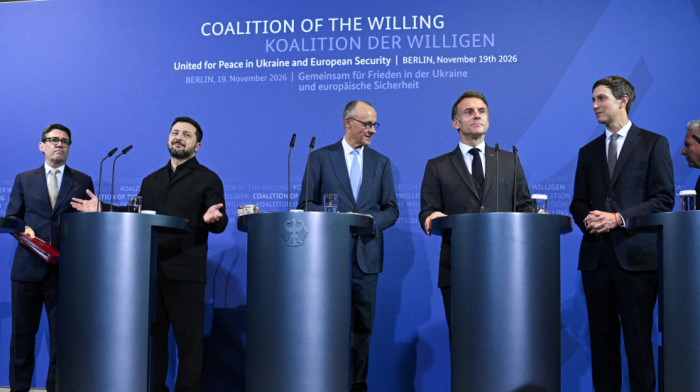
European leaders backing Ukraine met in Berlin on Thursday 19 November and warned that no peace deal should be settled without them.
U.S. President Donald Trump, China's Xi Jinping and Russia's Vladimir Putin have issued a joint “declaration of peace” following historic talks in southern China, but stopped short of committing to nuclear arms reductions or addressing the war in Ukraine in their joint statement.
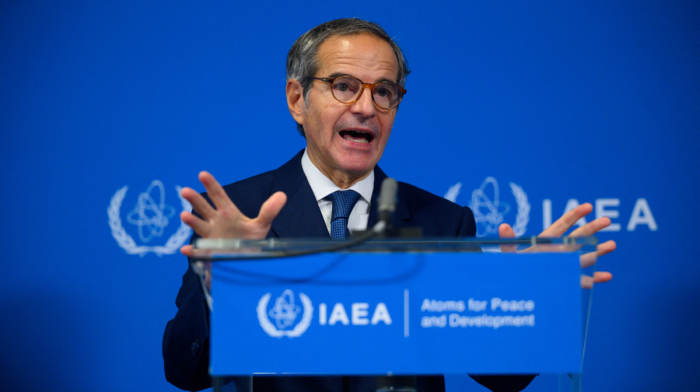
Iran has ruled out resuming international inspections of its nuclear facilities until threats of further U.S. and Israeli attacks are permanently lifted, citing security concerns following strikes in 2025 and 2026.
Russian President Vladimir Putin has vowed retaliation for Ukrainian strikes on the Crimean Bridge, ruling out talks on a possible deal to halt attacks on energy and maritime infrastructure.
You can download the AnewZ application from Play Store and the App Store.
What is your opinion on this topic?
Leave the first comment