Somalia has ordered the United Arab Emirates’ ambassador to leave the country within 72 hours and has recalled its own envoy from Abu Dhabi.
It accused the Gulf state of violating Somalia’s sovereignty in ways it described as an “open invasion”. The move, announced on Thursday 19 November, marks a sharp escalation in a long-running dispute between the federal government in Mogadishu and one of the most influential foreign powers in the Horn of Africa.
Information Minister Abdifatah Kasim Mohamud announced the decision in a broadcast carried by the state news agency. He warned that “measures will be taken against anyone who cooperates with UAE in the invasion against Somalia”.
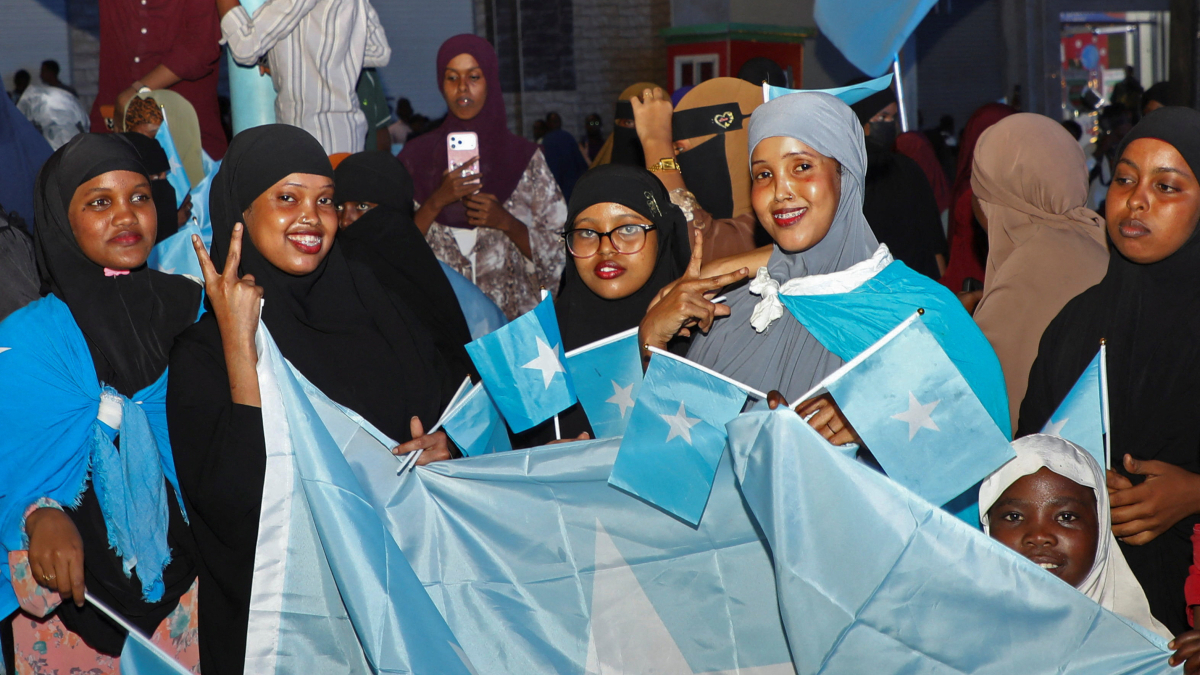
“All Somalis are urged to defend their country and unite against the open invasion of the UAE against the sovereignty, security, land and unity of Somalis,” he said.
The minister did not say what actions by the UAE had prompted the decision.
In a speech on Tuesday, President Hassan Sheikh Mohamud had accused the UAE of giving economic and political support to some of Somalia’s regional governments to work against the federal government.
UAE rejects ‘escalatory and hostile’ approach
A UAE foreign ministry spokesperson denounced what they called the Somali government’s “escalatory and hostile” approach towards the Emirates.
In a statement, the ministry expressed regret over what it described as attempts by the Somali government to draw the UAE into Somalia’s internal power struggles. It warned that such actions could damage the interests of both countries.
The ministry said the UAE had already closed its embassy in Mogadishu and withdrawn its diplomatic staff in January 2026. It said the decision followed hostile actions by the Somali government, including the cancellation of bilateral agreements.
It also reaffirmed the UAE’s commitment to maintaining and strengthening ties with the Somali people.
The UAE has long denied interfering in Somalia’s affairs.
In January, Somalia announced it had ended all agreements with the UAE, including port deals and defence and security cooperation. It accused the Emirates of undermining its national sovereignty.
Three self-governing Somali regions with close ties to the UAE rejected that decision at the time.
UAE’s footprint in Somalia
The UAE has helped fund and train Somalia’s military and has backed ports and other commercial ventures in the country.
It trained hundreds of Somali troops between 2014 and 2018. According to senior Somali sources, it still pays salaries and provides logistics for around 3,400 Somali military police and special forces troops in and around the capital.
The Emirates has also built direct relationships with regional governments. It has committed hundreds of millions of dollars to ports and military infrastructure along the coast, which lies on global shipping routes.
The UAE has long used its wealth to expand its influence across the Horn of Africa, combining economic, military and diplomatic leverage to assert itself as a regional power.
For decades, Somalia’s federal government has had only limited authority across the country. It has also failed to defeat Islamist militants, despite years of international backing that has included African peacekeepers and U.S. air strikes.
Read more:








What is your opinion on this topic?
Leave the first comment