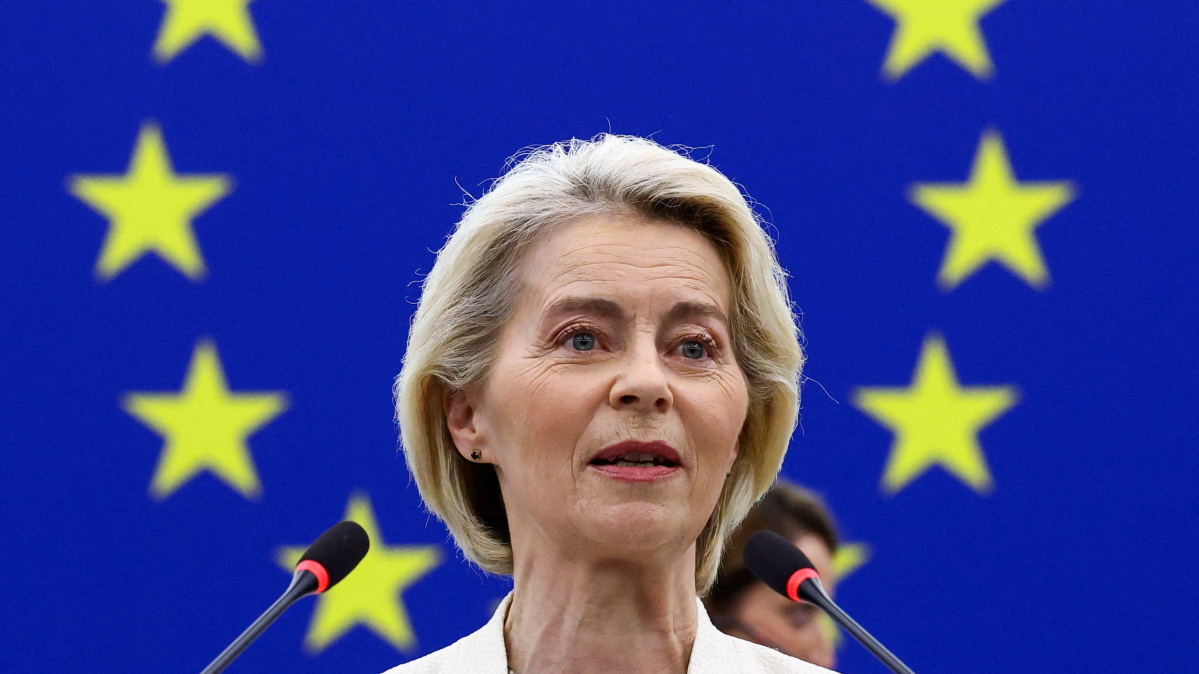
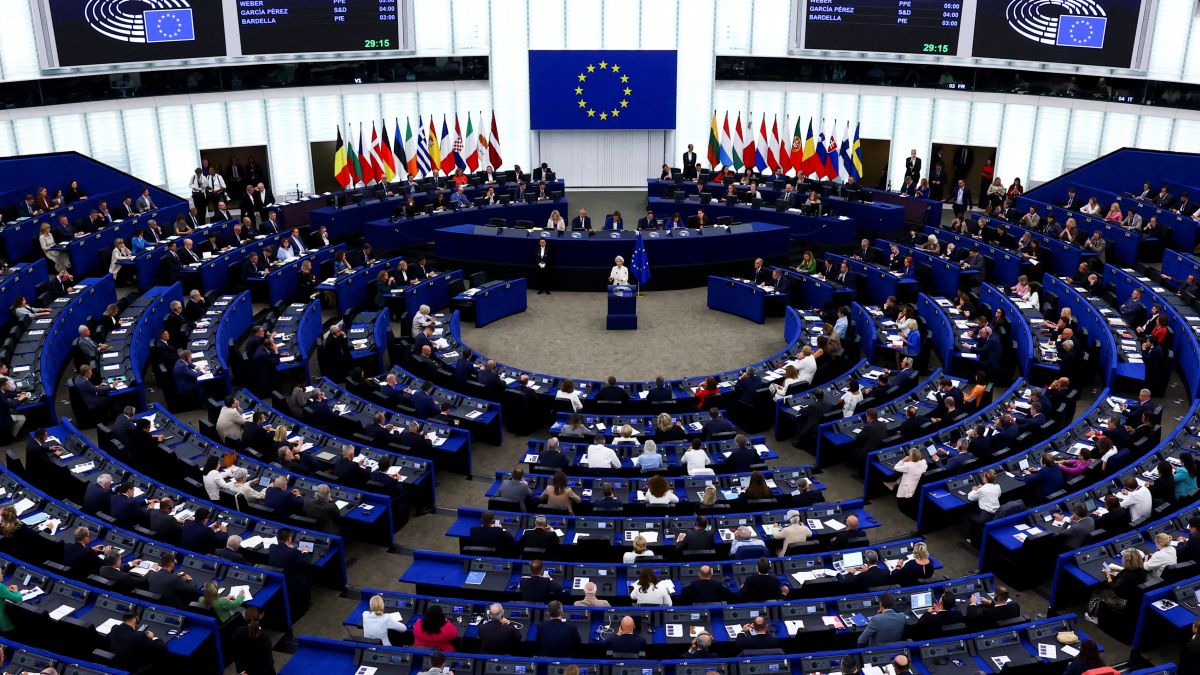
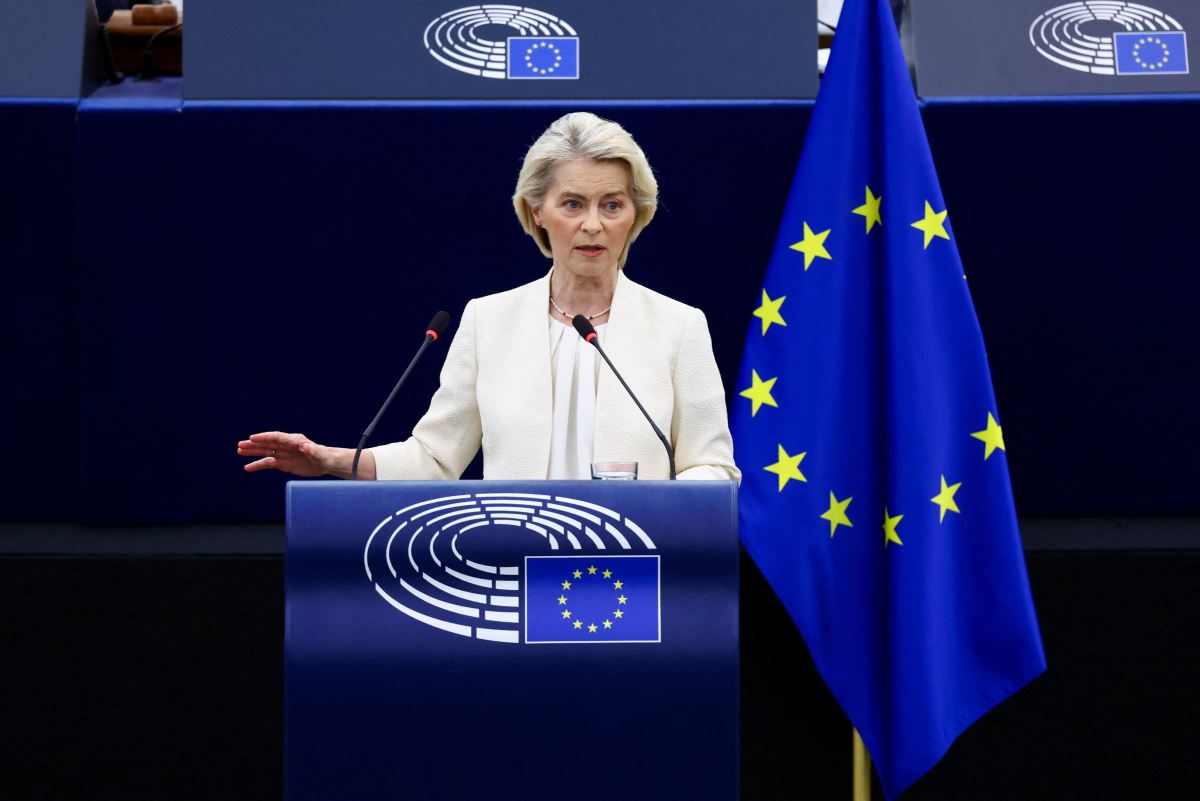
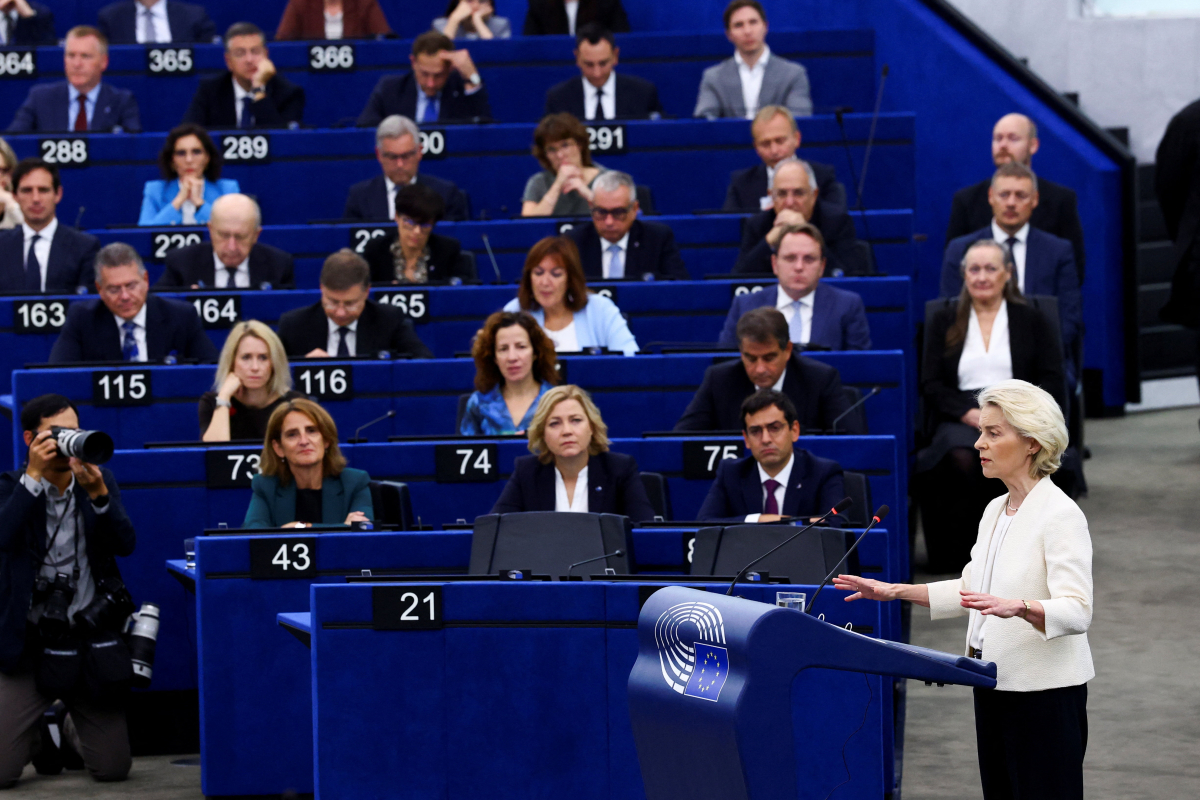
European Commission President Ursula von der Leyen is outlining the EU's priorities in her annual State of the Union address, covering security, support for Ukraine, trade with China, migration, climate and artificial intelligence.
This live blog has ended. Please visit our main page for the latest news and updates.
⦿ 09:25 GMT | UPDATE
EU to launch Heatwave Plan and climate resilience framework
Ursula von der Leyen said Europe would stay on course with its climate targets while stepping up measures to prepare for extreme weather.
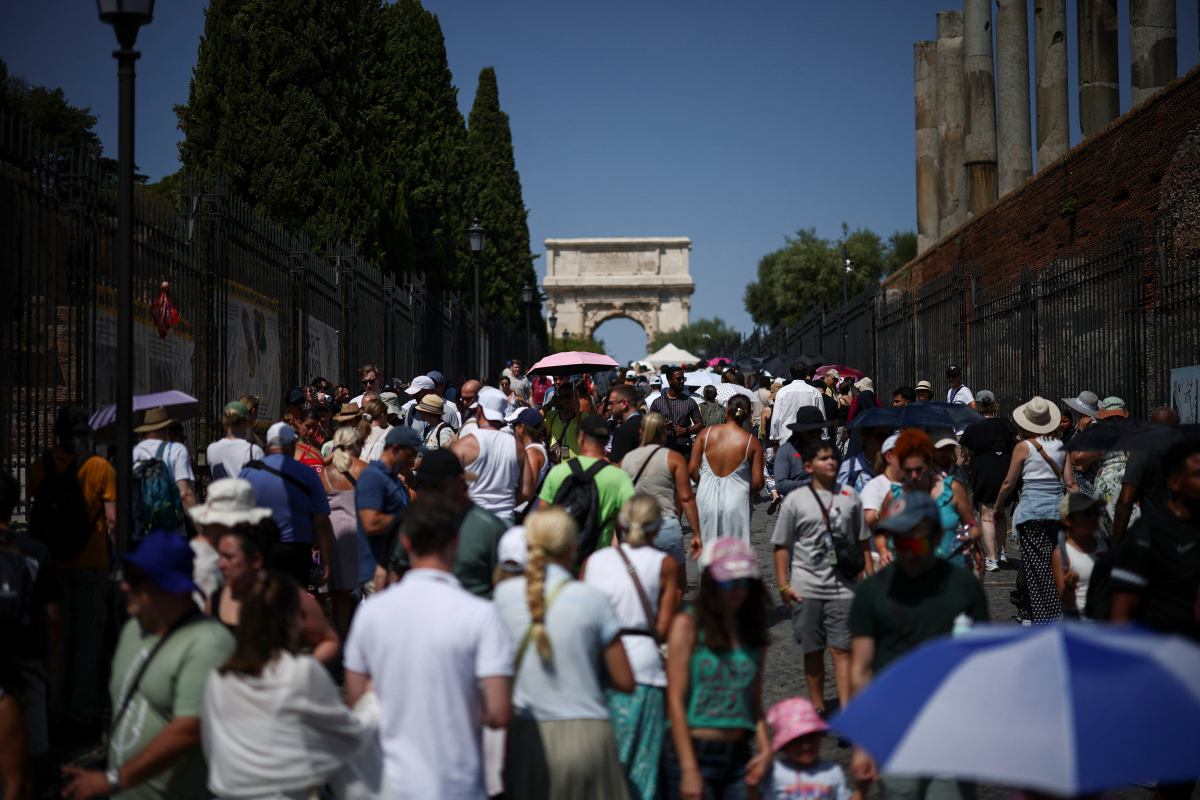
She announced a new European Heatwave Plan, calling for better early warning systems, health preparedness, urban cooling and support for vulnerable people.
“We need better early warning systems and better health preparedness,” von der Leyen said, adding that “there can be no repeat of this summer.”
She also said the Commission would present a new climate resilience framework next month, identifying 100 of Europe’s most vulnerable territories and assessing the risks they face.
⦿ 08:11 GMT | UPDATE
EU to propose emergency protection
The European Commission will propose an emergency framework to prevent sudden massive inflows of migrants, Commission President Ursula von der Leyen said.
“The events of this summer show that our tools need to evolve, especially for emergency situations. Europe needs the means to protect its borders at all times,” von der Leyen said.
The new European Emergency Response Framework would be activated only under a strictly defined set of criteria and would allow “time-limited and strictly defined flexibility in standard procedures” in exceptional circumstances, she said.
⦿ 08:10 GMT | UPDATE
Von der Leyen: A stronger, more independent Europe is emerging
In a video shared on X, von der Leyen said Europe was becoming stronger, more independent and better able to defend itself.
⦿ 08:03 GMT | UPDATE
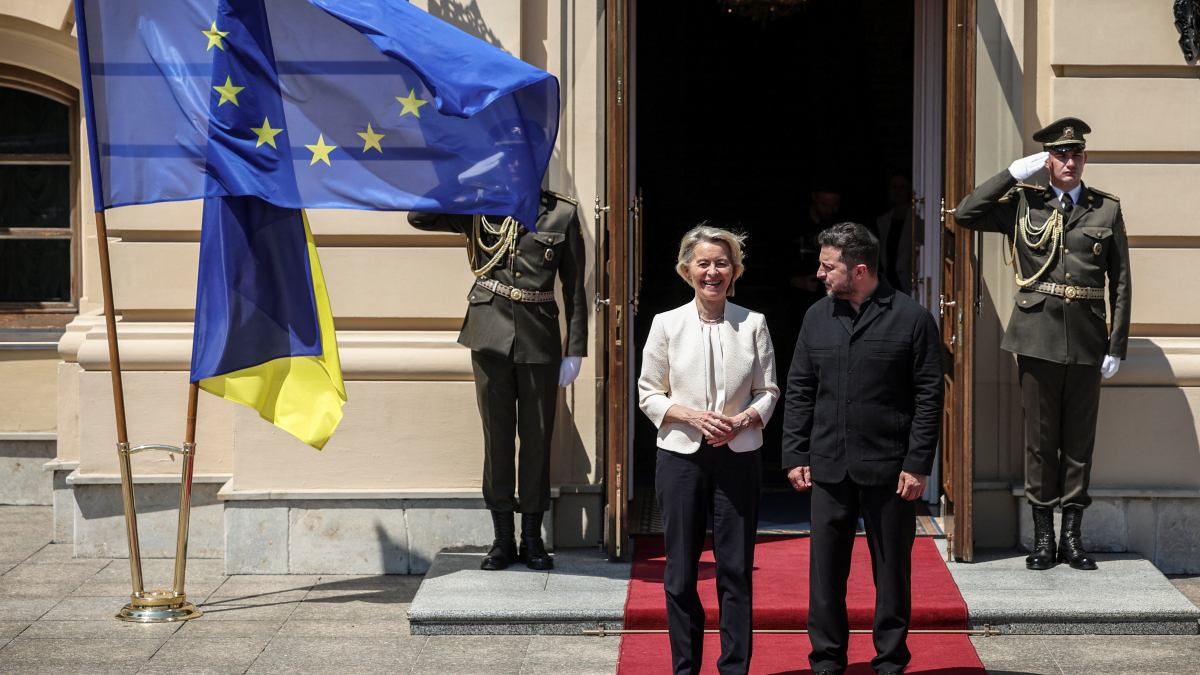
EU pledges strongest Ukraine support
Ursula von der Leyen pledged that the EU would give its “strongest-ever support to Ukraine” over the forthcoming winter, which she said would be the toughest of the war triggered by Russia's invasion.
She said U.S. Patriot interceptor missiles needed to be delivered urgently but “we must also jointly reduce our dependence on a single supplier” by developing with Ukraine “an affordable, modular missile-defence system”, with Ukraine's Freyja project at its heart.
⦿ 07:59 GMT | UPDATE
EU backs European Security Council, hybrid attack plan
Ursula von der Leyen proposed creating a European Security Council that could bring together the EU and partners such as Canada, Britain and Norway, and establishing an 'emergency security protocol' to allow EU members to trigger discussions to respond to crises.
“Europe needs its own counter-hybrid playbook,” von der Leyen said, referring to so-called hybrid attacks such as sabotage attempts.
⦿ 07:54 GMT | UPDATE
EU opens door to Canada as first associate member
European Commission President said the European Union is opening the door for Canada to become the first associate member, a status that does not exist under the bloc's treaties.
“Partnerships are a strategic choice for Europe. But they also respond to the fracture in the international rules-based system,” von der Leyen said.
“We see the world with the same eyes: from AI to climate change, from the Arctic to geopolitics. And we have stood together: on Ukraine, on defence, on raw materials and on supply chains. But above all ... Europe and Canada believe in democracy.”
⦿ 07:50 GMT | UPDATE
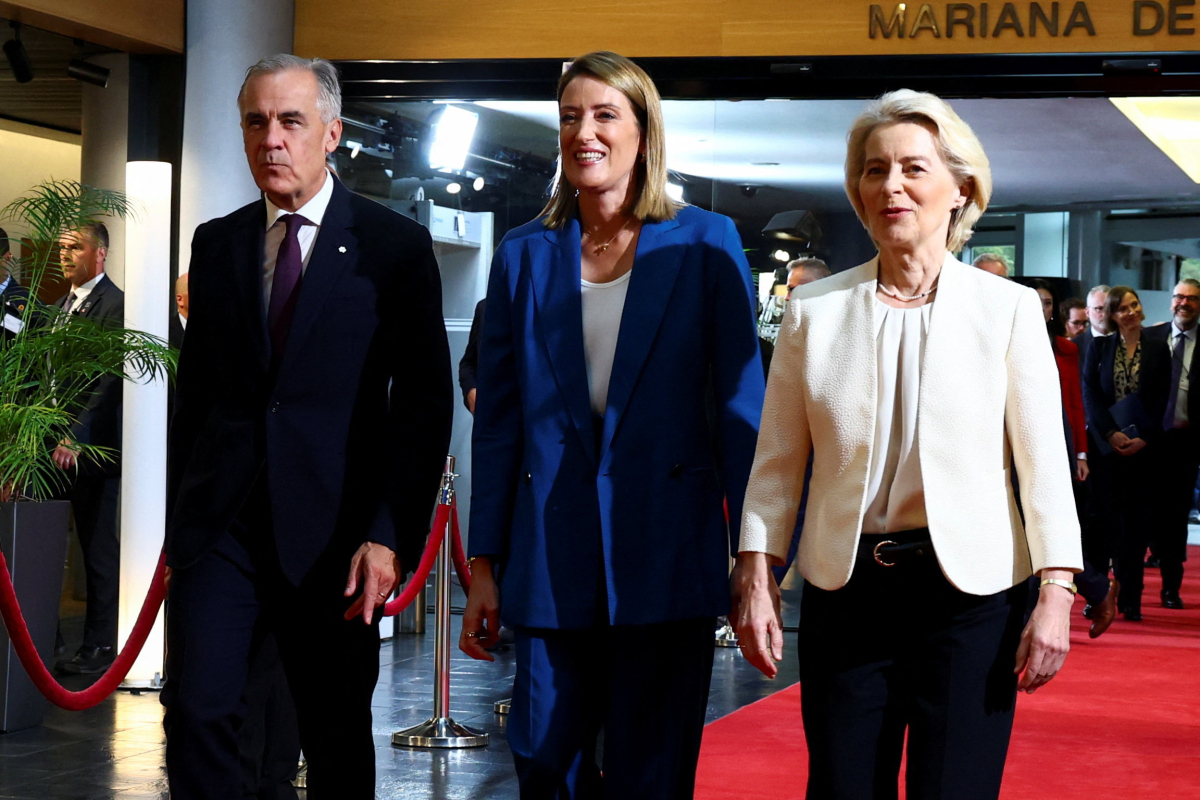
In images: Von der Leyen delivers EU State of the Union address
Reuters
⦿ 07:47 GMT | UPDATE
Von der Leyen to invite AI labs for talks on risks
“I will invite the main frontier labs for a discussion on how we can support ongoing industry efforts to pace the frontier,” Von der Leyen told EU lawmakers.
She said landmark EU rules governing the use of AI adopted recently put Europe in the position to shape global efforts to tackle the risks.
Von der Leyen is also proposing a social media ban for under-15s, saying that platforms have to prove that they are safe for children. She will announce details on Thursday.
⦿ 07:43 GMT | UPDATE
EU will use all tools to cut China trade deficit
The European Union will use every possible means to reduce its “unsustainable” trade deficit trade with China, Ursula von der Leyen said.
She said that the imbalance, with a goods trade deficit of €1 billion ($1.15 billion) a day last year, had reached a tipping point and that Europe was already suffering from the second China shock through deindustrialisation.
EU leaders called on the European Commission in June to produce results from dialogue with China and to ensure the bloc has all the instruments it needed to defend its interests.
Von der Leyen said in her 'State of the Union' address to the European Parliament that it was in both sides' interests to work together to find a solution.
She also highlighted the EU's reliance on China for many critical minerals, notably rare earths.
“We need to urgently procure and build up our reserves,” she said, adding the EU would establish a new European Corporation on critical raw materials to help the 27-nation bloc obtain and stockpile what it needed.
⦿ 06:57 GMT | UPDATE
EU to launch climate insurance scheme
The European Union will create a “climate insurance alliance” aimed at increasing insurance cover for extreme weather events, European Commission President Ursula von der Leyen said.
“Today, only around 25 per cent of catastrophe losses in Europe are covered by private insurance. This means that, far too often, national budgets become the insurer of last resort. We need to take action to close this gap,” von der Leyen said in a speech to the European Parliament.










What is your opinion on this topic?
Leave the first comment