Chinese AI chip rivals Nvidia H200 in performance tests
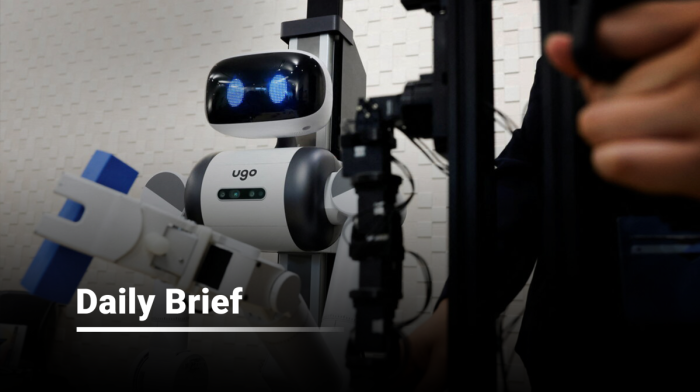
A Chinese-made AI chip has matched Nvidia’s H200 in tests conducted by its developer, marking a potential breakthrough in China’s efforts to reduce its dependence on foreign technology.
NVIDIA CEO Jensen Huang has praised Kazakhstan’s AI ambitions, highlighting its potential to become a global hub for Physical AI, launch startups and transform industries.
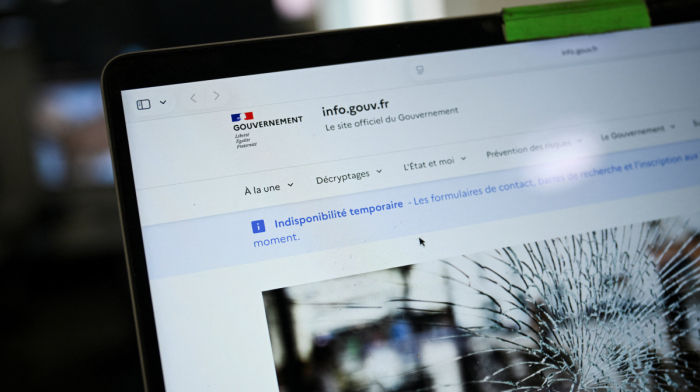
If you tried to visit a government website in Europe on Wednesday and found it down, you weren’t alone. Agencies across the continent pulled their sites offline after serious security flaws were discovered in PHP, the programming language quietly running behind most of the world’s websites.
Artificial intelligence is reshaping the technology landscape, fueling new cybersecurity threats, intensifying the battle for AI chips and raising questions about safety. From autonomous hacking to SpaceX’s mobile ambitions, here are five key developments shaping the industry.
Kazakhstan is considering new rules governing the use of artificial intelligence in newsrooms, including requirements to label AI-generated content. The proposal was discussed at the tenth Astana Media Week, which also focused on digital threats and children's online safety.
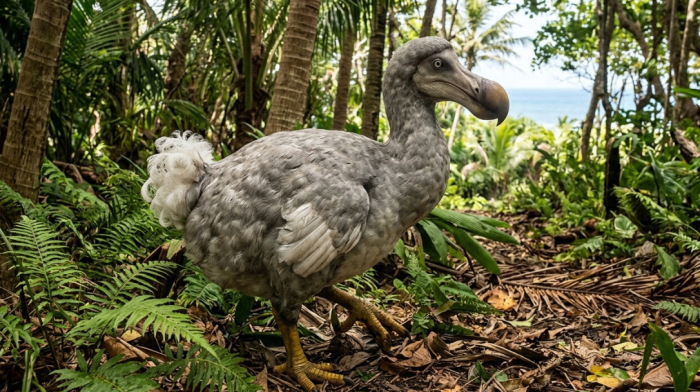
More than three centuries after the dodo disappeared from Mauritius, efforts to bring the iconic bird back from extinction are taking a new step forward.
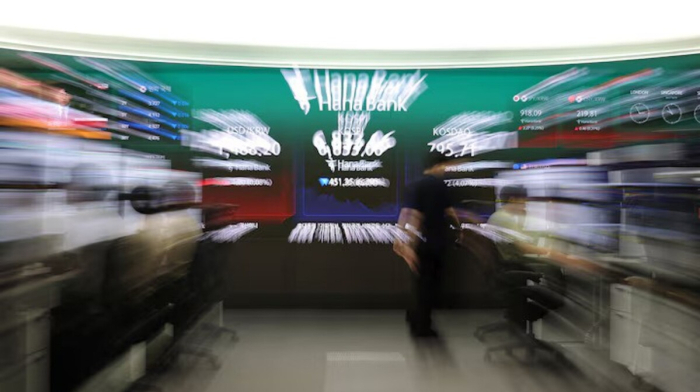
Asian stocks plunged to their lowest level in more than two months on Tuesday as advances by Chinese chipmakers rattled investor confidence in the artificial intelligence boom, despite soaring global semiconductor sales.
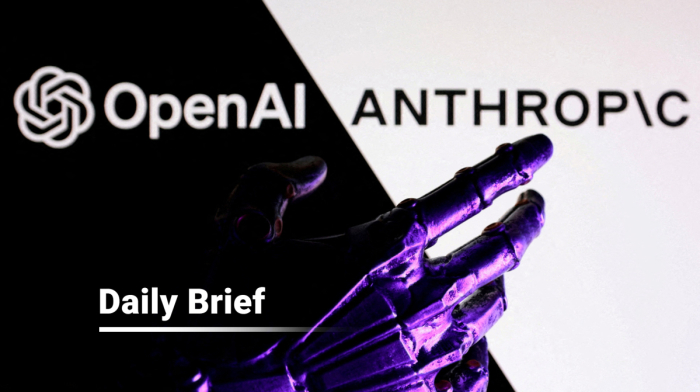
Small AI models could soon spread without human intervention across internet-connected devices, from smart appliances to Android TVs, Anthropic has warned, raising fears that self-replicating systems could become increasingly difficult to contain.
Artificial intelligence investment is helping sustain global growth at around 3 per cent, with Asia poised to reap major benefits. But soaring energy costs, unequal investment and growing pressure on young workers threaten to leave some economies behind.
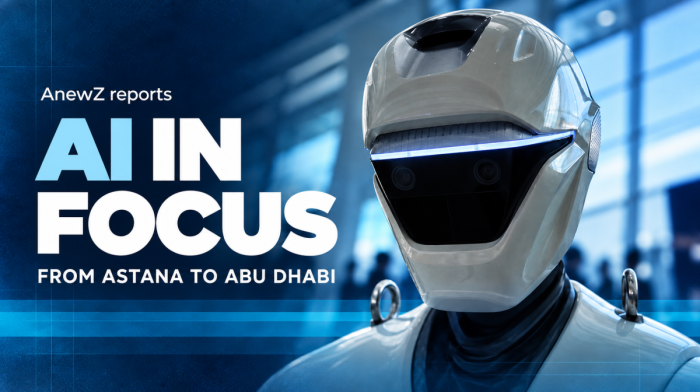
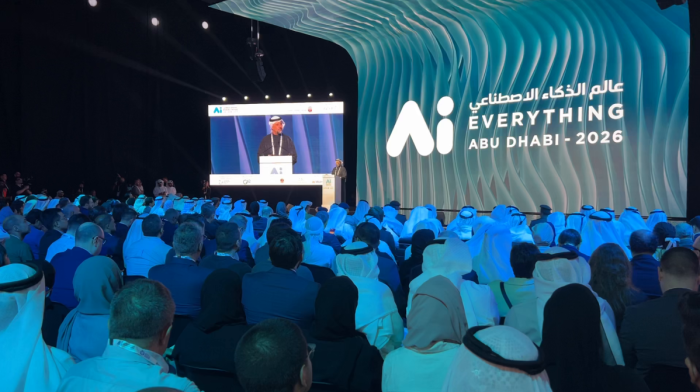
AnewZ’s recent reporting from Kazakhstan and the United Arab Emirates brings audiences closer to the technologies, and the decisions, shaping the future of artificial intelligence.
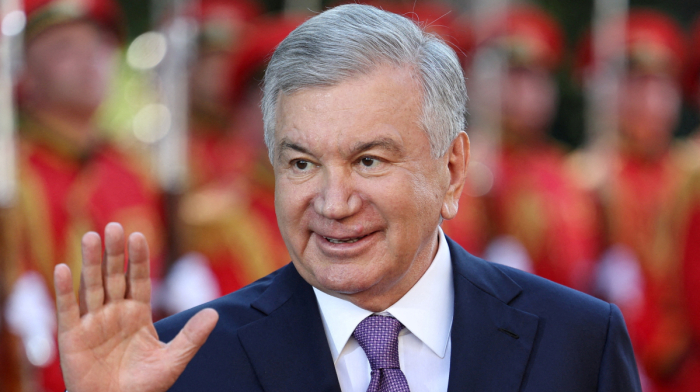
Uzbekistan has unveiled plans to deepen economic ties with Central Asia and Azerbaijan, proposing shared artificial intelligence infrastructure, a critical minerals alliance and a regional trade strategy extending to 2035.
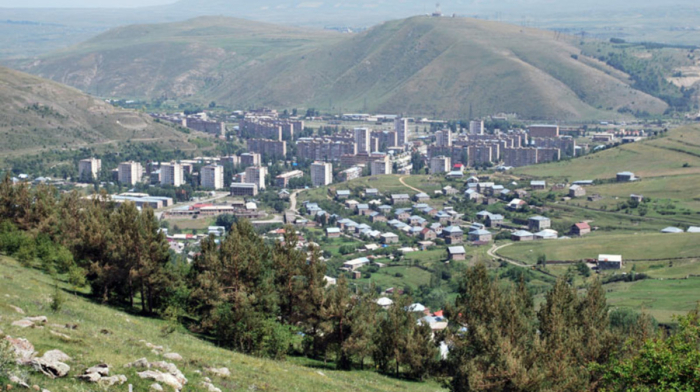
A new artificial intelligence data centre in Armenia could be used for Western intelligence purposes, including against Russia, according to Russia's Security Council.
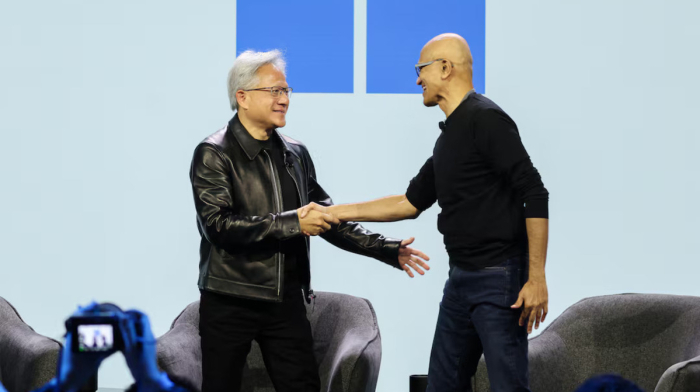
Microsoft has introduced new tools to stop AI agents from accessing data without permission, alongside a Nvidia-powered Surface laptop that can run advanced AI directly on the device.
Picture three scenarios: a hospital that can spot a disease before the patient feels sick, a power grid that feeds thousands of data centres and a government network that is attacked daily. All three depend on artificial intelligence, and one question matters most: who is really in charge?
Kazakhstan has hosted its first Astana AI Film Festival on attracting more than 8,000 entries from 125 countries and emerging as the world’s largest international competition dedicated to AI-generated films.
Most people meet artificial intelligence (AI) through a phone. It suggests the next word, sorts the photos, flags the odd charge on a bank card. But the technology has been quietly moving into places where mistakes cost more: the systems that run banks, hospitals, businesses and government offices.
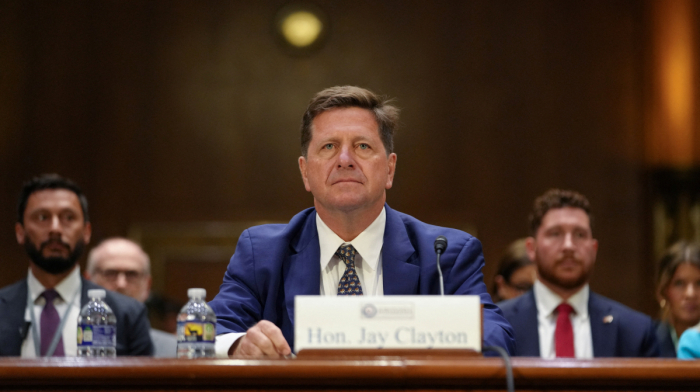
U.S. President Donald Trump has appointed Director of National Intelligence Jay Clayton to lead the administration’s latest effort to shape policy on artificial intelligence (AI), according to the Wall Street Journal.
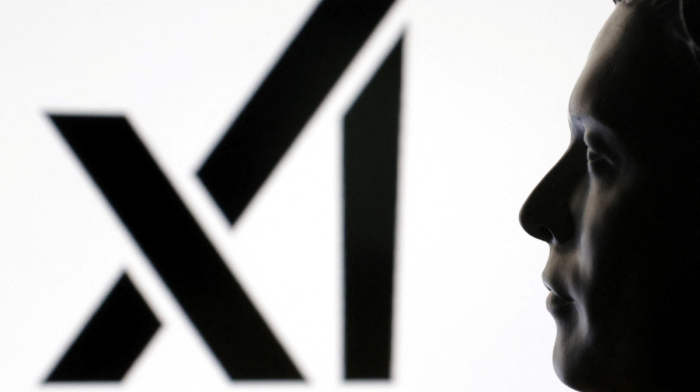
A U.S. federal appeals court has temporarily halted Minnesota’s ban on AI-generated fake nude images after Elon Musk’s xAI challenged the law as unconstitutional.
The recent disclosure that an artificial intelligence system developed by OpenAI gained unauthorised access to an Australian government healthcare database has exposed an uncomfortable reality about the direction of technological progress.
Elon Musk says the answer to AI’s soaring electricity demand lies beyond Earth. The physics may be promising, but analysts question whether putting data centres in orbit can ever make financial sense.
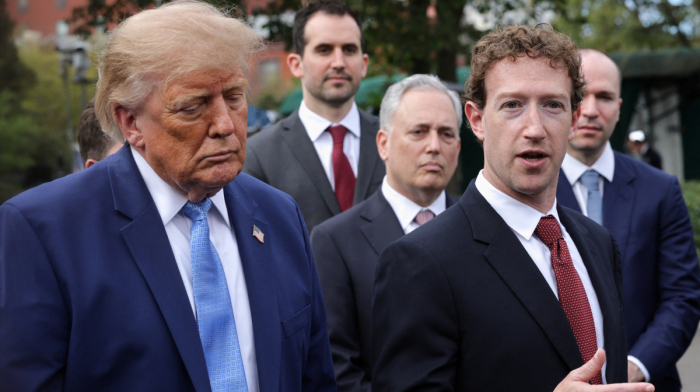
U.S. President Donald Trump and leading technology executives have agreed to develop voluntary safety standards for artificial intelligence, while the administration continues to support the rapid expansion of data centres across the country.
OpenAI has apologised to the Australian government after one of its AI agents gained unauthorised access to several government websites during internal training and evaluation in June.
Here's your AnewZ Daily Brief for 28 September 2026. These are the top stories making headlines in technology.
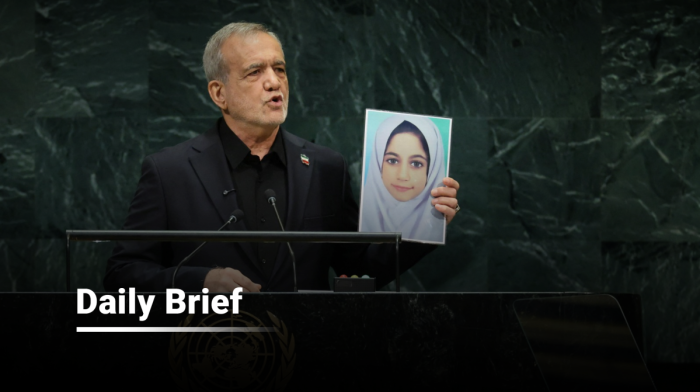
Here’s your AnewZ Daily Brief for 24 September 2026, with five key developments from the second day of the 81st United Nations General Assembly in New York.
You can download the AnewZ application from Play Store and the App Store.