SpaceX has reported a sharp rise in quarterly revenue, fuelled by strong demand for its Starlink satellite internet service and rapid growth in its artificial intelligence (AI) business.
The company's first earnings report since its stock market debut showed revenue almost doubled in the three months to June, although investors were concerned by a steep increase in spending on future projects.
Shares fell 7.5 per cent in after-hours trading following the results.
Starlink remains the company's biggest earner
SpaceX reported revenue of $7.8 billion for the second quarter, up from $4.1 billion a year earlier and above analysts' expectations.
Starlink generated more than half of the company's total revenue, with sales rising 66 per cent as its customer base continued to expand around the world. The satellite internet service now has around 12 million subscribers, although average revenue per customer fell as the company introduced lower-priced plans in new markets.
SpaceX President Gwynne Shotwell said the company expects Starlink to compete more directly with traditional mobile operators.
She said SpaceX aims to win "quite a few" customers from T-Mobile, AT&T and Verizon by combining its satellite network with ground-based infrastructure to create "a true mobile service".
AI investment gathers pace
Artificial intelligence has become one of SpaceX's fastest-growing businesses.
Revenue from its AI division, which includes xAI, Grok and social media platform X, rose by around 250 per cent compared with a year ago.
"We're building AI compute capacity at scale faster than anyone else, we believe, and we're significantly improving our AI models," Elon Musk told investors.
AI monetising itself
But critics have argued that the strategy of using Starlink's profits to bankroll the AI business and Starship launch operations until they can stand on their own is unsustainable.
Total operating losses narrowed in the second quarter to $143 million from $970 million. Operating losses in AI narrowed and operating income at Starlink swelled 79 per cent.
"That's a tremendous upside surprise today alone, the fact that AI is already monetising itself. They're not relying on Starlink to fund operations there. I think that's a huge part of the story," said Brian Mulberry, Chief Market Strategist at Zacks Investment Management.
Heavy spending weighs on shares
Despite the strong financial performance, SpaceX dramatically increased its investment in future growth.
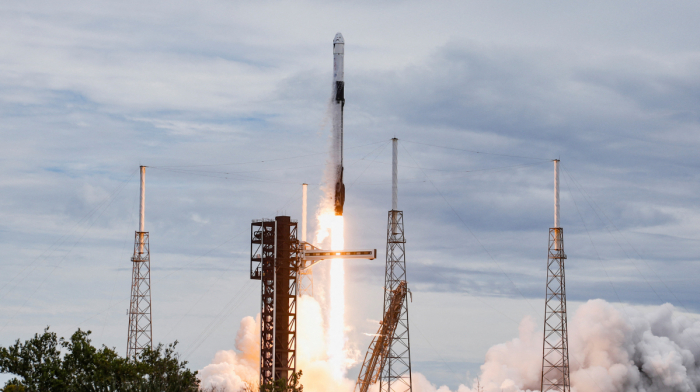
Capital spending climbed to more than $18 billion during the quarter, driven largely by investment in AI infrastructure and the continued development of its Starship rocket programme.
Chief Financial Officer Bret Johnsen said spending is expected to remain at a similar level over the next two quarters.
The company also announced a partnership with Nvidia to supply chips for its planned Starmind AI1 orbital computing satellites.
Investors are also watching the upcoming expiry of SpaceX's post-IPO lock-up period, which could allow insiders and early investors to begin selling shares for the first time since the company's stock market listing in June.
Read more:




















What is your opinion on this topic?
Leave the first comment