




12:14 CET
Middle East conflict
live Saudi Aramco building attacked, limited fire reported
A building at Saudi Aramco’s headquarters in ...
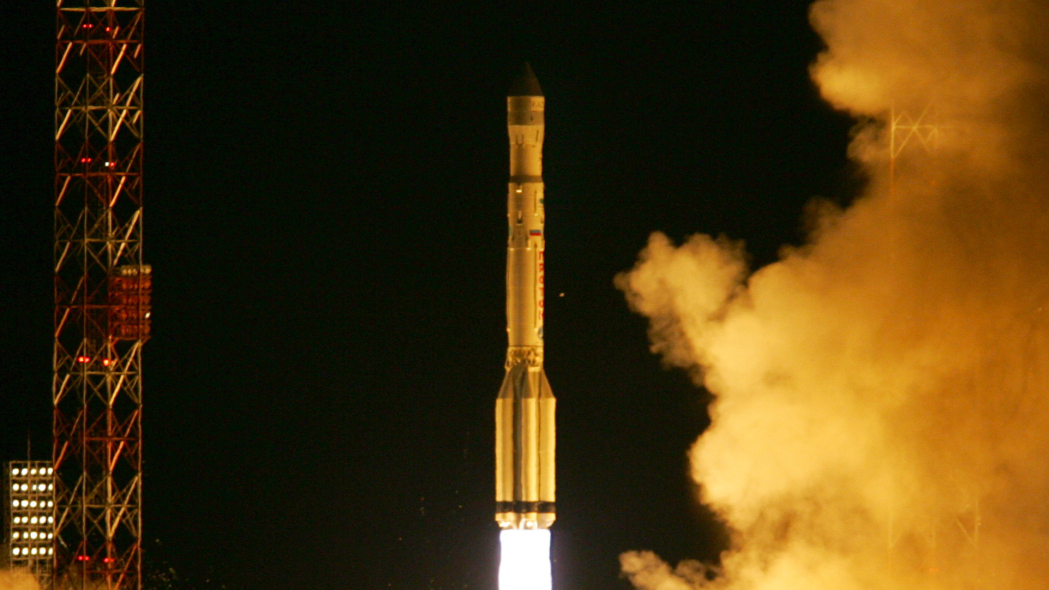


Kazakhstan is set to invest $22.2 million in the development of a new communications satellite, KazSat-3R, as the Central Asian nation prepares to replace its ageing KazSat-3 spacecraft before it reaches the end of its operational life in 2029.
The funding, approved under a government resolution signed by Prime Minister Olzhas Bektenov, is intended to maintain the country's satellite communications network, which supports television broadcasting, data transmission, mobile communications and internet services across Kazakhstan.
KazSat-3R will replace KazSat-3, which was launched in 2014 and remains a key part of the country's telecommunications infrastructure.
Satellite communications are particularly important in Kazakhstan, the world's ninth-largest country by land area, where remote communities are often beyond the reach of conventional terrestrial networks.
According to the government, the KazSat system serves 19 telecommunications operators and provides television services to more than two million subscribers, underlining its strategic importance for both consumers and businesses.
Kazakhstan plans to award the satellite construction contract by the end of 2026. Digital Development, Innovation and Aerospace Industry Minister Zhaslan Madiyev said companies from Russia, China, Türkiye and Finland had submitted bids.
The applicants include Russia's Glavkosmos, China's China Great Wall Industry Corporation and Shanghai Engineering Center for Microsatellites, reflecting strong international competition in a sector dominated by a relatively small number of specialised manufacturers.
The need for a replacement became more pressing after KazSat-3 suffered a power system malfunction in 2023, temporarily disrupting television broadcasting.
Although engineers restored the satellite's operation, the incident exposed the risks associated with ageing orbital infrastructure and reinforced plans to commission a successor before the existing spacecraft reaches the end of its service life.
KazSat-3 was built by Russia's Information Satellite Systems Reshetnev in partnership with an Italian aerospace company and launched into orbit in 2014.
Since then, it has formed the backbone of Kazakhstan's domestic satellite communications network, supporting broadcasters, telecommunications providers and government services.
The KazSat-3R project also reflects Kazakhstan's ambition to strengthen its domestic space industry and reduce dependence on foreign satellite services.
As demand for secure communications and digital connectivity continues to grow, the government sees satellite infrastructure as a key element of the country's telecommunications network.

A building at Saudi Aramco’s headquarters in ...

Air defence activity was heard over Kyiv early Wednesday, hours after a Russian missile strike killed two people and injured 21 in the Ukrainian ca...

Hackers forced the temperature of fridges and freezers in hundreds of French supermarkets up to 50 degrees Celsius overnight, causing fires an...

One person was killed and nearly a dozen hurt in a fresh attack on Riyadh's international airport on Sunday, Saudi authorities reported, a day after a strike claimed by Yemen's Houthis killed 13 people and wounded more than 300.

The Saudi-led coalition in Yemen said late Monday that it intercepted and destroyed two ballistic missiles launched by the Houthi group toward Khamis Mushait in southwestern Saudi Arabia.
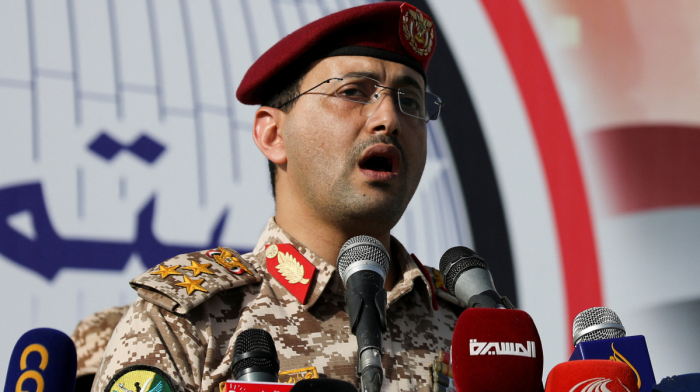
The Houthi movement has escalated their attacks on Saudi Arabia, targeting the airport in Riyadh and other cities, killing more than a dozen people.

Ukrainian President Volodymyr Zelenskyy says Russia hit at least six energy targets in deadly strikes across Ukraine, showing Moscow is unwilling to accept the energy ceasefire announced by U.S. President Donald Trump.
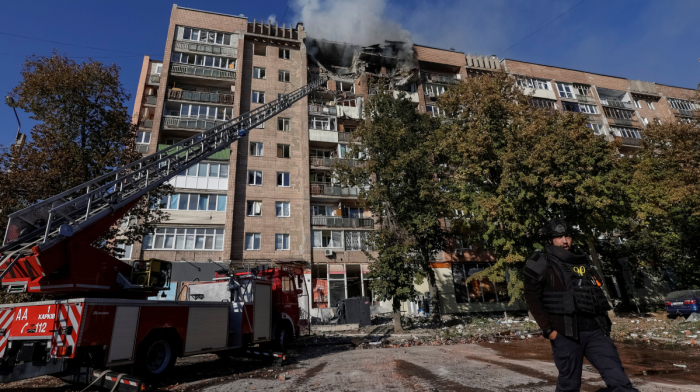
The Kremlin on Monday rejected a 60-day ceasefire idea proposed by Ukrainian President Volodymyr Zelenskyy to allow his country to hold presidential elections, saying it wanted an overall peace deal instead.
A building at Saudi Aramco’s headquarters in the eastern city of Dhahran was attacked late Tuesday, causing a limited fire, Saudi Arabia’s Energy Ministry said on Wednesday. The incident came as fighting between the kingdom and Yemen’s Iran-allied Houthi group intensify.
The Saudi-led coalition in Yemen said late Monday that it intercepted and destroyed two ballistic missiles launched by the Houthi group toward Khamis Mushait in southwestern Saudi Arabia.

Georgia and Uzbekistan are aiming to nearly quadruple annual trade to $1 billion, up from $267.6 million in 2025, as the two countries seek to strengthen economic ties and expand transport links.

Iran has warned against the military use of Starlink, saying it has developed domestic technology capable of countering cyber threats linked to the satellite internet service.
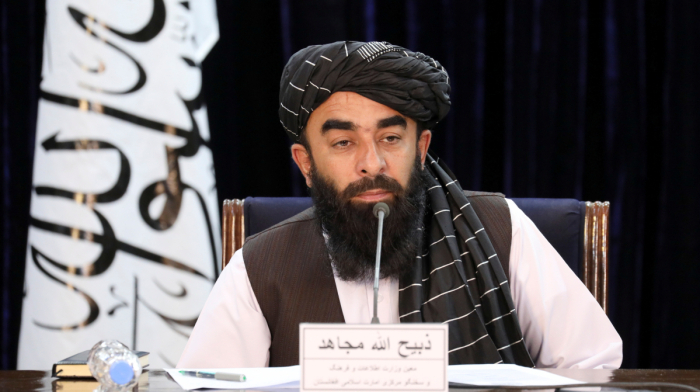
Afghanistan has accused Pakistan of blaming Kabul for its domestic political and security problems, as Islamabad repeated claims that militants are using Afghan territory to launch attacks across the border.
You can download the AnewZ application from Play Store and the App Store.




What is your opinion on this topic?
Leave the first comment