



12:59 CET
Middle East conflict
live Saudi Aramco building attacked, limited fire reported
A building at Saudi Aramco’s headquarters in ...


Uzbekistan is hosting the fifth-anniversary Space Technology Conference - Central Eurasia (STC 2026), bringing together more than 400 delegates, 24 sponsors and representatives from 32 countries to discuss the region’s space industry and expand international cooperation.
Uzbekistan is hosting the 5th-anniversary Space Technology Conference - Central Eurasia (STC 2026), bringing together more than 400 delegates, 24 sponsors, and representatives from 32 countries to discuss the future of the regional space industry and expand international cooperation.
The conference, organised by Dialogue Events and hosted by Uzcosmos, has established itself as a key platform linking Central Eurasia with the global space community. Since its launch in 2022, the forum has served as an annual meeting point for policymakers, industry leaders and international organisations.
This year’s edition features participation from national space agencies across Central Eurasia, including Azerbaijan, Kazakhstan and Türkiye, alongside international organisations such as the International Telecommunication Union and the International Astronautical Federation.
Discussions are focused on strengthening regional cooperation, fostering cross-border partnerships and enhancing the region’s role in the global space economy. The programme includes panel discussions, technical sessions and business meetings aimed at facilitating government-to-business and business-to-business engagement.
Mukhiddin Ibragimov, Deputy Director of Uzcosmos, told AnewZ that Uzbekistan is planning to launch its first national satellite in 2028. The satellite, named “Mirzo Ulugbek”, is being developed with the involvement of Uzbek master’s students currently studying abroad.
He added that the country is also advancing its astronaut programme, with efforts underway to select and train Uzbekistan’s first astronaut, who could be sent into space by around 2030.
The conference comes at a pivotal moment for Uzbekistan, as the country accelerates efforts to develop its national space capabilities.
Experts say demand for satellite data in sectors such as agriculture, environmental monitoring and urban planning continues to grow, driving investment and technological development across the region.
Nigina Mukimova, Regional Manager at Planet Company, told AnewZ that satellite insights are becoming increasingly important, particularly for Central Asia, where challenges such as water resource management require more advanced monitoring and data-driven solutions.
STC 2026 is expected to pave the way for new partnerships and joint projects, reinforcing Central Eurasia’s position on the global space map.
The conference also sets the stage for the International Astronautical Congress 2028, which Uzbekistan is due to host in Samarkand, marking another milestone in the country’s expanding role in the global space sector.

A building at Saudi Aramco’s headquarters in ...
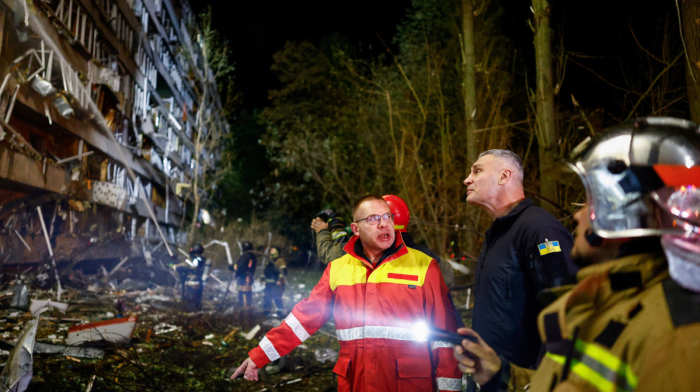
Russian strikes killed ...

Cornell University has prohibited parties and social gatherings at fraternity houses for the remainder of the academic year following allegations o...

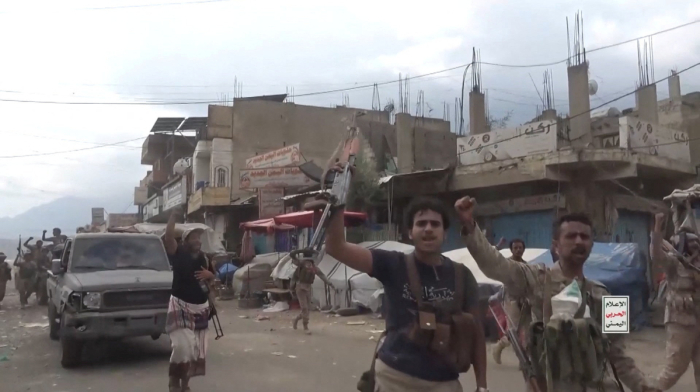
One person was killed and nearly a dozen hurt in a fresh attack on Riyadh's international airport on Sunday, Saudi authorities reported, a day after a strike claimed by Yemen's Houthis killed 13 people and wounded more than 300.

The Saudi-led coalition in Yemen said late Monday that it intercepted and destroyed two ballistic missiles launched by the Houthi group toward Khamis Mushait in southwestern Saudi Arabia.

Ukrainian President Volodymyr Zelenskyy says Russia hit at least six energy targets in deadly strikes across Ukraine, showing Moscow is unwilling to accept the energy ceasefire announced by U.S. President Donald Trump.
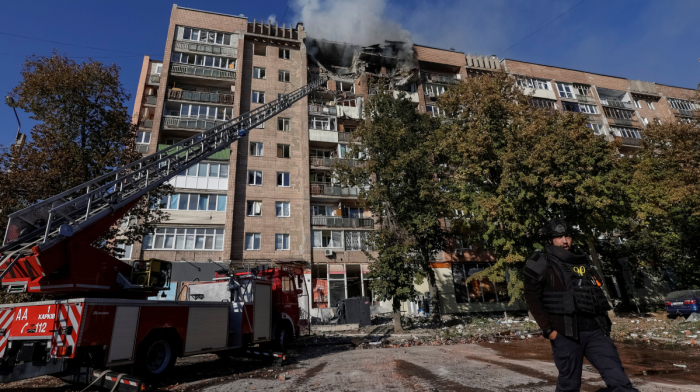
The Kremlin on Monday rejected a 60-day ceasefire idea proposed by Ukrainian President Volodymyr Zelenskyy to allow his country to hold presidential elections, saying it wanted an overall peace deal instead.
A building at Saudi Aramco’s headquarters in the eastern city of Dhahran was attacked late Tuesday, causing a limited fire, Saudi Arabia’s Energy Ministry said on Wednesday. The incident came as fighting between the kingdom and Yemen’s Iran-allied Houthi group intensify.
A building at Saudi Aramco’s headquarters in the eastern city of Dhahran was attacked late Tuesday, causing a limited fire, Saudi Arabia’s Energy Ministry said on Wednesday. The incident came as fighting between the kingdom and Yemen’s Iran-allied Houthi group intensify.
The Saudi-led coalition in Yemen said late Monday that it intercepted and destroyed two ballistic missiles launched by the Houthi group toward Khamis Mushait in southwestern Saudi Arabia.
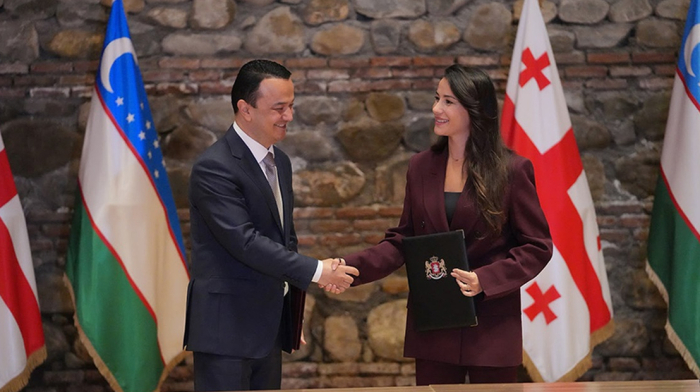
Georgia and Uzbekistan are aiming to nearly quadruple annual trade to $1 billion, up from $267.6 million in 2025, as the two countries seek to strengthen economic ties and expand transport links.

Iran has warned against the military use of Starlink, saying it has developed domestic technology capable of countering cyber threats linked to the satellite internet service.
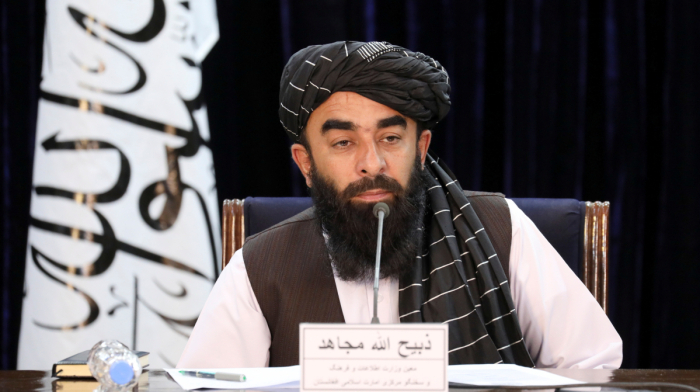
Afghanistan has accused Pakistan of blaming Kabul for its domestic political and security problems, as Islamabad repeated claims that militants are using Afghan territory to launch attacks across the border.
You can download the AnewZ application from Play Store and the App Store.




What is your opinion on this topic?
Leave the first comment