live Trump sees 'progress' in Israel-Lebanon talks as Hezbollah rejects ceasefire
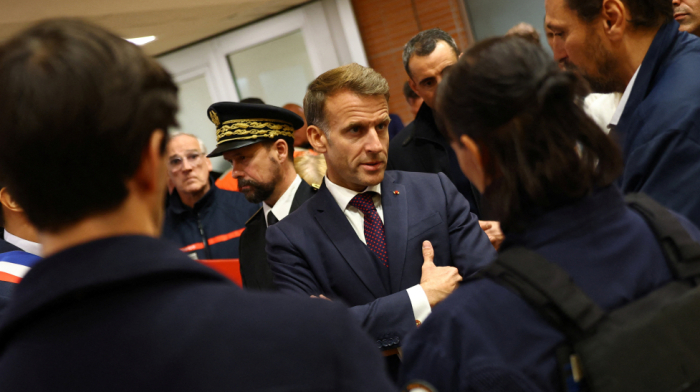
U.S. President Donald Trump said he sees progress between Israel and Lebanon after talks with Netanyahu, while Hezbollah has rejected a new ceasefire ...
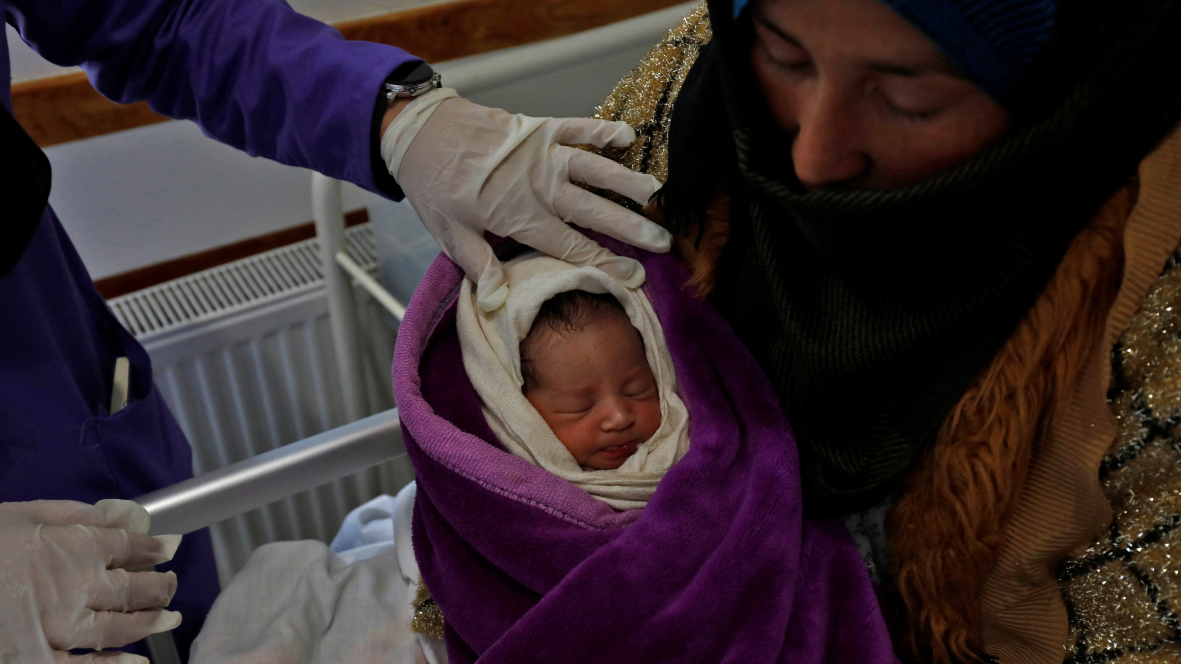
The United Nations has warned that Afghanistan has one of the highest maternal mortality rates in the world, with around 600 mothers dying for every 100,000 live births.
The United Nations Office for the Coordination of Humanitarian Affairs (OCHA) said the figures highlight the scale of the crisis facing mothers and newborns in Afghanistan.
In a statement posted on X, OCHA said: “Afghanistan has one of the highest maternal mortality rates (~600 deaths per 100,000 live births).”
The agency said skilled medical care and female health workers are vital in reducing deaths among women and babies.
OCHA said: “Skilled care & women health workers save lives, but restrictions on women’s participation are limiting access to life-saving services for mothers and newborns.”
The warning comes as Afghanistan’s health system continues to face significant pressure, particularly in rural areas where many families have limited access to hospitals, trained midwives and emergency care.
Women and newborns are among the most vulnerable groups affected by the country’s healthcare crisis. Aid agencies have repeatedly said that when women cannot access female health workers, families may delay or avoid seeking medical treatment.
OCHA said maternal deaths are linked not only to medical complications but also to access to care. For many families, distance, poverty, a lack of transport and shortages of female staff remain major barriers.
The World Health Organization (WHO) has also reported high maternal mortality rates in Afghanistan, saying many deaths are linked to preventable complications during pregnancy and childbirth.
Afghan authorities have rejected OCHA’s figures.
Sharafat Zaman, spokesperson for Afghanistan’s Ministry of Public Health, told local broadcaster Tolo News that the figures were estimates and did not reflect the ministry’s official data.
He said that only 200 mothers died last year, which he said represented a decline in the maternal mortality rate compared with previous years.

Iran’s Revolutionary Guards (IRGC) said in a statement that its Aerospace Force did not strike the Kuwait Airport passenger terminal on Wednesday, and that the destruction was instead caused by a failed U.S. Patriot missile.
Five Azerbaijani citizens have been killed and three others injured following drone attacks on two cargo vessels in the Sea of Azov, Azerbaijan's Foreign Ministry said on Friday.
Israel and Lebanon have agreed to implement a ceasefire after U.S.-backed talks in Washington. The deal requires Hezbollah to halt attacks and withdraw from southern Lebanon, while both sides will resume direct talks later this month aimed at reaching a broader agreement.
As Armenia heads toward parliamentary elections on 7 June, the country's relationship with Azerbaijan is emerging as one of the defining issues of the campaign, with analysts and international observers highlighting the role of regional politics in shaping voters’ mindsets.
Armenia will hold parliamentary elections on 7 June 2026, a vote that will shape the country’s political direction for the next five years. Understanding how the electoral system converts votes into parliamentary power is key to following the outcome and its wider regional implications.
Azerbaijan is once again at the centre of global climate diplomacy, hosting World Environment Day 2026 and bringing together international leaders, policymakers and organisations to address urgent environmental challenges.
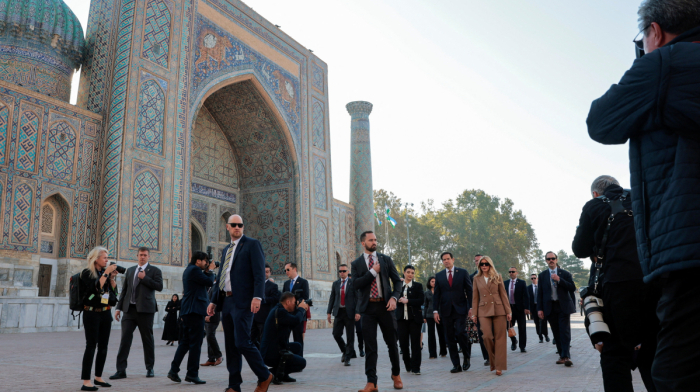
The Eighth Global Environment Facility (GEF) Assembly has concluded in Samarkand, bringing together representatives from 186 countries to set environmental priorities and approve new funding for climate, biodiversity and sustainable development initiatives.
The United Nations Assistance Mission in Afghanistan (UNAMA) has warned ahead of World Environment Day that Afghanistan's worsening water crisis is disproportionately affecting women and girls, who bear much of the responsibility for securing water for their families.
Azerbaijan is increasingly positioning itself as a strategic bridge between East and West, using a combination of diplomacy, energy cooperation and regional connectivity to expand its international influence.
Urbicide is as much about destroying a community’s identity as it is about destroying its physical space, according to a new study examining the cities of Grozny in Chechnya, Aghdam in Azerbaijan and Aleppo in Syria.
You can download the AnewZ application from Play Store and the App Store.
What is your opinion on this topic?
Leave the first comment