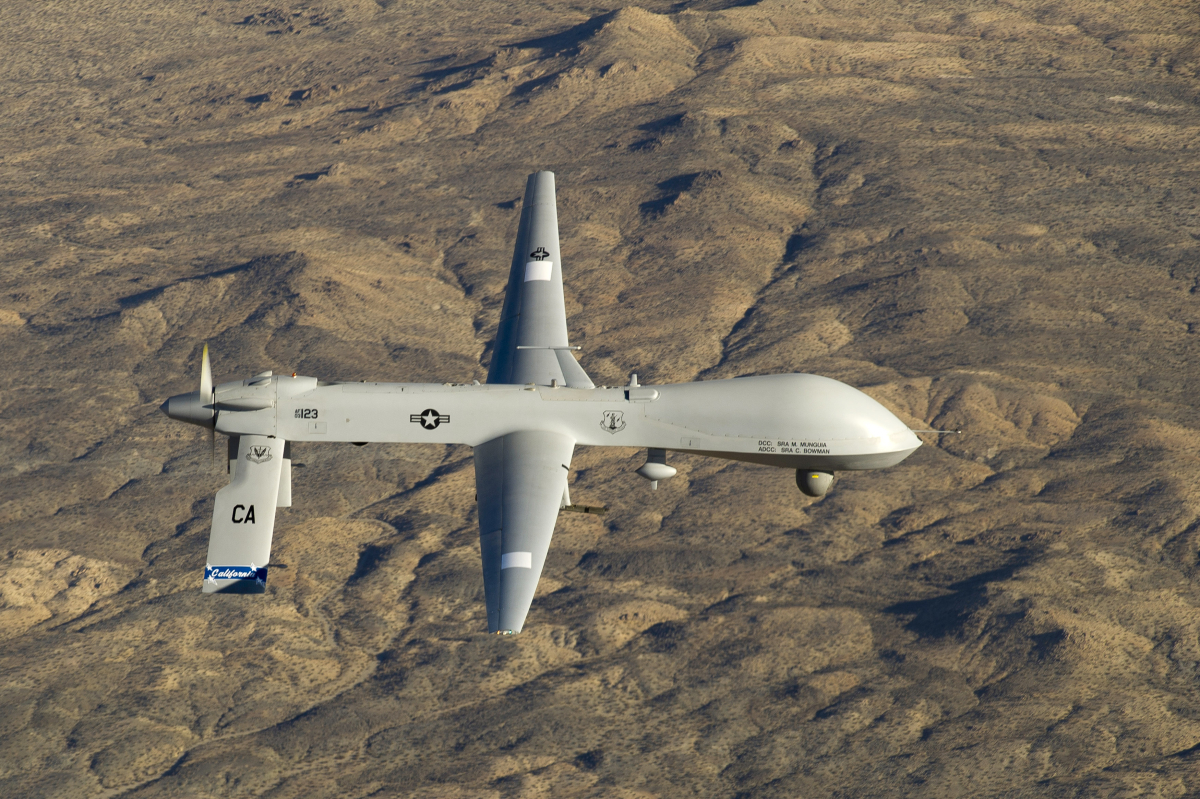
Iran says it has shot down a U.S. MQ-1 Predator drone east of the Strait of Hormuz, as diplomatic efforts to end the war continue and looming electricity shortages threaten to deepen the country's energy crisis.
The Islamic Revolutionary Guard Corps (IRGC) said on Sunday that its aerospace division had intercepted and destroyed the drone earlier in the day.
In a statement, the IRGC claimed it was the 20th U.S. MQ-1 Predator drone shot down by Iranian air defences in recent months. It also said it had intercepted a fourth U.S. reconnaissance and combat drone in just 24 hours.
The force warned that any violation of Iranian airspace would be met with a “harsh, decisive and authoritative The force warned that any violation of Iranian airspace would be met with a “harsh, decisive and authoritative response”.
The claims could not be independently verified.
Hopes for a diplomatic breakthrough
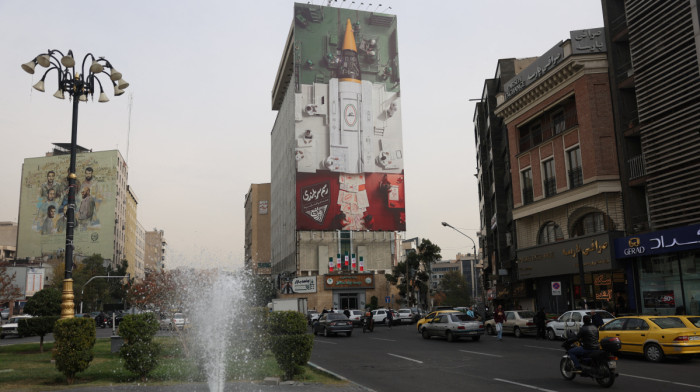
Despite the escalating conflict, some Iranians remain cautiously optimistic that a diplomatic breakthrough is possible.
Those hopes were boosted by talks between Iranian officials and a Qatari delegation in Tehran on Friday, 20 November.
“These diplomatic visits could lead to an agreement, but only if they accept Iran's seven conditions,” said one resident, Soleiman. “I think an agreement will be reached.”
Iranian Deputy Foreign Minister Kazem Gharibabadi said Tehran remained in contact with mediators, including Qatar, which has helped facilitate dialogue between Iran and the U.S.
Foreign Minister Abbas Araghchi has also signalled Tehran's willingness to pursue a diplomatic solution to the conflict.
However, U.S. President Donald Trump said Tehran was seeking an agreement, but its proposed terms remained unacceptable to Washington.
Conflict puts pressure on energy supplies
Meanwhile, Iran is set to introduce electricity rationing from Sunday, with damage to critical infrastructure worsening an already strained energy system.
Under the planned measures, households could face two-hour power cuts every other day, while some areas may experience daily outages lasting up to two hours.
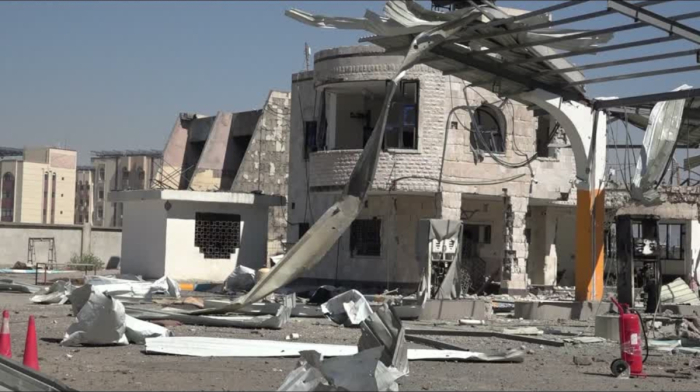
President Masoud Pezeshkian said on Saturday that U.S. and Israeli strikes on Iranian energy facilities had aggravated the crisis, warning of further pressure on supplies as winter approaches.
Despite holding some of the world's largest oil and gas reserves, Iran has struggled to maintain its energy infrastructure after years of Western sanctions restricted investment. An ageing electricity grid and recurring fuel shortages have further strained supplies.
Power cuts have become increasingly common in recent years, with extreme weather adding to the country's energy challenges.
A wider regional crisis
The conflict began on 28 February, when the U.S. and Israel launched strikes against Iran. Tehran retaliated with attacks on Israel and Gulf states hosting U.S. military bases.
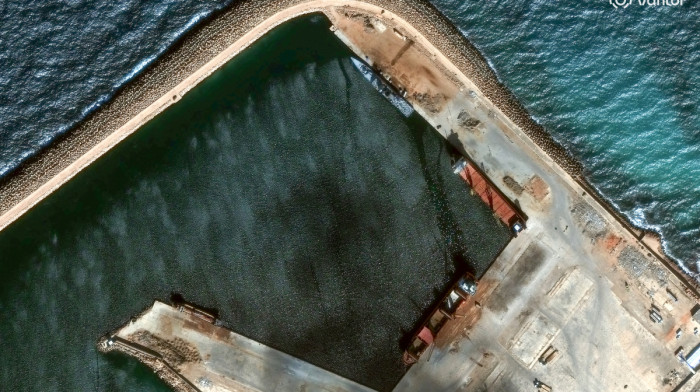
The fighting has since spread across the region, disrupting key shipping routes and driving up global energy prices.
Read more:










What is your opinion on this topic?
Leave the first comment