The COP31 climate summit in Antalya, Türkiye, ended without a political agreement after deep divisions over fossil fuels, with negotiators accusing Saudi Arabia of exerting disproportionate influence over the talks.
The conference concluded on Sunday (22 November) after record overtime, marking the first failure to reach a political agreement at a United Nations climate summit since 2009.
Negotiators from Europe, small island states, Latin America, Asia and Africa said Saudi officials had enjoyed frequent access to the Turkish and Australian conference presidencies, while other delegations struggled to secure meetings.
Riyadh was at the forefront of resisting language on reducing reliance on fossil fuels, the negotiators said, adding that was chiefly why a political agreement could not be reached. It was a position that clashed with demands from the European Union and countries particularly vulnerable to climate change.
The European Union, several small island states, and other nations said they could not accept a text that failed to mention the oil, gas, and coal that scientists say drive global warming.
“This COP, I believe, was hijacked by some oil states,” Irish Climate Minister Darragh O'Brien told Reuters on behalf of the EU when asked about Saudi Arabia's role.
The Turkish COP presidency denied giving any country or group preferential treatment. Saudi Arabia and Australia did not immediately respond to requests for comment.
Fossil fuels were explicitly mentioned in texts from previous COPs in 2021 in Glasgow and 2023 in Dubai.
Several negotiators said Riyadh's hand was strengthened at Antalya by the absence of active U.S. engagement at COP31 and the lack of close U.S.-China coordination that has helped broker compromises at previous COPs.
“Instead of having one or two major players helping define the boundaries of the discussion, those boundaries have become less clear,” Singapore Environment Minister Grace Fu said.
Fossil fuel language becomes central dispute
Negotiations became increasingly difficult after the Turkish presidency presented a revised draft that omitted any reference to fossil fuels.
Saudi Arabia and other members of the Organization of the Petroleum Exporting Countries have long opposed language targeting oil, gas and coal, arguing that these energy sources will remain necessary for the foreseeable future.
Delegates said Riyadh also pushed for stronger references to carbon capture technologies, which are designed to reduce emissions associated with fossil fuel use.
The European Union and other countries rejected the proposed approach, insisting that any credible agreement should acknowledge the need to transition away from fossil fuels.
Germany subsequently coordinated discussions with members of the High Ambition Coalition, bringing together climate-vulnerable nations, African countries and developed economies.
The group produced a letter backed by approximately 130 countries calling for explicit language on transitioning away from fossil fuels.
However, the revised text presented early on Sunday still contained no reference to fossil fuels and retained strong support for carbon capture technologies.
“It seems like we are negotiating with the Saudis,” Tuvalu's Climate Minister Maina Talia said in response.
Negotiators question balance of influence
Several delegates said Saudi, Chinese and Russian officials had frequently visited the presidency's offices as negotiations entered their final stages.
However, representatives from other groups, including small island states, reported difficulties securing meetings with conference leaders.
COP31 concludes without consensus
As negotiations continued into Sunday, delegations began leaving Antalya while officials struggled to bridge their differences.
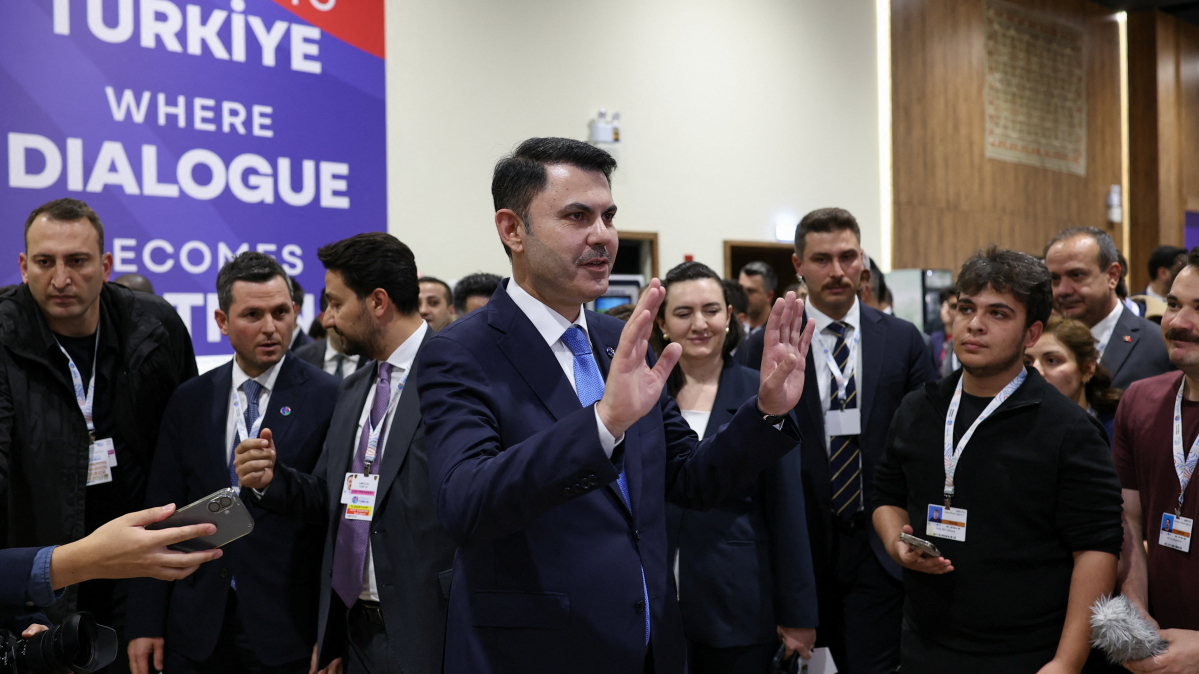
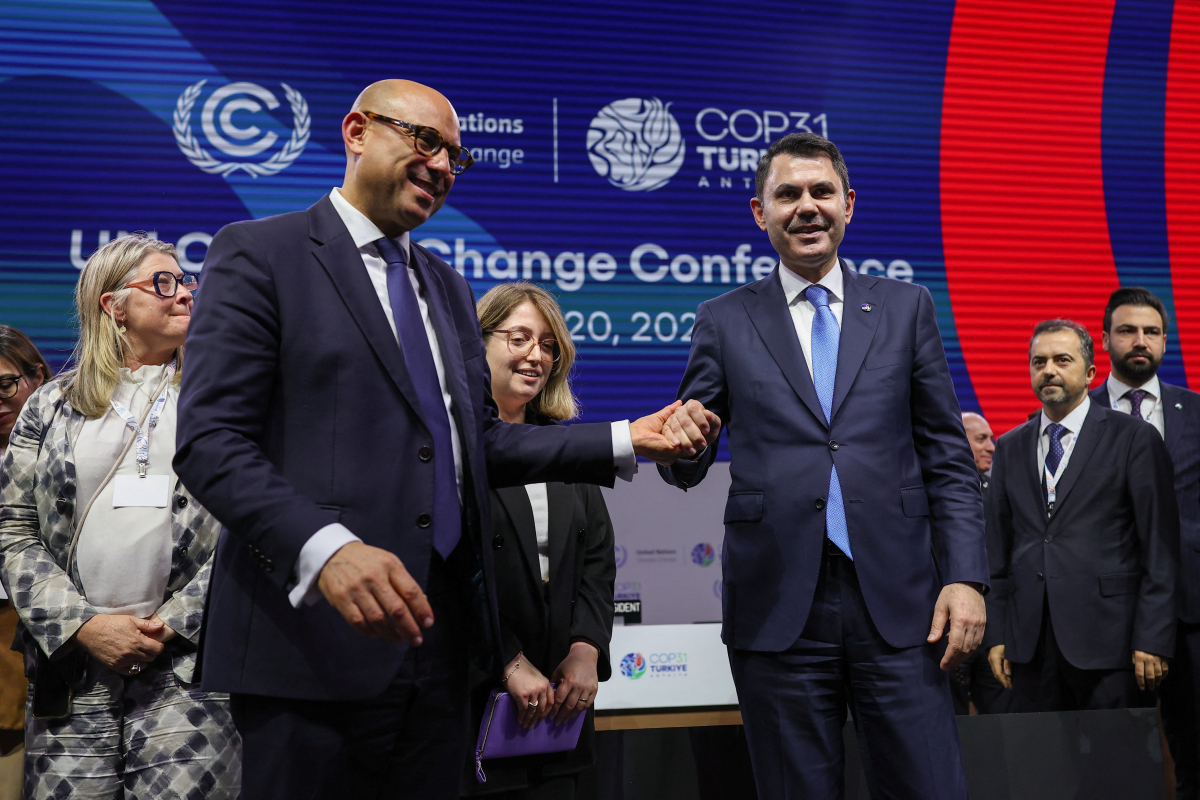
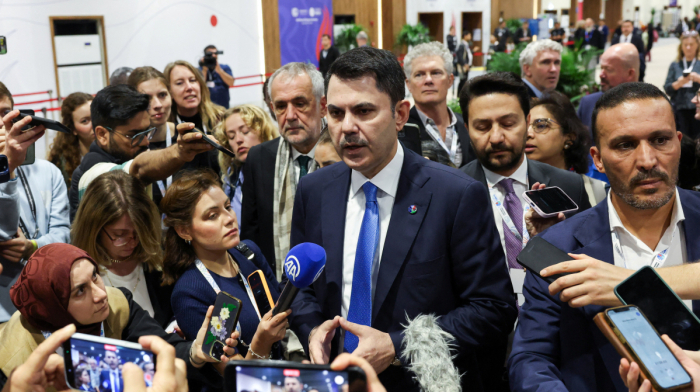
During the closing plenary, COP31 President Murat Kurum acknowledged that consensus had not been reached and confirmed that no further text would be advanced.
The outcome highlighted persistent disagreements between fossil fuel-producing nations and countries seeking faster progress towards a low-carbon economy.
Danish Climate Minister Samira Nawa expressed concern that countries dependent on fossil fuel production had gained greater influence over the negotiations.
The failure to secure a political agreement marks a setback for international climate diplomacy, particularly as governments face increasing pressure to accelerate emissions reductions and strengthen financial support for vulnerable countries.















What is your opinion on this topic?
Leave the first comment