Uzbekistan plans to roll out a revised Latin alphabet across public institutions from 22 April 2027, bringing changes to official documents, including passports, identity cards and driving licences, under a draft government resolution published by the Ministry of Justice.
New alphabet to be introduced across public institutions
The proposed changes will require government bodies, businesses and other legal entities to adopt the updated Uzbek alphabet in official documents, correspondence and published information from 22 April 2027.
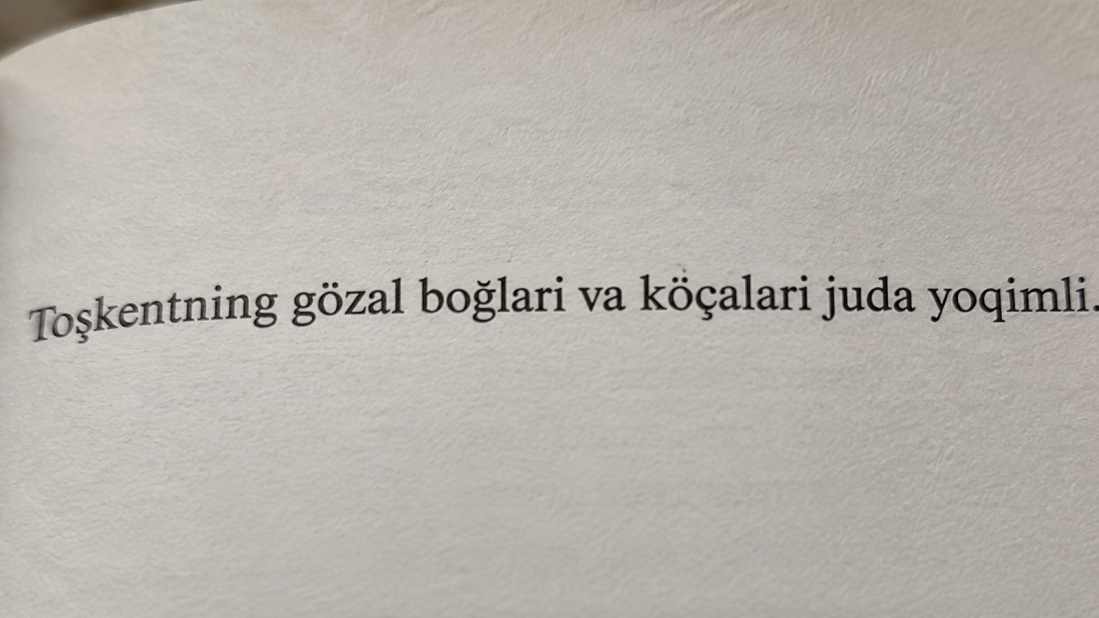
The revised alphabet introduces four letters: Ş, Ç, Ö and Ğ, following the adoption of legislation in October 2026. For example, the sentence currently written as: “Toshkentning go‘zal bog‘lari va ko‘chalari juda yoqimli” (Tashkent's beautiful gardens and streets are very lovely) would become “Toşkentning gözal boğlari va köçalari juda yoqimli.”
School textbooks will be updated gradually, while government agencies and organisations are encouraged to start using the revised alphabet ahead of the deadline.
Existing documents to remain valid
Documents issued under the existing alphabet will remain legally valid, while current document forms may continue to be used until 2028.
The draft also prohibits authorities from denying citizens public services, identity verification or document acceptance solely because their names use either version of the alphabet.
Official identification cards for government employees and staff at other organisations will be updated as they are replaced, in line with each institution's internal procedures.
Government agencies to oversee transition
Government bodies and organisations must draw up implementation plans within one month, detailing changes to their systems, deadlines, funding sources and responsible officials. Progress will be assessed at least once a month.
The changes will not affect domain names, email addresses, usernames, account numbers or contract numbers. Texts in foreign languages, foreign names, international company names and trademarks can also keep their original spelling.
Transition costs in 2027 will be met through existing ministry and agency budgets, with funding from 2028 incorporated into the state budget framework.
The draft resolution will remain open for public consultation until 6 December 2026.
Read more:


















What is your opinion on this topic?
Leave the first comment