Uzbekistan’s President Shavkat Mirziyoyev has approved a new alphabet, bringing the Latin-script Uzbek alphabet closer to other alphabets used in the Turkic world.
The changes replace the letters and letter combinations ‘o,’ ‘g,’ ‘sh’ and ‘ch’ with “ö”, “ğ”, “ş” and “ç”, respectively. The use of “ng” has also been removed from the alphabet.
Uzbekistan’s new Uzbek alphabet will consist of 28 letters and an apostrophe, instead of the current 26 letters and three-letter combinations.
The changes make the alphabet more similar to other Latin alphabets used in the Turkic world, such as in Azerbaijan and Türkiye.
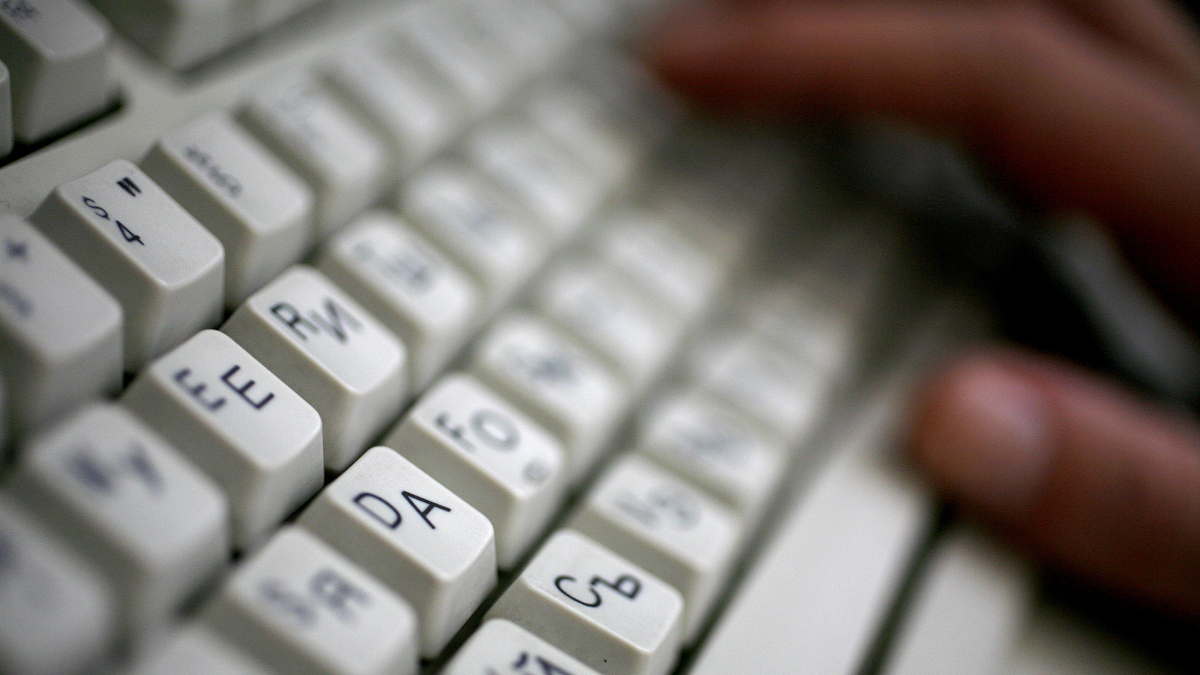
Saida Mirziyoyeva, Head of the Presidential Administration, said that the goal was to get rid of weaknesses in the Uzbek writing system and facilitate the use of Uzbek in digital settings.
Existing documents and currency will remain valid, and textbooks in the country will be gradually updated.
Textbooks to be renewed by 2031
Schools will transition to the new alphabet in 2027 with first graders, and the complete renewal of textbooks is expected to be completed by 2031.
Uzbekistan used the Latin alphabet between 1929 and 1940 but switched to the Cyrillic alphabet after 1940.
Following its declaration of independence from the Soviet Union, it transitioned back to the Latin script. The original version contained 33 letters. In 1995, some letters were replaced with the combinations ‘sh,’ ‘ch,’, ‘o,’ ‘g,’ and ‘ng,’ while the letter “c” was removed.
The transition from Cyrillic to Latin script was meant to be completed by 2000, but both writing systems remain in use in Uzbekistan.
Read more from Uzbekistan:











What is your opinion on this topic?
Leave the first comment