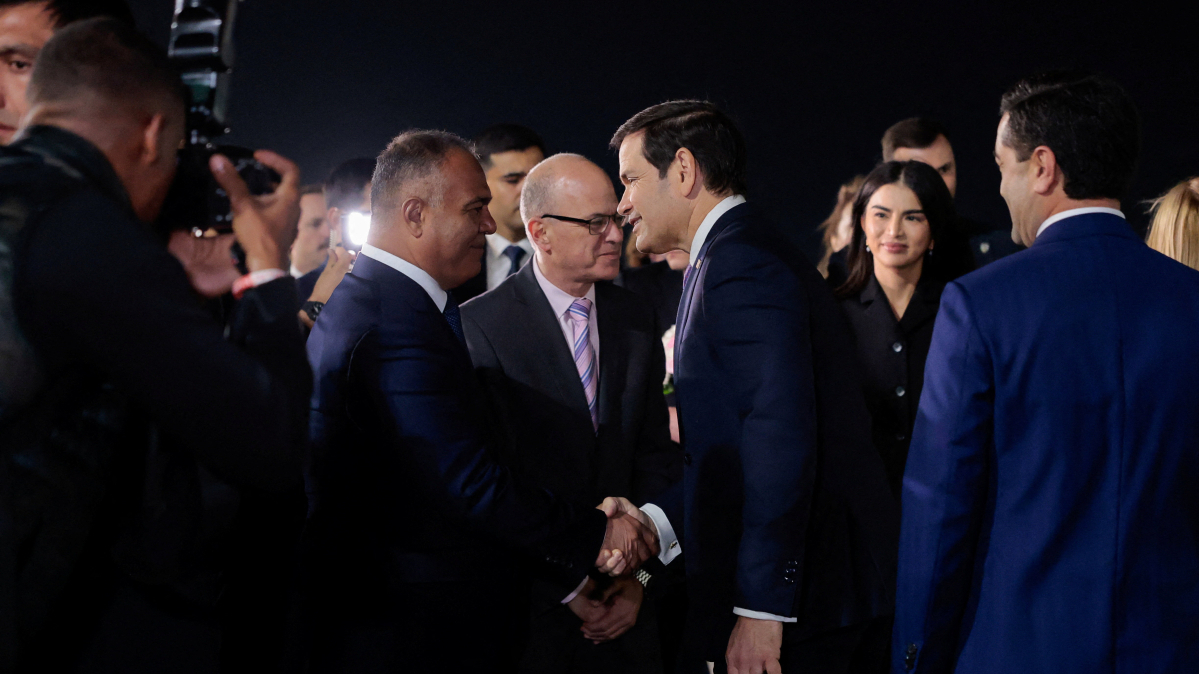
U.S. Secretary of State Marco Rubio arrived in Samarkand, Uzbekistan, on Sunday for talks with Central Asian officials, as the Trump administration seeks to strengthen ties with a resource-rich region bordering China, Russia and Iran.
Rubio is meeting representatives of the C5+1, a format bringing together the United States and Uzbekistan, Kazakhstan, Kyrgyzstan, Tajikistan and Turkmenistan. More than 200 business executives are accompanying him, according to the State Department.
The visit comes as Washington faces several foreign policy challenges, including the war with Iran, Saudi Arabia’s conflict with the Houthis and renewed tensions with Ukraine.
Push for stronger ties
U.S. officials argue that Central Asia deserves greater attention from Washington because of its strategic position and natural resources. The administration’s commercial engagement has focused on expanding access to the region’s critical minerals, including rare earths.
Trump hosted the leaders of the five countries at the White House last November, when Kazakhstan agreed to join the Abraham Accords, a series of agreements under which Muslim-majority countries have normalised or deepened relations with Israel. The United States has also discussed the accords with other Central Asian countries, Reuters reported last year.
Before leaving Washington on Saturday, Rubio said diplomacy too often focused on crises rather than long-term relationships. “One of the things that suffers is the strategic business,” he told reporters, adding that officials often travelled because of “a crisis, a problem or a conference”.
Sanctions concerns
Central Asia’s close historical ties with Moscow remain a key issue for Washington. Western officials say the region has facilitated Russian trade that violates U.S. and European Union sanctions.
A Central Asian diplomat, speaking on condition of anonymity, said regional officials were seeking clarity on whether Washington would keep targeting Russian sanctions evasion, as the Trump administration eases some restrictions on Russian oil.
Trump struck a deal with Moscow this month to import Russian diesel, aiming to lower fuel prices at home ahead of the midterm elections. On Friday, he waived provisions of legislation that would have allowed the United States to impose steep tariffs on countries buying large quantities of Russian crude or helping Moscow evade sanctions. India and Kazakhstan could have been affected by the measures, according to experts cited by Reuters.
Next stop: India
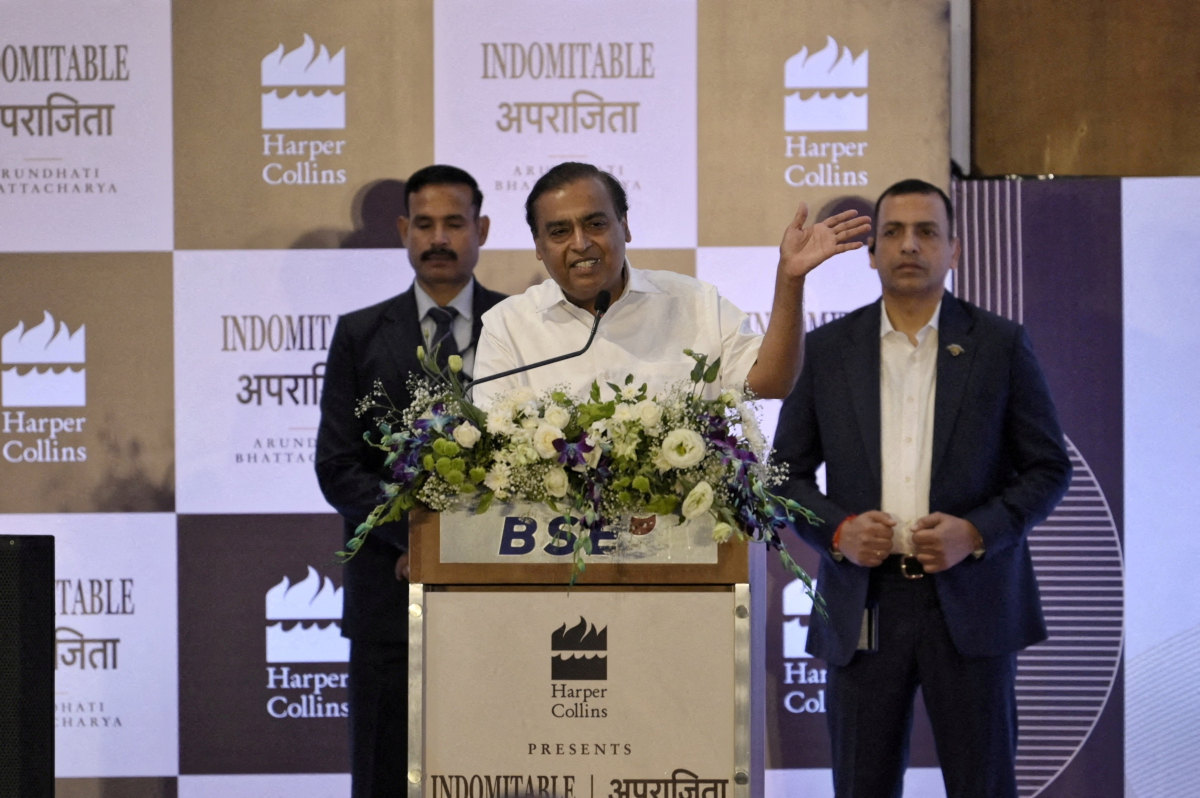
Rubio will travel on to Mumbai and Jamnagar in India, where he is due to meet business leaders, including Reliance Industries Chairman Mukesh Ambani, who won favour with the Trump administration this year by backing a new refinery in Texas.
A U.S. official, speaking on condition of anonymity, said on Friday that a trade deal with India was “pretty much done”, raising the possibility of an announcement during the trip. India remains the world’s second-largest importer of Russian crude after China, despite Trump’s earlier statement that New Delhi had agreed to stop buying Russian oil.
Read more:











What is your opinion on this topic?
Leave the first comment