The U.S. Army plans to detonate 68 barrels of deteriorating lead-based explosives in Iowa on Wednesday, 25 November, despite a federal appeals court order blocking the operation, raising fears of toxic lead pollution.
The decision has sparked concern among residents, farmers and environmental groups over the risk of toxic lead dust spreading to nearby communities.
The U.S. Court of Appeals for the 8th Circuit temporarily blocked the operation on Thursday, suspending the Army's environmental permit after environmental organisations filed a lawsuit.
However, in a court filing on Saturday, the Justice Department said the Army would go ahead with the detonation, invoking an emergency exception to federal environmental laws governing munitions and explosives.
Army warns of uncontrolled explosion
Federal officials warn that falling temperatures could make the deteriorating lead azide, an explosive compound used in military ammunition, increasingly unstable, raising the risk of an uncontrolled blast.
“The Army must perform a controlled detonation to protect the public from the more significant threat from an uncontrolled explosion,” the Justice Department said in its filing.
The Army had previously postponed the operation amid opposition from residents and farmers near Middletown, Iowa.
While the Justice Department initially said the detonation would take place by Tuesday, 24 November, the Army later set the date for Wednesday, 25 November.
In a post on X, the Army said the new schedule would allow for favourable weather conditions and additional safety measures.
Environmental groups warn of toxic lead pollution
The Iowa Environmental Council and the Sierra Club's Iowa chapter have challenged the detonation in court, warning that the blast could send a plume of toxic lead dust into the air.
They warn that the plume could spread up to 160 kilometres north of the site, depending on weather conditions.
Lead exposure can cause serious health problems, particularly in children, including damage to the brain and nervous system.
Kerri Johannsen, senior director of policy and programmes at the Iowa Environmental Council, criticised federal authorities for failing to provide sufficient information to those potentially at risk.
She said residents and state officials had been given too little warning, with crucial questions unanswered about when the blast would occur, where the plume might travel and what precautions people should take.
“There was not enough information being shared,” Johannsen told Reuters.
Farmers and residents urged to take precautions
The Iowa Department of Agriculture and Land Stewardship has advised cattle farmers near the site to move livestock, feed and equipment indoors or to safer locations.
However, some farmers say moving livestock indoors is simply not practical.
The Army has urged residents to stay away from the area during the blast. Those unable to leave should remain indoors, shut windows and doors, and turn off ventilation systems that bring in outside air.
Once the risk of exposure has passed, residents have been advised to clean surfaces that children may touch using wet-cleaning methods to remove any lead dust.
Acting Secretary of the Army Adam Telle said the Army and the U.S. Environmental Protection Agency had concluded that a controlled detonation posed the lowest risk to public safety.
Environmental campaigners, however, remain unconvinced that the precautions will adequately protect nearby communities.
Local residents express fears over planned blast
The planned explosion has also left local residents worried about the potential fallout.
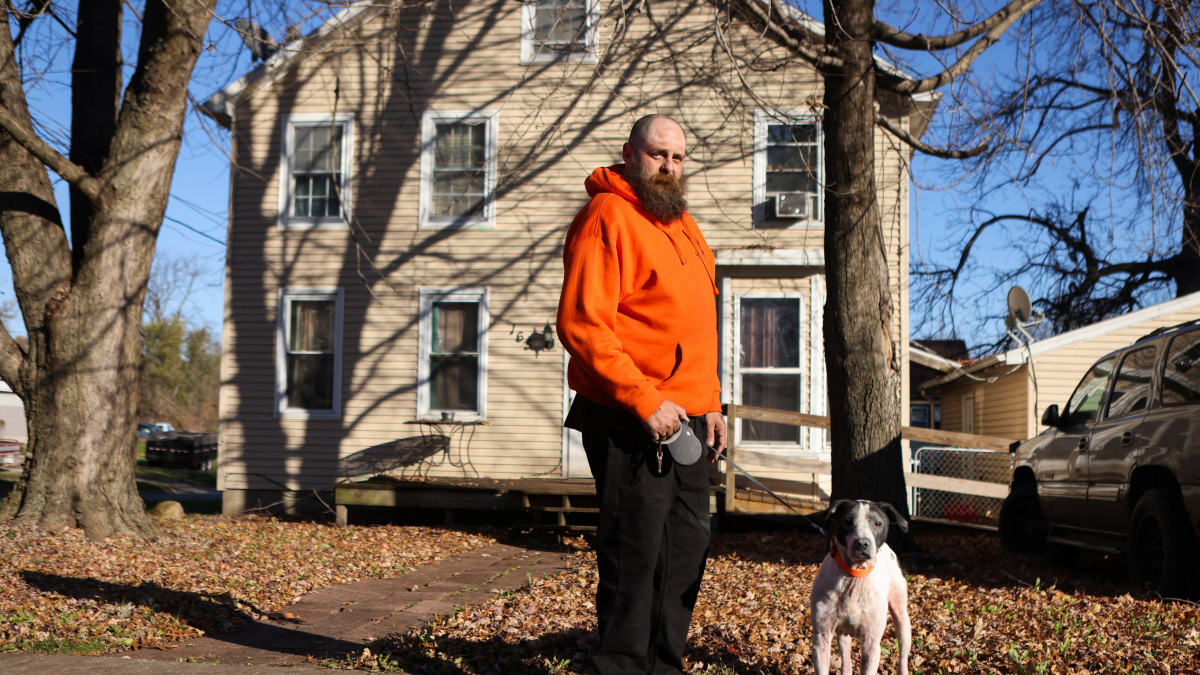
Jeremy Atwater, a resident of Augusta, Iowa, said he planned to head west amid fears that a toxic plume could drift south towards his community.
“Anything but the bomb,” Atwater told Reuters. “It's just going to be a big problem.”
The Army has promised to release further details, but uncertainty remains over the exact timing of the blast, its potential environmental consequences and whether the safety measures will be enough.
For now, the detonation remains scheduled for Wednesday, 25 November, with the legal challenge unresolved and nearby communities bracing for the blast.


















What is your opinion on this topic?
Leave the first comment