Armenia unveiled a draft Constitution on Monday, 23 November, removing a reference that Azerbaijan considers a territorial claim, in a move that could help clear the way for a long-awaited peace treaty between the two neighbours.
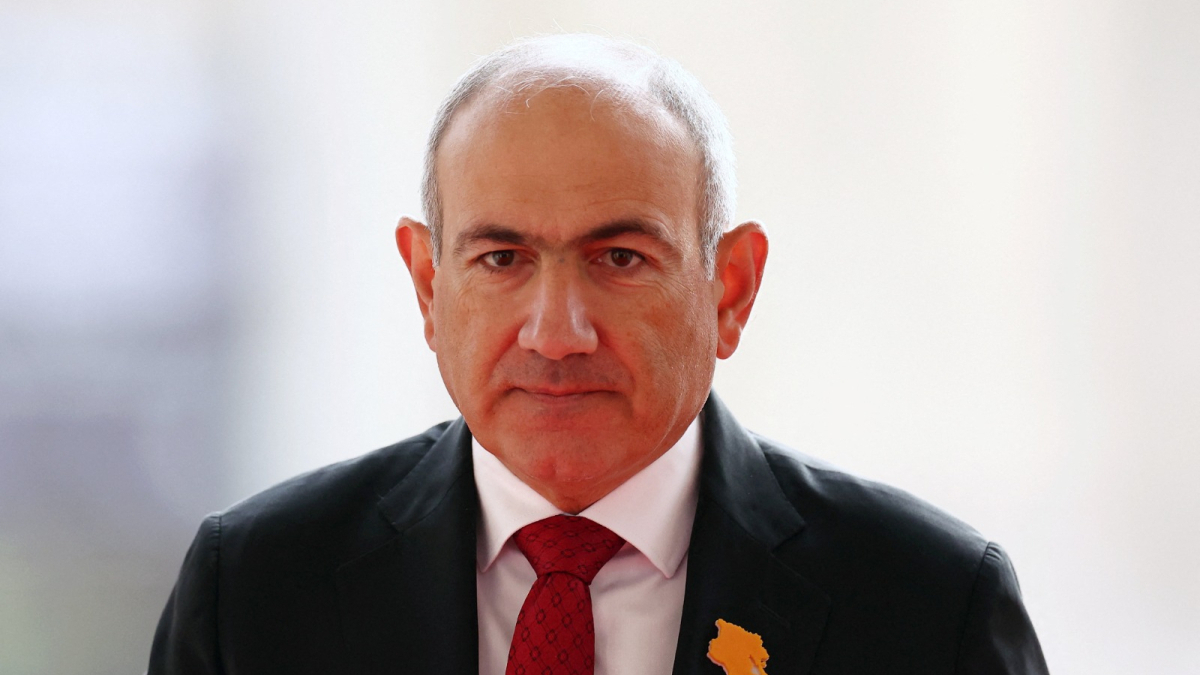
Prime Minister Nikol Pashinyan said adopting the new Constitution would pave the way for the signing and ratification of the peace treaty, which was initialled in Washington in August 2025 but remains unsigned.
The proposed overhaul goes beyond the territorial dispute, introducing changes to voting rights, citizenship protections and constitutional procedures. But it must first win parliamentary backing before Armenian voters can have their say.
Why does the constitutional change matter to Azerbaijan?
Armenia's current constitutional preamble refers to the 1990 Declaration of Independence, which cites a 1989 decision concerning the unification of Armenia and Garabagh.
Azerbaijan regards this as a territorial claim against its sovereignty and has made its removal a condition for signing the peace treaty. Armenia rejects that interpretation.
The draft eliminates the disputed reference, instead emphasising the creation of a peaceful and secure Armenian state within its internationally recognised territory.
Pashinyan described the move as a historic chance to secure lasting peace.
“I am putting all the trust I have earned as a politician and as a person, as well as my entire moral authority, on the line when I say that, after the adoption of the new constitution, we will not only sign and ratify a peace agreement with Azerbaijan, but will also achieve institutional, lasting and irreversible peace,” he said in his 23 November address, according to NEWS.am.
In a February 2026 interview with France 24, Azerbaijani President Ilham Aliyev said peace with Armenia had already been achieved, even without a formally signed treaty.
Speaking to AnewZ two weeks before the draft's publication, Azerbaijani MP Parvana Valiyeva voiced hope that Armenia would address the disputed constitutional provisions.
She said it remained unclear which articles would be amended and warned that Pashinyan faced a parliamentary challenge in securing a referendum.
“He doesn't have enough votes in parliament to go to a referendum. So they need some votes from the opposition,” Valiyeva said.
What are the main changes in Armenia's draft Constitution?
The draft reduces the number of constitutional articles from 220 to 89, while retaining Armenia's parliamentary system.
The key proposed changes include:
Removal of the Independence Declaration reference: The draft eliminates the existing preamble's reference to the 1990 Declaration of Independence and places greater emphasis on Armenia's internationally recognised territory.
New residency rules for voting: Unlike the current Constitution, which imposes no general residency requirement on Armenian citizens voting in national elections, the draft would require citizens exercising the relevant voting and referendum rights to have permanently resided in Armenia for at least one year within the previous two years. Local voting rights would be addressed separately.
Possible loss of citizenship: While the existing Constitution prohibits stripping Armenian citizens of their citizenship, the draft would allow courts to revoke it in legally defined cases involving crimes against the constitutional order or state security.
Referendums for constitutional amendments: Parliament can currently approve changes to certain constitutional provisions without a public vote. Under the draft, all constitutional amendments would require approval through a referendum.
Changes to Constitutional Court appointments: Judges currently need the backing of at least three-fifths of all MPs. The draft would retain that requirement in the first round but allow appointments by a simple majority of all MPs if the initial vote fails.
Lower threshold for calling a referendum: The parliamentary majority needed to submit a new Constitution to a referendum would fall from two-thirds to three-fifths.
Timeline: How Azerbaijan's constitutional demand developed
June 2024: Azerbaijani President Ilham Aliyev publicly insists that Armenia remove constitutional provisions Baku views as territorial claims before a peace treaty can be signed.
February 2025: Pashinyan calls for a new Constitution to be adopted through a national referendum.
March 2025: Armenia and Azerbaijan announce the completion of negotiations on the peace agreement's text, but Baku maintains its demand for constitutional change.
August 2025: Aliyev and Pashinyan meet U.S. President Donald Trump in Washington. Their foreign ministers initial the peace agreement, while the leaders sign a joint declaration backing the normalisation of relations.
October 2026: Pashinyan sets out his vision for relations following a peace agreement, calling for mutual non-interference, border delimitation and the reopening of regional transport routes.
“Armenia and Azerbaijan should not make any demands on one another and stay out of each other’s affairs, including issues relating to Garabagh, Gardman, Shirvan, Nakhchivan or the concept of Western Azerbaijan,” he said in a video statement.
He also suggests resolving disputes over enclaves and exclaves through exchanges of equivalent areas of territory, although no agreement has been reached.
23 November 2026: Armenia publishes its draft Constitution, removing the disputed reference to the Declaration of Independence.
The next hurdle: Armenia's referendum
Under Armenia's existing Constitution, a two-thirds parliamentary majority is needed to put a new Constitution to a referendum. That means securing 70 votes in the 105-seat National Assembly.
Pashinyan's ruling Civil Contract party holds 64 seats, six short of the required majority. Crucially, the lower threshold proposed in the draft cannot be used to approve the referendum needed to adopt it.
If Parliament gives the referendum the green light, the final decision will rest with Armenian voters. A date has yet to be announced.
In an earlier episode of ANewZ's Context programme, Orkhan Amashov explored the Washington peace breakthrough and what it could mean for regional politics, transport links and lasting peace between Armenia and Azerbaijan.
For Azerbaijan, removing the disputed constitutional reference would mark a significant step towards meeting a longstanding demand. But the path to a signed peace treaty still runs through Armenia's Parliament and, ultimately, its voters.
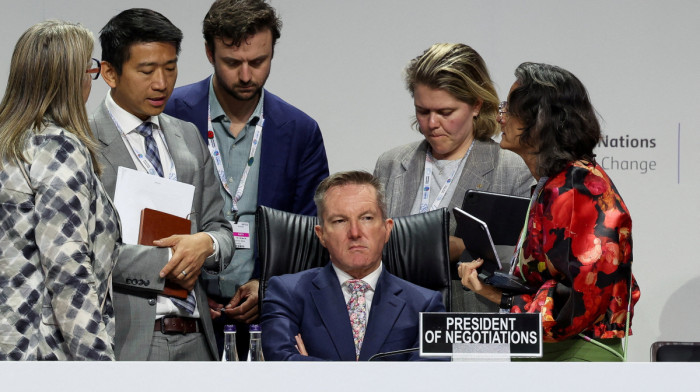
United Nation climate talks fell into in disarray on Sunday (22 November) as COP31 presidents Türkiye and Australia failed to secure a consensus agreement on how to advance the fight against climate change, with the European Union and others rejecting a final draft deal.
Most flights arriving at and departing from Brussels Airport could be cancelled on Monday, 23 November, as air traffic controllers prepare to join a nationwide strike against the Belgian government's austerity measures.
Iranian military officials have warned that U.S. forces cannot guarantee their safety by moving 1,000 or 2,000 kilometres away from Iran, as Tehran says it has implemented directives from Supreme Leader Mojtaba Khamenei to strengthen its missile capabilities.
American investors are considering opportunities in Azerbaijan's Garabagh and East Zangezur regions, where reconstruction, agricultural modernisation and new transport links are creating prospects for international businesses.
Israel and the U.S. have agreed to develop joint military plans for a possible escalation against Iran, according to Israeli broadcaster Channel 13, as tensions raise concerns about renewed conflict in the Middle East.
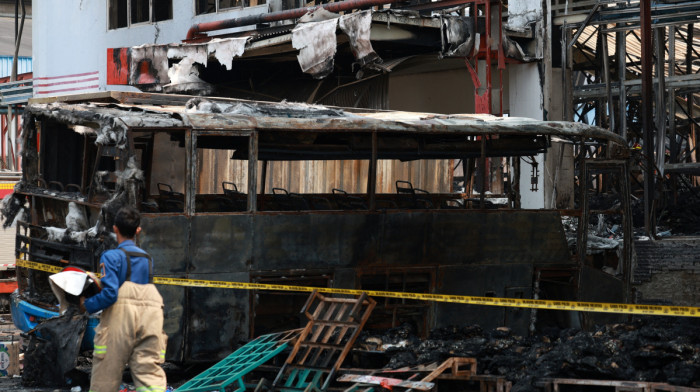
At least 24 people have died in a fire at a confectionery factory in Indonesia, authorities confirmed on Monday, as rescuers searched for around 30 people still missing amid the wreckage.
Australia's opposition called for Climate Change and Energy Minister Chris Bowen to resign on Monday after the COP31 climate summit in Türkiye ended without a political agreement, sparking criticism of the government's spending and handling of negotiations.
Alice Huang, a Chinese businesswoman linked to former Nvidia chief executive Jensen Huang, reportedly maintained contact with a Chinese intelligence officer for more than a year, according to The New York Times.
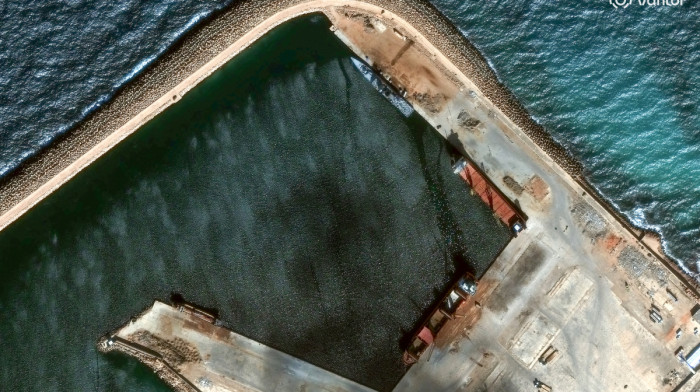
A Russian Navy warship has largely sunk following a suspected drone attack at a naval base in Benghazi, eastern Libya, with 10 Russian and Libyan nationals sustaining minor injuries, according to local authorities and medical sources.
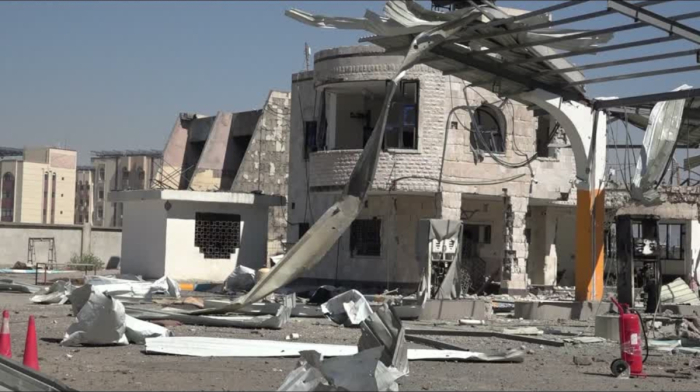
Yemen's Iran-aligned Houthis said on Sunday (22 November) they had targeted Saudi Arabia's Rabigh oil refinery on the Red Sea coast, claiming a direct hit as hostilities between the group and the kingdom continue to escalate.
Download the AnewZ app
You can download the AnewZ application from Play Store and the App Store.












What is your opinion on this topic?
Leave the first comment