Israel's recognition of 1915 events strains ties with Azerbaijan
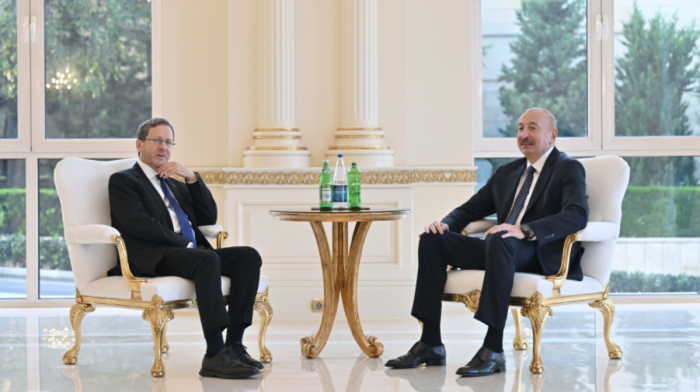
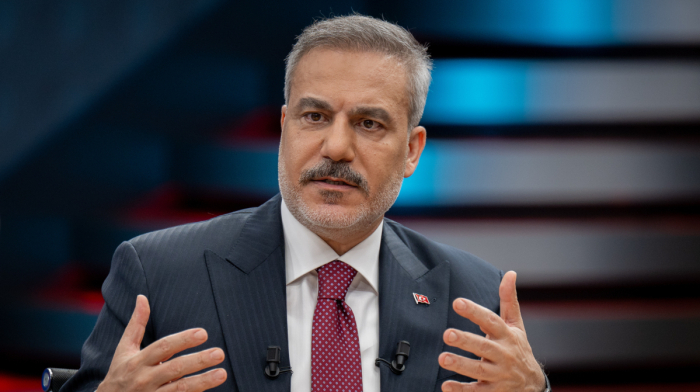
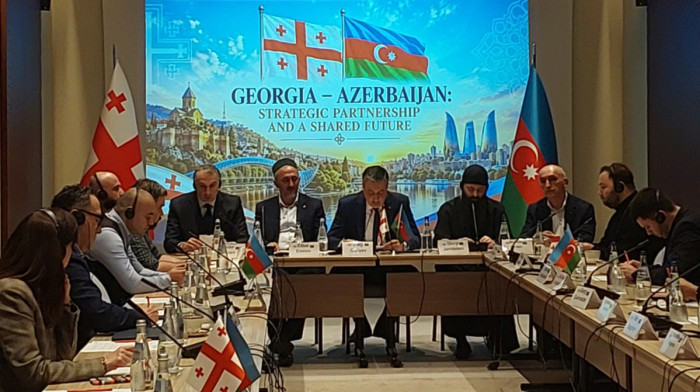
Israel's decision to recognise the so-called Armenian genocide has triggered diplomatic tensions with Azerbaijan, one of its closest strategic partners.
AnewZ's Daybreak on 10 July covered mounting tensions in the Middle East, political developments in the UK, and major stories from the South Caucasus and Central Asia, alongside key international news.
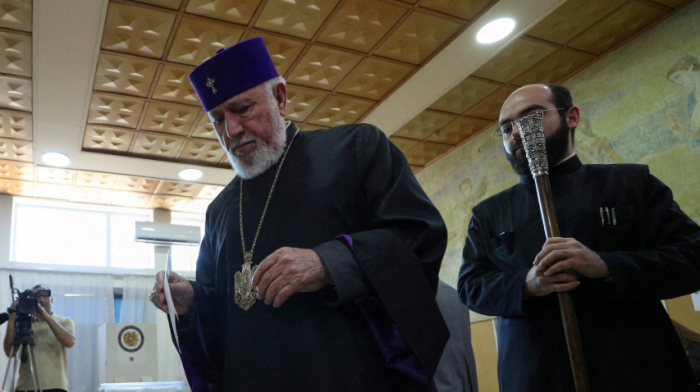
The Washington Agreement between Armenia and Azerbaijan has sparked a mix of hope, doubt, and cautious realism among Armenians.
Known for its rich history and mountain landscapes, Azerbaijan's Gabala district is attracting visitors with another seasonal highlight. Vast lavender fields are becoming a key attraction in the region's growing agritourism sector.
The South Caucasus is increasingly being viewed not only through the lens of past conflicts but also as a strategic bridge linking Europe, the Caspian region and Central Asia. One analyst says this presents an opportunity for a new Euro-Atlantic approach focused on long-term regional cooperation.
The 3 July edition of AnewZ's Daybreak focused on major international developments, from escalating tensions in Ukraine and the Middle East to Europe's evolving security role and growing geopolitical engagement in the South Caucasus.
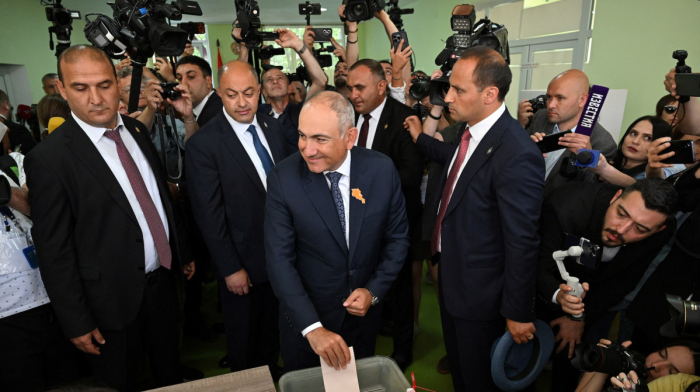
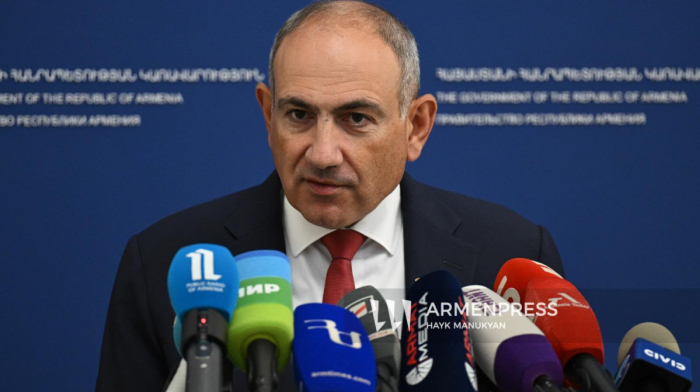
Armenia's Constitutional Court on Saturday dismissed legal challenges from opposition parties seeking to annul last month's parliamentary election results, paving the way for Prime Minister Nikol Pashinyan to continue in office.
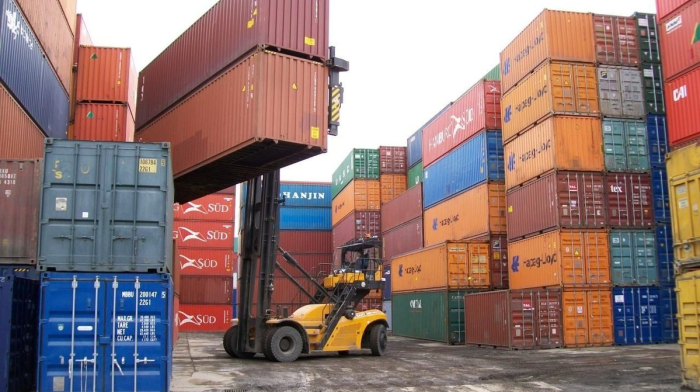
The European Union has announced an additional €18 million ($20.5 million) in economic assistance for Armenia and moved to ease export rules for Armenian goods, as Brussels seeks to strengthen ties with the South Caucasus country amid growing Russian trade pressure.
Another opposition-linked figure has been detained in Armenia following the country's parliamentary elections. Avetik Chalabyan, coordinator of the national-civic movement HayaQve, was taken into custody as part of a criminal investigation.
The European Union is facing a strategic problem. It wants influence beyond its borders, but enlargement has become slower, harder and more politically contested. The South Caucasus may be one of the first places where Europe learns how to manage that contradiction.
Azerbaijan presents a striking paradox. Although rich in oil and gas, it faces serious levels of water stress. Hydrocarbon reserves have allowed the country to provide energy security, build national wealth and export to major markets across Europe.
The Trans-Caspian East-West International Transport Corridor, commonly known as the Middle Corridor, is a multimodal trade route linking China and the European Union via Central Asia, the Caspian Sea, the Caucasus and Türkiye.
Uzbekistan and five partner countries have signed a protocol to further develop the CASCA+ railway corridor, a growing transport route linking Central Asia, the South Caucasus and Türkiye that provides an alternative connection between Asian and European markets.
The global race to develop quantum computing is accelerating, with governments and technology firms investing heavily in what is expected to become a major new computing era.
Armenian Prime Minister Nikol Pashinyan’s expected election victory offers continuity for the country’s peace agenda, but significant political hurdles remain. Analysts say the result strengthens Yerevan’s push towards Europe while setting the stage for further tensions with Russia.
Counting is underway in Armenia's elections. The results of the vote are set to determine the political direction of the country of three million people for the next few years. Prime Minister Nikol Pashinyan is hoping to fend off challenges from several pro-Russia candidates to secure a third term.
Azerbaijan is increasingly positioning itself as a strategic bridge between East and West, using a combination of diplomacy, energy cooperation and regional connectivity to expand its international influence.
Armenia will hold parliamentary elections on 7 June 2026, a vote that will shape the country’s political direction for the next five years. Understanding how the electoral system converts votes into parliamentary power is key to following the outcome and its wider regional implications.
As Armenia heads toward parliamentary elections on 7 June, the country's relationship with Azerbaijan is emerging as one of the defining issues of the campaign, with analysts and international observers highlighting the role of regional politics in shaping voters’ mindsets.
As geopolitical alignments across Eurasia continue to evolve, U.S. engagement in the South Caucasus is once again drawing attention, particularly in relation to Azerbaijan, Armenia, and the broader regional peace process.
As Armenia heads towards its parliamentary elections on 7 June, attention is turning to the South Caucasus peace process and its future direction. Analysts say the vote could influence the region’s shift from post-conflict agreements towards longer-term cooperation and integration.
As Armenia approaches parliamentary elections, Russia appears to be increasing political and economic pressure on Yerevan, signalling that closer integration with the EU could lead to significant changes in labour, transport and energy arrangements between the two countries.
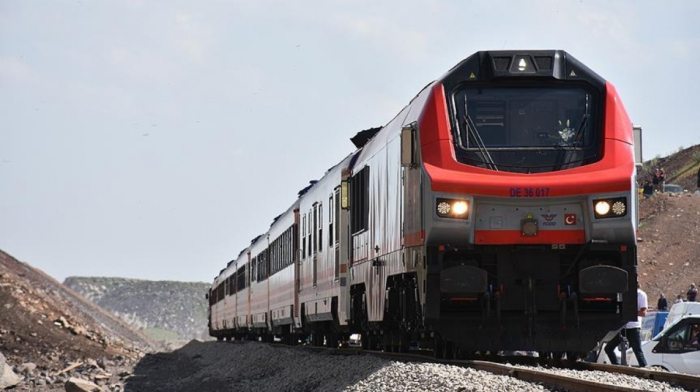
A launch ceremony marking the commissioning of the modernised Baku-Tbilisi-Kars (BTK) railway line was held at Akhalkalaki station in Georgia on 2 June, bringing together senior officials from Azerbaijan, Georgia and Türkiye.
A renewed wave of U.S. diplomatic activity in the South Caucasus highlights Washington’s growing focus on regional connectivity, trade and security, according to Associate Professor George Mchedlishvili of European University in Tbilisi.
You can download the AnewZ application from Play Store and the App Store.