The European Union has announced an additional €18 million ($20.5 million) in economic assistance for Armenia and moved to ease export rules for Armenian goods, as Brussels seeks to strengthen ties with the South Caucasus country amid growing Russian trade pressure.
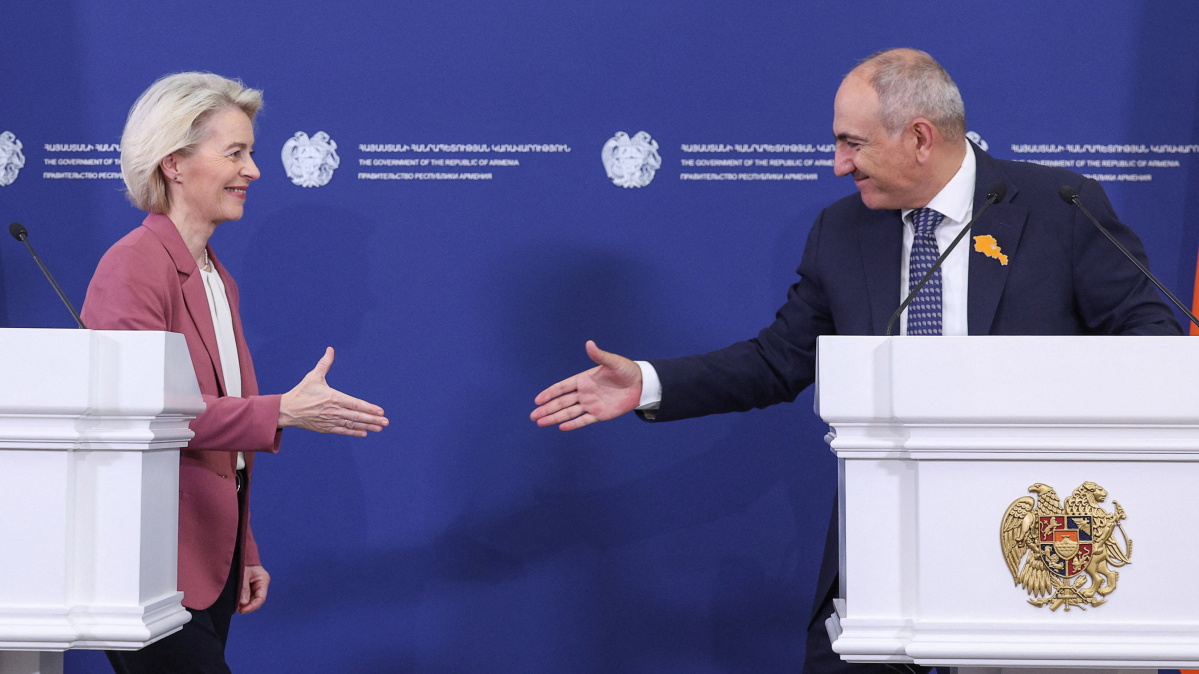
The announcement came during a visit to Yerevan on Thursday by the European Commission President Ursula von der Leyen, who met Armenian Prime Minister Nikol Pashinyan.
The new €18 million disbursement forms part of a broader €52 million ($59.3 million) EU assistance package agreed earlier in June.
Brussels also said it would remove tariffs on nearly 80 per cent of Armenian exports to the EU, significantly improving access to the bloc’s market of around 450 million consumers.
Von der Leyen said the measures are intended to help Armenian businesses reach European markets faster and reduce economic pressure on the country.
“I know Armenia is still facing significant economic pressure from Russia,” she said. “But rest assured: when pressure mounts on our partners, the EU steps up.”
Russian trade restrictions and political tensions
The move comes after Moscow imposed wide-ranging trade restrictions on Armenia ahead of a parliamentary election in June, in which the ruling Civil Contract party secured 49.8% of the vote.
Russian authorities accused Western actors of interference in the election, while also echoing claims from Armenian opposition groups regarding alleged voting irregularities.
The restrictions have affected several of Armenia’s key export sectors, including fresh produce, flowers, fish and alcoholic products.
Armenia remains part of a Russian-led economic bloc, and Russia accounted for roughly 35 per cent of the country’s foreign trade last year, compared with 11 per cent for the European Union.
EU expands regional connectivity plans
The support for Armenia is part of a wider EU strategy to deepen engagement in the South Caucasus, a region where geopolitical competition has intensified.
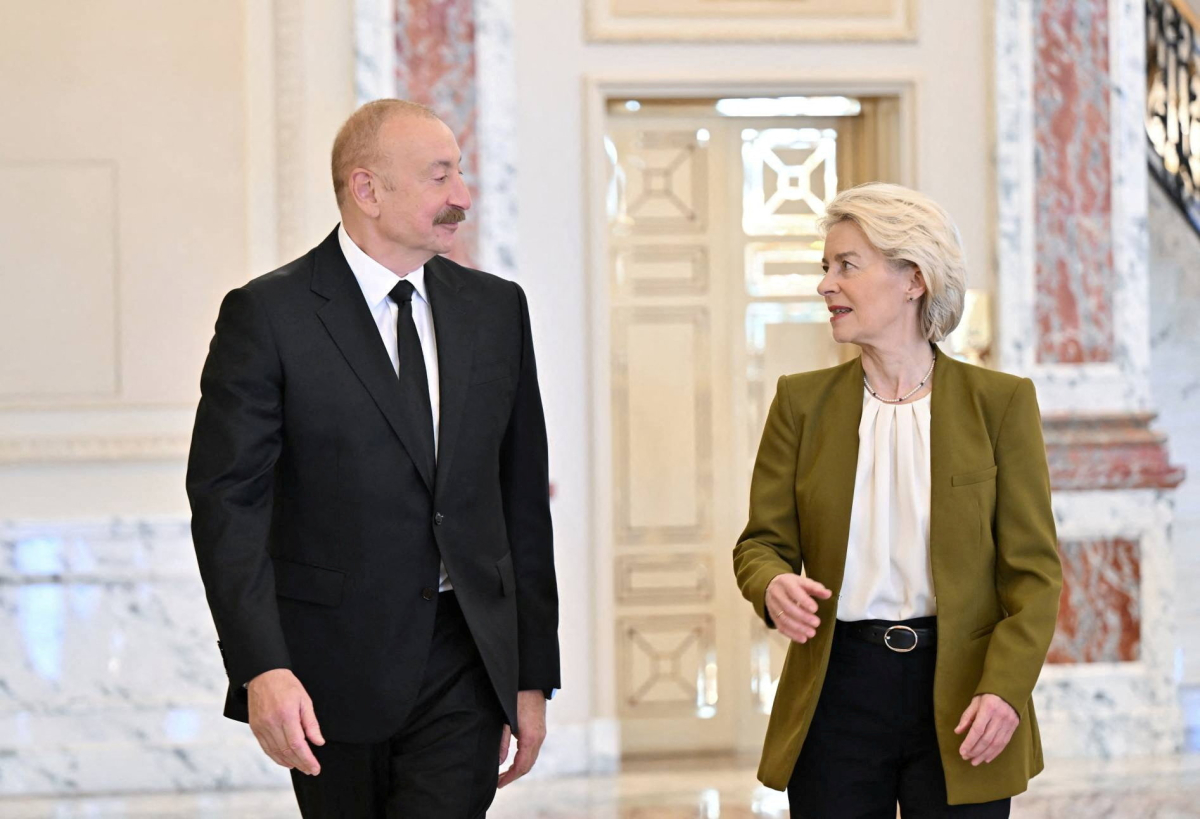
During a separate visit to Baku on Wednesday, von der Leyen announced €200 million ($228.2 million) in EU grant funding aimed at strengthening transport, energy and digital connectivity across the region.
The initiative is intended to support long-term stability and improve relations between Armenia and Azerbaijan following decades of conflict between the two countries.












What is your opinion on this topic?
Leave the first comment