The United Nations refugee agency is planning a settlement and carpet-weaving workshop for Afghan returnees in Kabul as the country grapples with large-scale returns and growing pressure on housing, jobs and basic services.
The plan was discussed on Tuesday between Abdul Rahman Rashid, Professional Deputy Minister of Refugees and Repatriation, and Vanessa Mater Boli, Deputy Representative of the United Nations High Commissioner for Refugees (UNHCR) in Afghanistan.
According to the ministry, the facilities would be built in Kabul’s Pul-e-Charkhi area, where UNHCR has previously provided cash assistance to returnees.
Rashid said the project could provide both support and employment.
“The ministry was ready to cooperate with relevant organisations and work towards resolving existing problems,” he said, according to the ministry’s statement.
UNHCR said preliminary plans had been prepared, but construction would depend on resolving the land issue.
“Construction would begin after the required stages were completed and the issue concerning the land was resolved,” Mater Boli said, according to the statement.
Returns put pressure on services
The announcement comes as Afghanistan continues to face large-scale returns from neighbouring Iran and Pakistan.
UNHCR and the International Organization for Migration (IOM) recorded about 1.02 million returns to Afghanistan in 2026 by 18 July, including about 616,600 from Pakistan and 401,600 from Iran.
IOM has said the scale of returns is putting further strain on already overburdened infrastructure and communities’ capacity to absorb returnees. Many of those returning face difficulties securing housing, livelihoods and basic services.
Abdul Kabir, Minister of Refugees and Repatriation, said on Tuesday that around eight million Afghans had returned from neighbouring countries since the Taliban returned to power in 2021. The figure covers a different timeframe and uses a different methodology from the UN data.
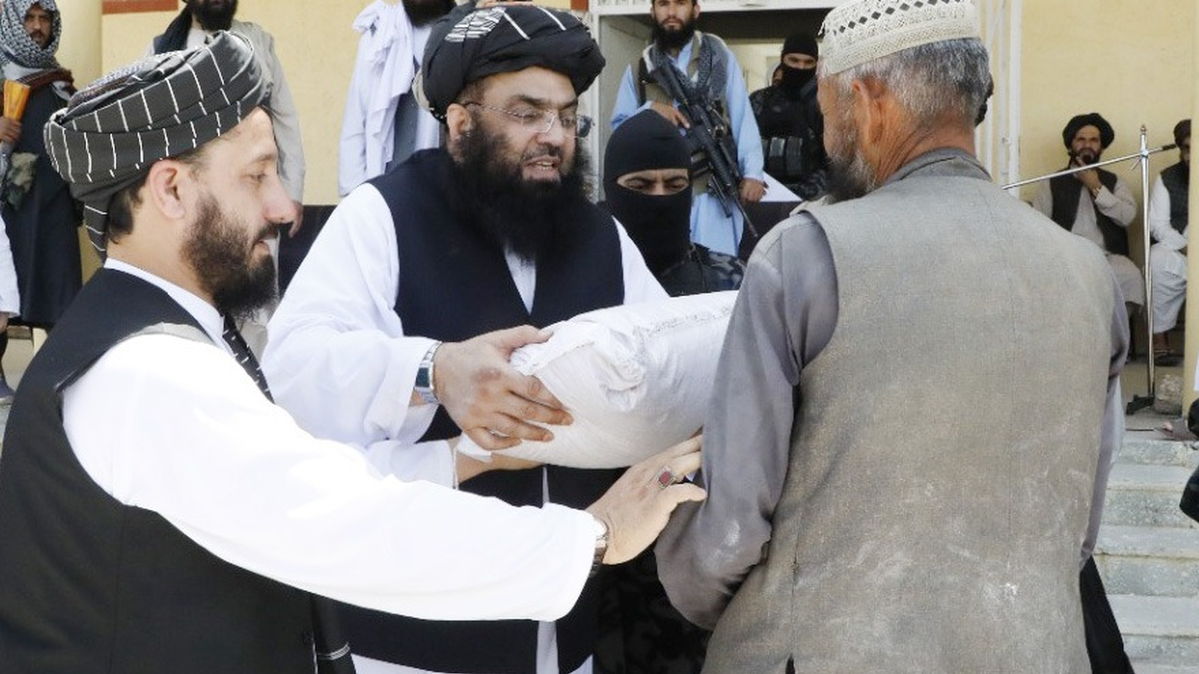
He said residential plots had been distributed to thousands of returnees and that authorities expected people in need to receive land for shelter.
The ministry also said work was under way with aid organisations to provide assistance to a further 26,000 families.













What is your opinion on this topic?
Leave the first comment