Armenia sets out balanced foreign policy priorities with regional peace at its core
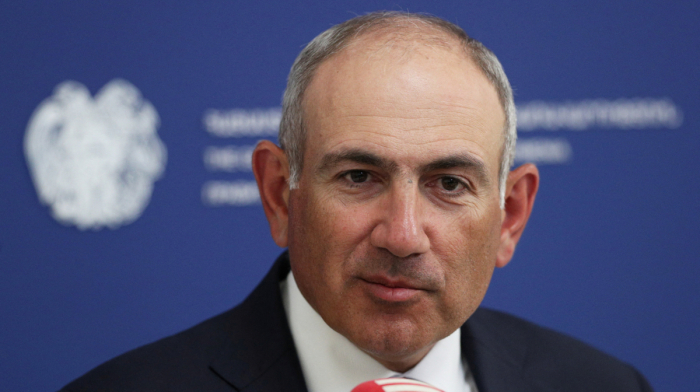
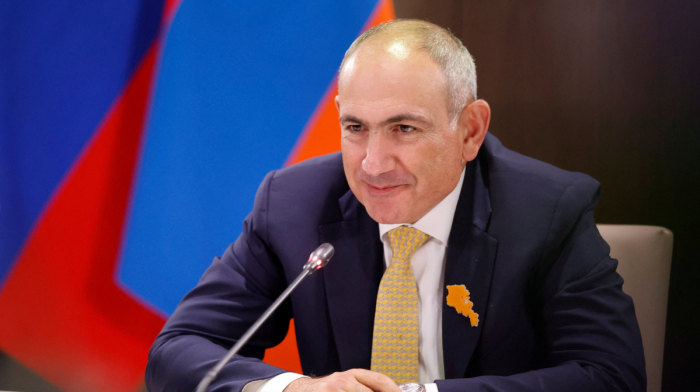
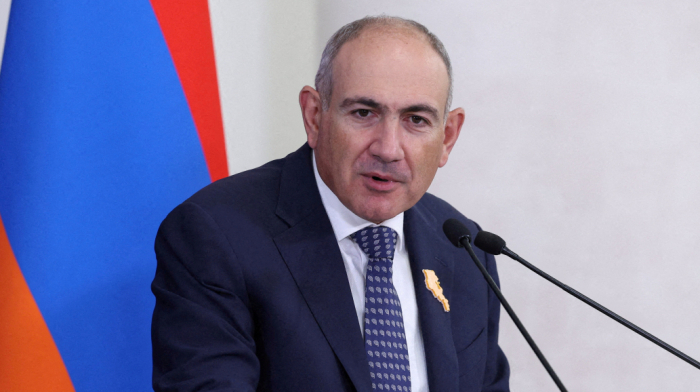
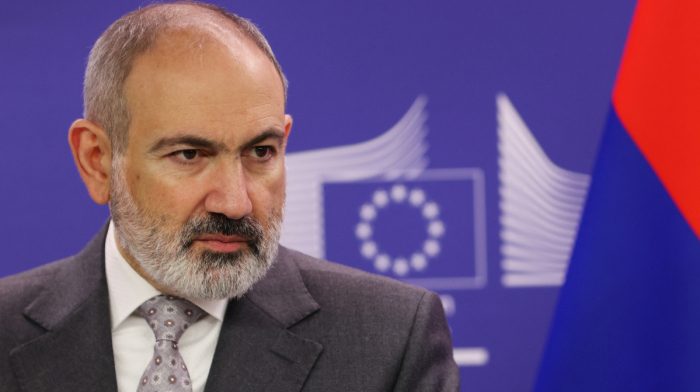
Armenia says it will pursue a balanced foreign policy, deepen regional ties and push to institutionalise peace with Azerbaijan under its new government programme.
Armenia will begin exporting goods to Azerbaijan in the near future, Prime Minister Nikol Pashinyan has said, as the two countries explore opportunities for bilateral trade.
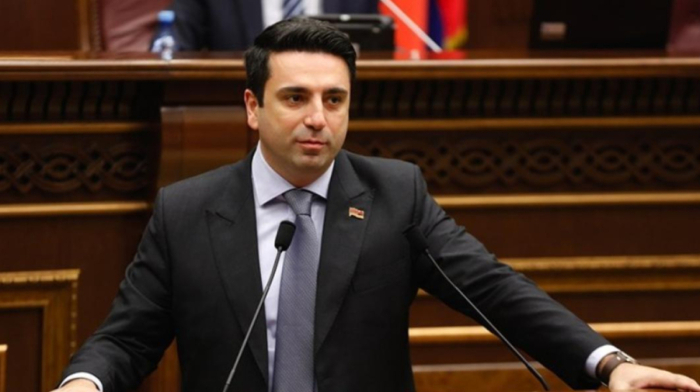
Armenian Prime Minister Nikol Pashinyan has dismissed Security Council Secretary Armen Grigoryan and appointed former parliament speaker Alen Simonyan as his replacement.
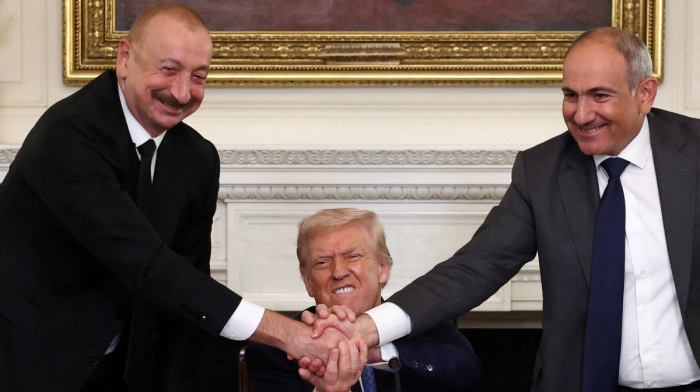
Azerbaijan’s President Ilham Aliyev and Armenia’s Prime Minister Nikol Pashinyan remarked upon progress made towards normalising relations between Baku and Yerevan in a phone call on the first anniversary of the Washington peace summit.
Armenian President Vahagn Khachaturyan has appointed Nikol Pashinyan as prime minister on Sunday by decree after the previous government resigned following the first session of the newly elected National Assembly.
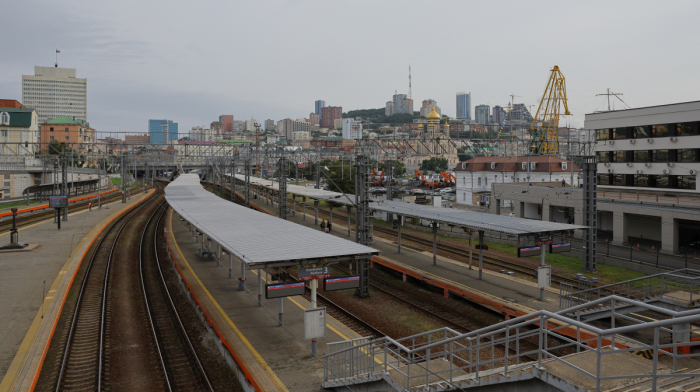
Russia may seek compensation from Armenia if Yerevan changes the terms of the South Caucasus Railway (SCR) agreement without mutual consent, Russian Economic Development Minister Maxim Reshetnikov said.
Armenian Prime Minister Nikol Pashinyan said his government will resign on 2 August after the country’s newly elected parliament convenes, paving the way for the formation of a new cabinet following his party’s election victory.
Armenian Prime Minister Nikol Pashinyan has warned that a failure to quickly resolve restrictions on Armenian exports could mark “the beginning of the end” of the Russia-led Eurasian Economic Union (EAEU).
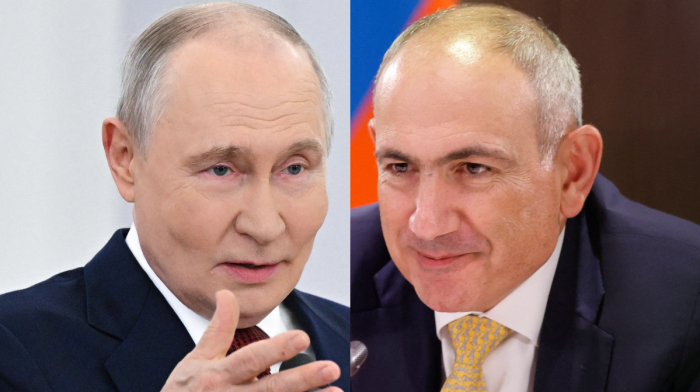
Armenian Prime Minister Nikol Pashinyan has urged Russian President Vladimir Putin to resolve a dispute over trade restrictions imposed by Moscow, Yerevan's government said on Monday.
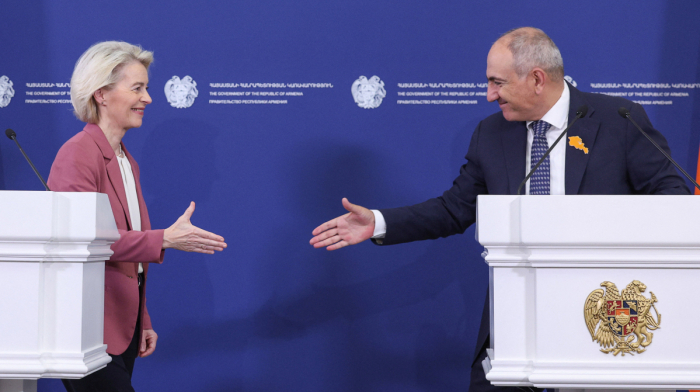
The European Union has announced an additional €18 million ($20.5 million) in economic assistance for Armenia and moved to ease export rules for Armenian goods, as Brussels seeks to strengthen ties with the South Caucasus country amid growing Russian trade pressure.
Another opposition-linked figure has been detained in Armenia following the country's parliamentary elections. Avetik Chalabyan, coordinator of the national-civic movement HayaQve, was taken into custody as part of a criminal investigation.
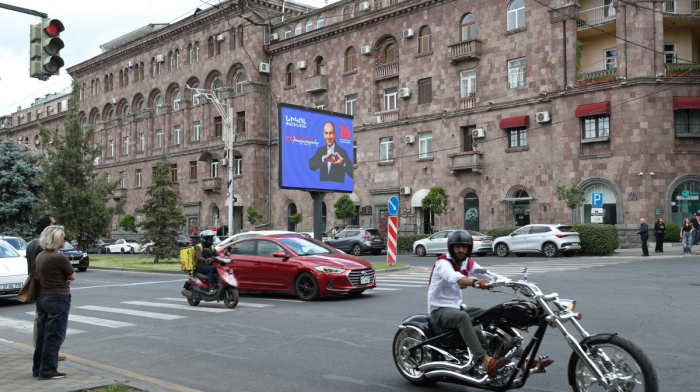
Armenia’s parliamentary election has strengthened Prime Minister Nikol Pashinyan’s mandate, with analysts linking the result to his post-Garabagh agenda and pro-Western direction. However, constitutional constraints remain a key obstacle to peace efforts with Azerbaijan.
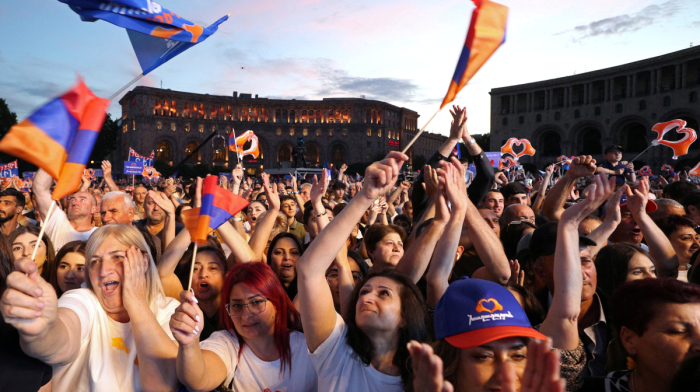
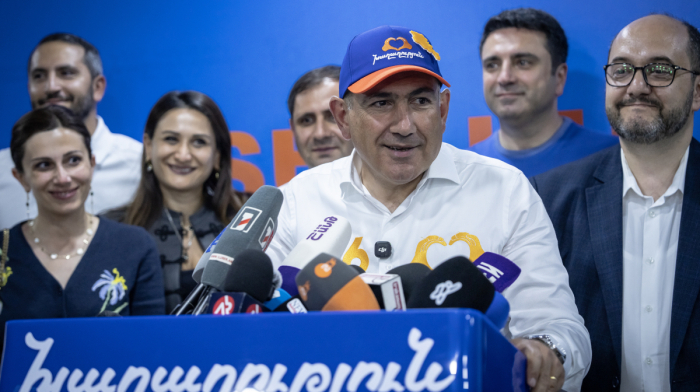
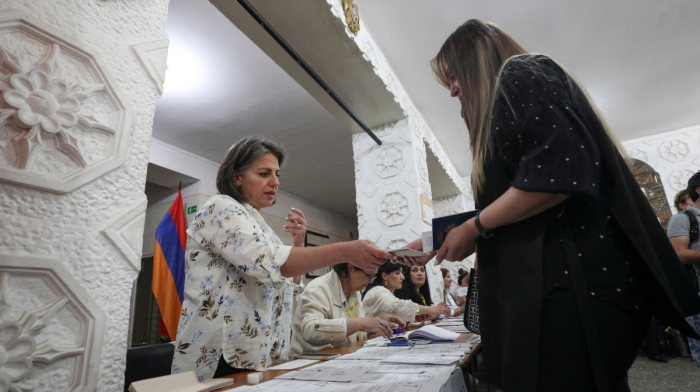
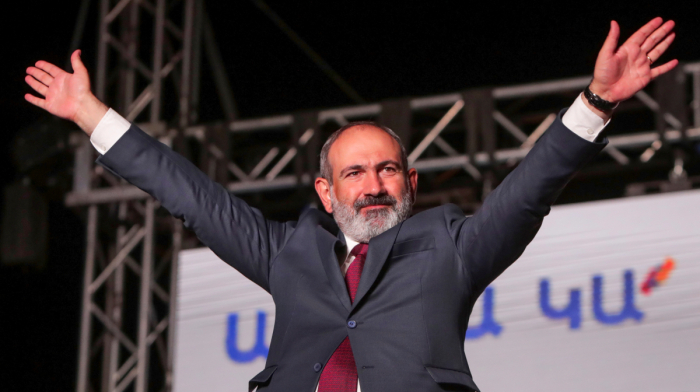
Armenian Prime Minister Nikol Pashinyan's Civil Contract party has won the Armenian elections, picking up nearly half the vote. With a majority in parliament, Pashinyan is set for a third term as Prime Minister. But an opposition politican has said he will challenge the election results.
Armenian Prime Minister Nikol Pashinyan’s expected election victory offers continuity for the country’s peace agenda, but significant political hurdles remain. Analysts say the result strengthens Yerevan’s push towards Europe while setting the stage for further tensions with Russia.
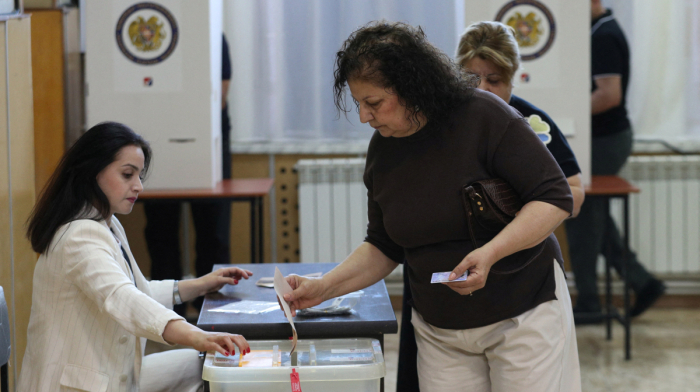
Counting is underway in Armenia's elections. The results of the vote are set to determine the political direction of the country of three million people for the next few years. Prime Minister Nikol Pashinyan is hoping to fend off challenges from several pro-Russia candidates to secure a third term.
After the dissolution of the Soviet Union in 1991, newly independent Armenia emerged with the promise of democracy. But in the years that followed, conflicts and political assassinations sidetracked politics in the country, until a 2018 revolution restored momentum to the promise.
Armenia’s National Assembly election on 7 June is increasingly being viewed not only as a domestic political contest, but also as a vote that could shape the future direction of the South Caucasus.
As Armenia approaches parliamentary elections, Russia appears to be increasing political and economic pressure on Yerevan, signalling that closer integration with the EU could lead to significant changes in labour, transport and energy arrangements between the two countries.
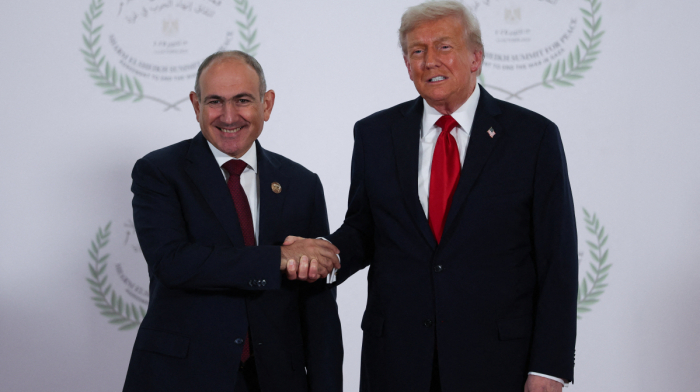
U.S. President Donald Trump has publicly endorsed Armenian Prime Minister Nikol Pashinyan ahead of Armenia’s parliamentary elections on 7 June, backing the leader as the country moves closer to the West and further away from Russia.
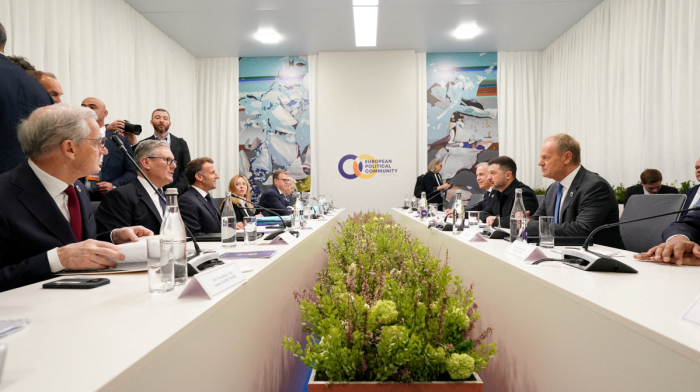
European leaders gathered in Yerevan on 4–5 May for the European Political Community (EPC) summit and the first EU–Armenia summit, placing the South Caucasus and its fragile peace process at the centre of regional diplomacy.
At a time when geopolitical tensions continue to ripple across multiple regions, from Ukraine to the Middle East, the South Caucasus once again finds itself at the crossroads of diplomacy and uncertainty.
A European Parliament resolution on Armenia is stirring debate beyond Brussels, with its wording raising concerns in Azerbaijan as peace talks gather momentum.
Three Armenian citizens have been charged following an alleged attempt to attack Prime Minister Nikol Pashinyan at St Anna Cathedral in Yerevan on 29 March. Analysts say the incident reflects rising tensions between the government and the Church ahead of upcoming elections.
The European Union will send a team to Armenia to counter democratic threats ahead of its parliamentary elections in June.
You can download the AnewZ application from Play Store and the App Store.