Uzbekistan plans joint customs checks with Kazakhstan and Kyrgyzstan
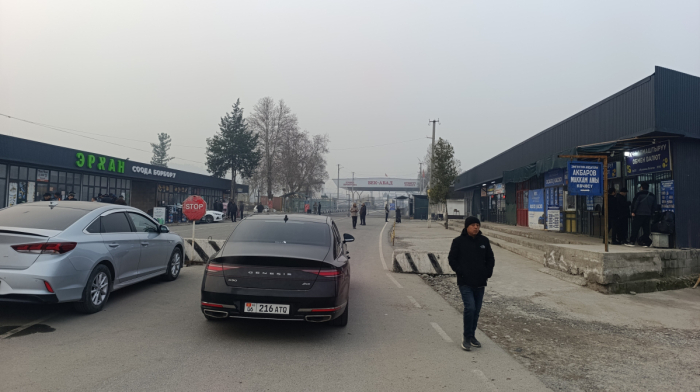
Uzbekistan is in talks with Kazakhstan and Kyrgyzstan over a joint customs system aimed at cutting border delays and speeding up freight transport....
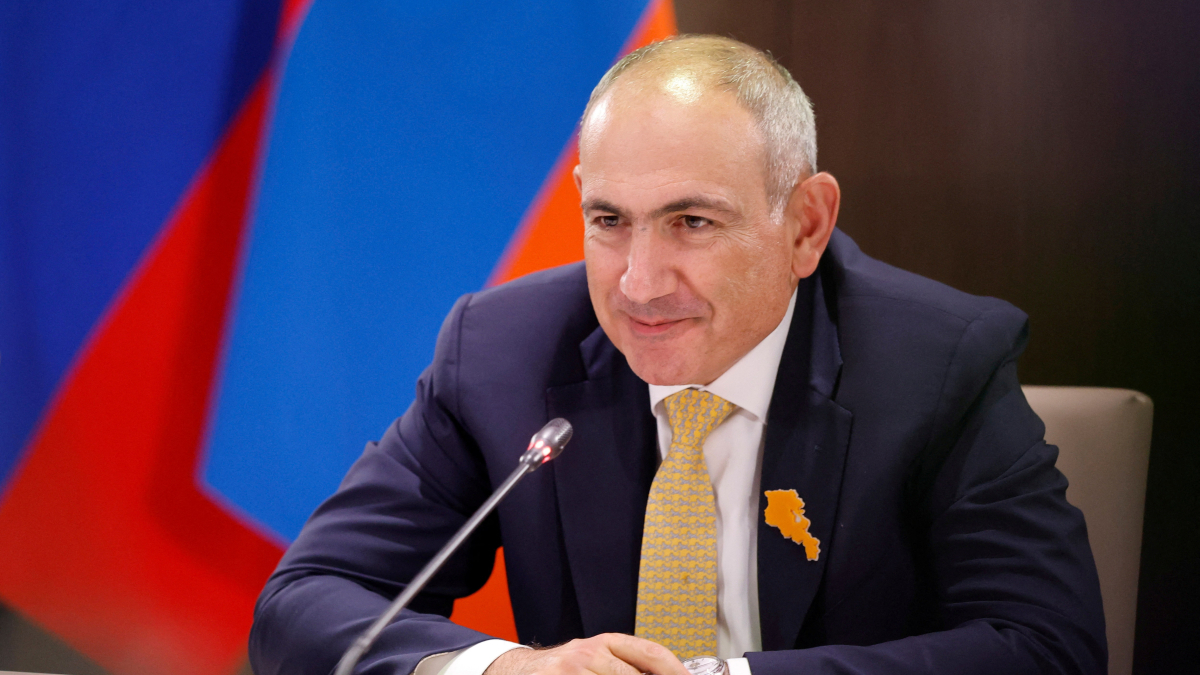
A peace treaty between Azerbaijan and Armenia could be signed in 2027 or 2028, Armenian Prime Minister Nikol Pashinyan said on Thursday, state news agency Armenpress reported.
“We need to continue working with Azerbaijan,” Pashinyan said at a press briefing when asked about the agreement.
He added that he had previously expected a peace agreement with Azerbaijan to be signed by 2031, but now believed it should be signed sooner.
Azerbaijan’s President Ilham Aliyev and Pashinyan initialed an agreement and, along with U.S. President Donald Trump, signed a joint declaration at a summit in the White House, aiming to end decades of conflict in August 2025. The agreement committed both sides to cease hostilities, reopen transport routes and normalise relations.
Baku has said that Yerevan must drop territorial claims against Azerbaijan in the Armenian Constitution before any peace treaty is signed.
“After territorial claims against Azerbaijan are fully ended, we will be ready to sign the peace agreement,” Hikmet Hajiyev, Assistant to the President of Azerbaijan told the Turkish media outlet Haber Global in April.
Pashinyan has said he hasn’t ruled out holding snap parliamentary elections to adopt a new constitution, and that they will publish a draft of the new document “in the near future,” launch discussions, and submit it to parliament.
“We will try to persuade our opposition colleagues that this is a very important and fundamental issue, one that concerns determining and resolving the question of the continuity of the Armenian state. We will try to persuade them. If that does not work, we will pursue other scenarios, including holding snap elections,” he said.
Pashinyan added that the implementation of the Trump Route for International Peace and Prosperity (TRIPP), a transit corridor project linking Azerbaijan with its Nakhchivan exclave through southern Armenia, is also important.
“Of course, one has nothing to do with the other, but we are now beginning to implement the TRIPP project,” Pashinyan said.
Armenian officials visited the southern Syunik region to advance plans for a U.S.-backed transit route on Wednesday.
Saudi Arabia said it intercepted two Houthi ballistic missiles targeting Riyadh and three drones in its oil-rich Eastern Province on Sunday (15 November), as Iran's Revolutionary Guards claimed separate attacks on a U.S. military facility in Bahrain.
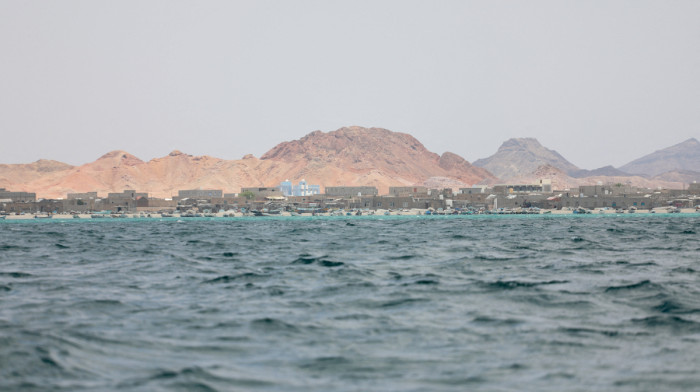
Yemeni forces fighting for the internationally recognised Saudi-backed government said on Sunday that they were withdrawing from an area overlooking the strategic Bab el-Mandeb Strait, leaving the Iran-aligned Houthis in control.
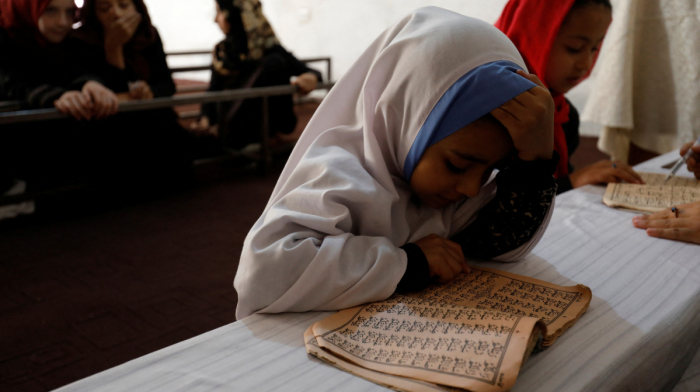
Afghanistan’s Ministry of Education has challenged a United Nations report on access to education, saying its findings do not reflect the full picture of the country’s education system.
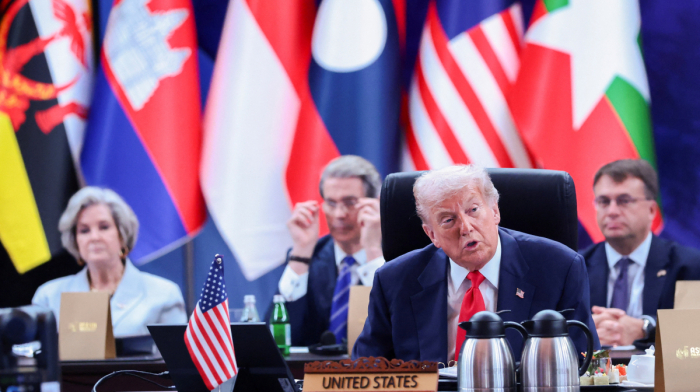
U.S. President Donald Trump is expected to arrive in Manila on Tuesday, 17 November, for a special summit with Southeast Asian leaders, as Washington seeks to strengthen regional economic and security ties amid trade tensions and growing competition with China.
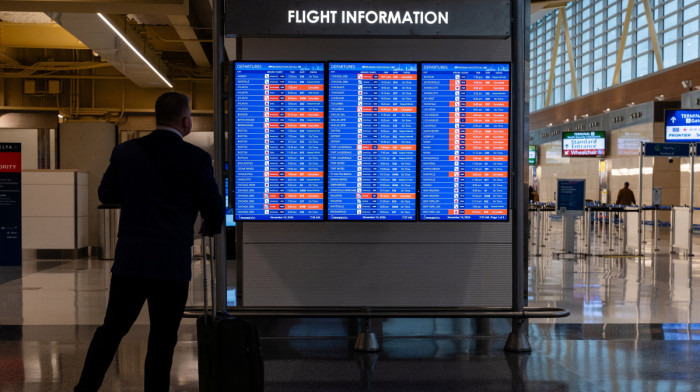
U.S. air travel is not expected to return to normal schedules until late on Sunday (15 November), the head of the FAA said, as the aviation system gradually recovers from a nationwide flight shutdown that officials blamed on routine maintenance gone awry.
Uzbekistan is in talks with Kazakhstan and Kyrgyzstan over a joint customs system aimed at cutting border delays and speeding up freight transport. The proposed ‘One Stop’ system would eliminate duplicate inspections and simplify procedures at selected crossings.
Bahrain has sentenced dozens of people, most of them Shia Muslim clerics, to life in prison over an alleged plot involving Iran’s Revolutionary Guards to overthrow the government, as rights groups raise concerns about torture and coerced confessions.
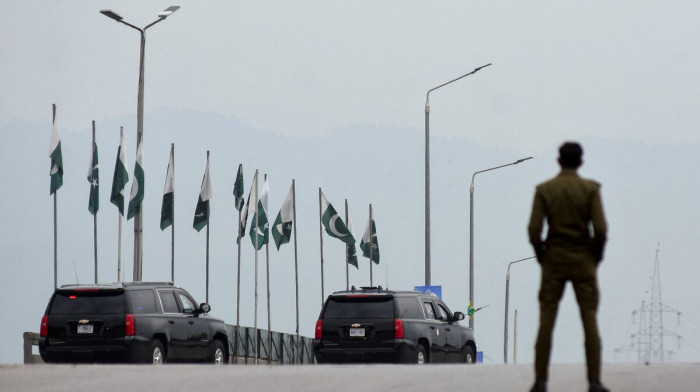
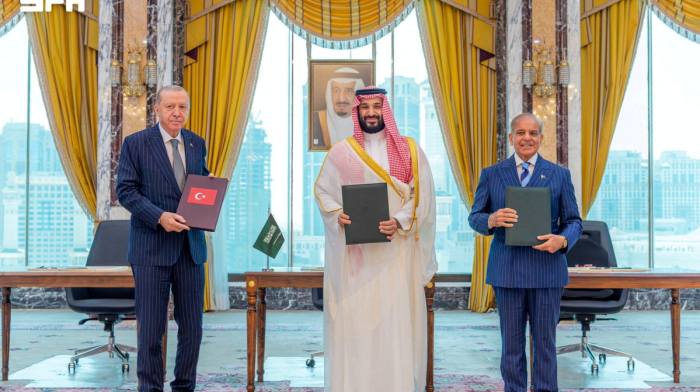
Türkiye has brought a trilateral defence pact with Pakistan and Saudi Arabia into force and signed a separate agreement with Qatar, as Ankara moves to strengthen its regional security partnerships.
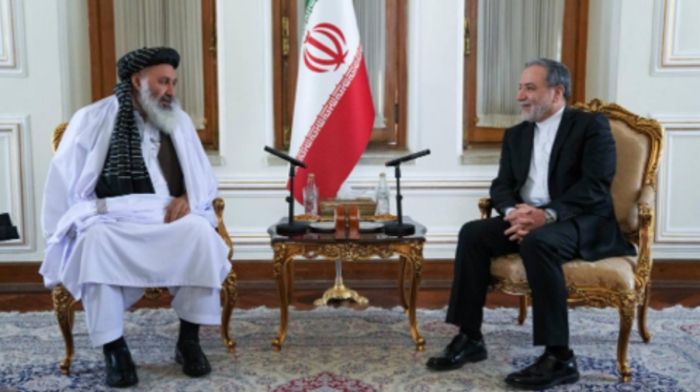
Afghanistan and Iran agreed to expand border facilities and operate customs around the clock during talks in Tehran on Sunday (15 November) between Afghan Finance Minister Mohammad Nasir Akhund and Iranian Foreign Minister Abbas Araghchi, as both countries seek to increase trade.
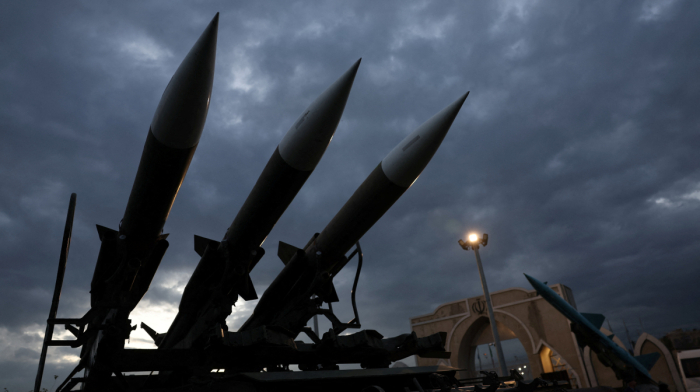
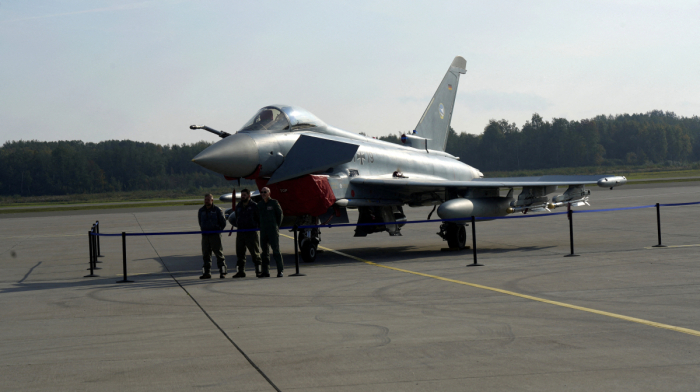
Gulf air defences have intercepted thousands of missiles and drones, but dwindling interceptor stocks are raising questions about how long that protection can last. New military agreements and closer regional cooperation could help, but significant gaps remain.
You can download the AnewZ application from Play Store and the App Store.
What is your opinion on this topic?
Leave the first comment